Free color analysis: find your season
Ten quick questions, then a mirror test with your own selfie that never leaves your phone. You get your season out of 12, the colours that light you up and a palette card to keep.

The color analysis quiz
Answer in daylight, without makeup if you can. Pick what is true most of the time; if you are unsure, choose the middle answer.
The drape mirror
Colour consultants hold fabric under your chin and watch what it does to your skin. This does the same with a selfie.
Your photo stays on this device. It is never uploaded, saved or sent anywhere, and it is gone when you close the page.
How to read it
- Take the photo by a window in daylight, facing the light, with no filter, hair pulled back and little or no makeup.
- Look at your skin, not the colour. The right side makes skin look smoother and more even, softens shadows under the eyes and makes your eyes look brighter.
- The wrong side makes skin look grey, yellow or red, deepens lines and shadows, or arrives in the room before you do.
- Trust the first glance. Switch between tests quickly; staring too long makes every colour look fine.
Phone cameras and screens shift colour, so treat this as a second opinion next to the quiz, not a verdict.
Save your palette card
Your season's colours on one phone-sized card, to keep in your camera roll for shopping, or to share.
A 1080 by 1350 image, the size of a portrait phone post. It is drawn on your screen; nothing is uploaded.
All 12 color palettes
Each season is a mix of three things: warm or cool, light or deep, bright or soft. Open yours for the full palette, the colours to skip, and makeup, hair and nail shades.
Spring warm, clear and light to medium
Summer cool, soft and light to medium
Autumn warm, soft and medium to deep
Winter cool, clear and medium to deep
How seasonal color analysis works
Every colour can be described by three qualities, and seasonal color analysis matches each one to your natural colouring: your skin, hair and eyes together.
Hue: warm or cool
Whether a colour leans yellow (warm) or blue (cool). It matches your undertone, the colour beneath your skin.
Value: light or deep
How light or dark a colour is. It matches the overall depth of your hair, skin and eyes.
Chroma: bright or soft
How pure or greyed a colour is. It matches how clear or blended your features look.
The four classic seasons each combine two of these: Spring is warm and clear, Summer cool and soft, Autumn warm and soft, Winter cool and clear. The 12-season system splits each one into three, named after the quality that matters most. A Light Spring is light first and warm second; a Soft Autumn is soft first, then warm; a Deep Winter is deep first, then cool. That is why a Soft Autumn can wear a muted cool sage that a True Autumn cannot.
| Season | Also called | Strongest trait | Hue | Value | Chroma |
|---|---|---|---|---|---|
| Light Spring | – | Light | Warm-leaning neutral | Light | Clear |
| True Spring | Warm Spring | Warm | Warm | Light to medium | Clear to bright |
| Bright Spring | Clear Spring | Bright | Warm-leaning neutral | Medium | Bright |
| Light Summer | – | Light | Cool-leaning neutral | Light | Soft |
| True Summer | Cool Summer | Cool | Cool | Light to medium | Soft to medium |
| Soft Summer | – | Soft | Cool-leaning neutral | Medium | Soft |
| Soft Autumn | – | Soft | Warm-leaning neutral | Medium | Soft |
| True Autumn | Warm Autumn | Warm | Warm | Medium | Soft to medium |
| Deep Autumn | Dark Autumn | Deep | Warm-leaning neutral | Deep | Rich (medium) |
| Deep Winter | Dark Winter | Deep | Cool-leaning neutral | Deep | Medium to bright |
| True Winter | Cool Winter | Cool | Cool | Medium to deep | Bright |
| Bright Winter | Clear Winter | Bright | Cool-leaning neutral | Medium to deep | Bright |
How to find your undertone
Undertone decides warm or cool, the first split in color analysis. No single test is perfect, so use three or four together.
The vein test
In daylight, look at the veins on your inner wrist. Greenish suggests warm, blue or purple suggests cool, a mix suggests neutral. It is harder to read on deep skin, so do not rely on it alone.
The jewellery test
Hold a gold piece and a silver piece against your bare skin. If gold makes your skin glow, you likely lean warm; if silver looks cleaner, cool. If both look good, you may be neutral.
The white test
Hold a pure white and a cream fabric under your chin. Pure white flatters cool and clear colouring; cream flatters warm and soft colouring.
The sun test
Skin that tans golden and rarely burns usually leans warm. Skin that burns pink first often leans cool. This is a hint, not proof: sun reaction also depends on how much melanin you have.
The drape test
The most reliable home test: compare a warm and a cool version of the same colour, such as coral and fuchsia, next to your face. The drape mirror above does this with a selfie.
Undertone also decides your foundation, and that is a separate job from your season: our guide to foundation shade matching explains how to match it.
Is color analysis real?
Partly. The effect it uses is real: a colour next to your skin changes how your skin looks. Artists have described this since the 1800s as simultaneous contrast, and anyone who has worn a colour that made them look ill has seen it. A shade that echoes your colouring tends to make skin look even; one that fights it can show up redness, shadows and dullness.
What has no scientific proof is the idea that everyone fits exactly one of 12 fixed boxes. The seasons are a practical sorting system from the fashion industry, refined over decades, not a law of nature. Consultants disagree at the edges, and many people sit between two seasons.
So use it as a tool. Your season is a short list of colours that are very likely to work near your face, which makes shopping faster and a small wardrobe easier to combine. It is not a list of what you are allowed to wear.
Turn your colours into outfits and nails
The Wear-Again Edit
Fourteen outfit formulas built on a small set of neutrals, with a workbook and an outfit app. Choose those neutrals from your season and every formula is already in your colours.
See the Wear-Again EditThe At-Home Gel Edit
A salon-length gel manicure at home: prep, application, curing and ten fixes, with a journal and the Gel Studio app. Your nail colours are on your season's page.
See the At-Home Gel EditGuides that go with your palette
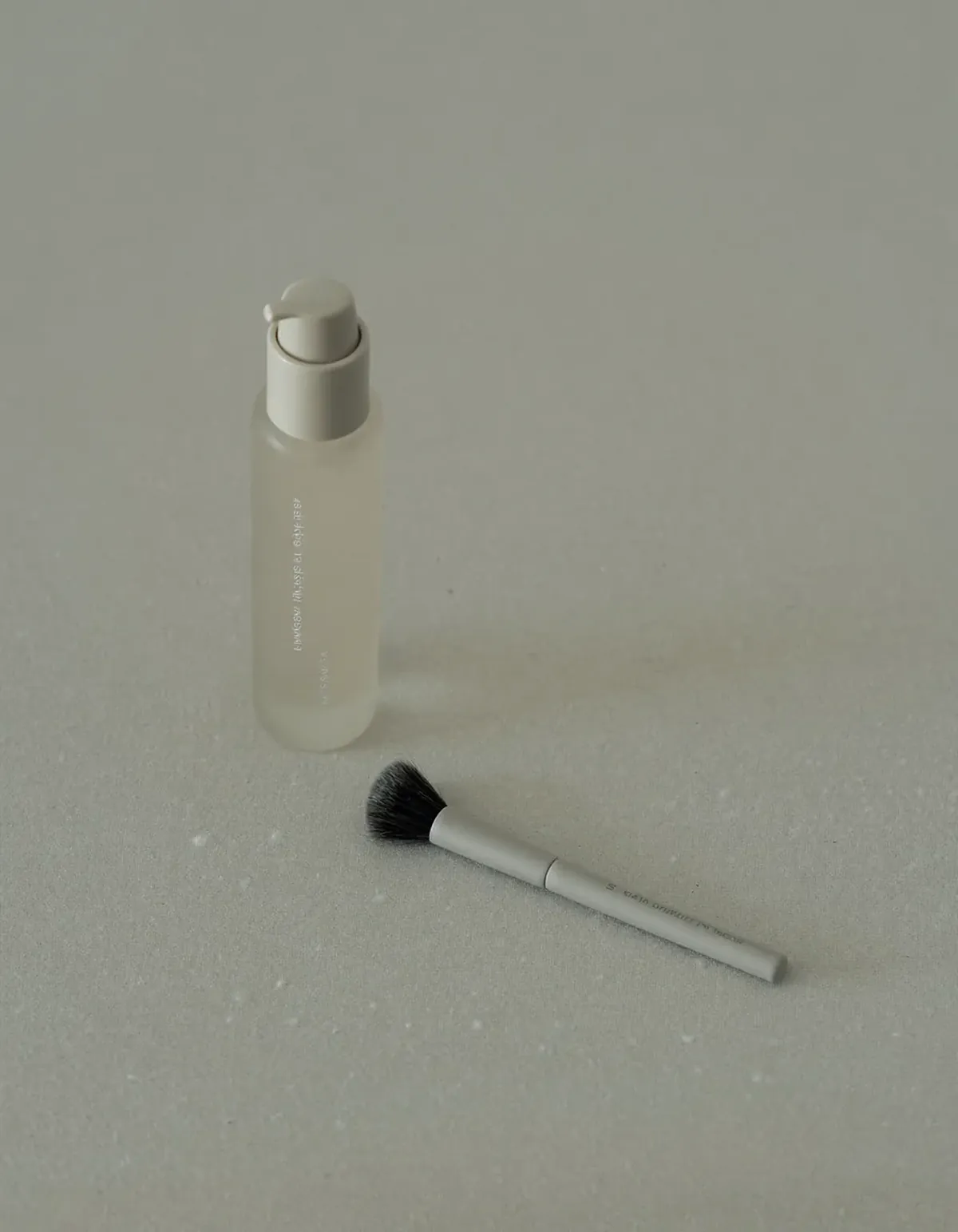 Skin undertone: how to find yours, and how to match foundation to it
Skin undertone decides whether foundation looks like skin. Cool, warm, neutral or olive, four tests to find yours, and how to match foundation to it.
Read this one
Skin undertone: how to find yours, and how to match foundation to it
Skin undertone decides whether foundation looks like skin. Cool, warm, neutral or olive, four tests to find yours, and how to match foundation to it.
Read this one
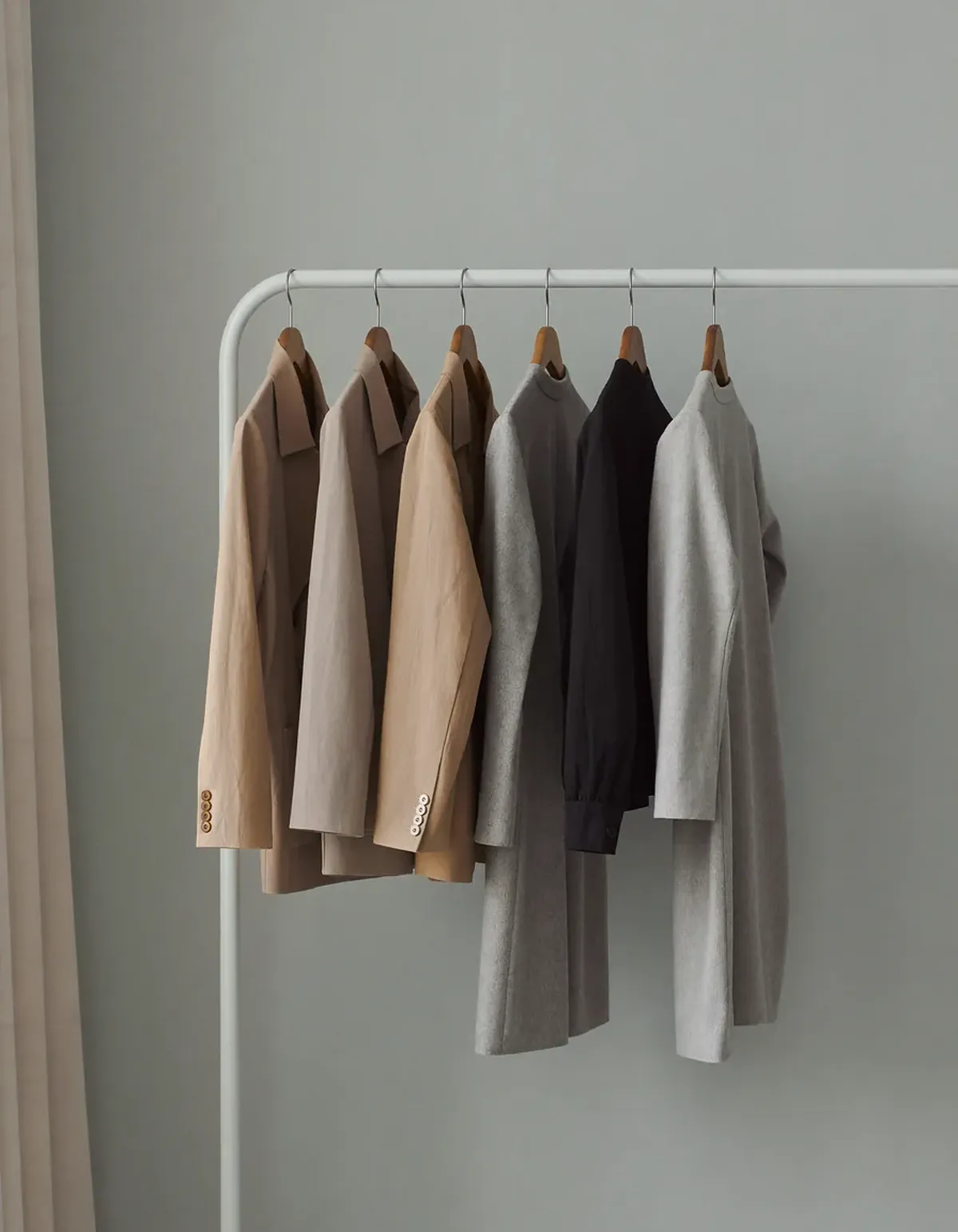 A capsule wardrobe that actually works, not the Pinterest version
Why most capsule wardrobe guides fail within a season, and the smaller, duller method that actually holds up to a real working week.
Read this one
A capsule wardrobe that actually works, not the Pinterest version
Why most capsule wardrobe guides fail within a season, and the smaller, duller method that actually holds up to a real working week.
Read this one
 Outfits for women: simple formulas that always work
Outfits for women, decided once. Twelve outfit formulas built from roles, not garments, plus the colour rules and checks that make each one survive a real day.
Read this one
Outfits for women: simple formulas that always work
Outfits for women, decided once. Twelve outfit formulas built from roles, not garments, plus the colour rules and checks that make each one survive a real day.
Read this one
 14k vs 18k gold: which is actually right for everyday jewelry
The real difference between 14k and 18k gold, why higher karat isn't always better for jewelry you never take off, and which to buy for what.
Read this one
14k vs 18k gold: which is actually right for everyday jewelry
The real difference between 14k and 18k gold, why higher karat isn't always better for jewelry you never take off, and which to buy for what.
Read this one
Color analysis FAQ
What is seasonal color analysis?
A way of finding the colours that flatter your natural colouring. It sorts colours by three qualities, warm or cool, light or deep, and bright or soft, and groups them into 12 seasons. Your season is the group that makes your skin look clearest and your eyes brightest.
How do I find my color season?
Start with the quiz above, then check the result in the drape mirror with a daylight selfie. If two seasons seem close, compare their palettes next to your face in natural light. An in-person draping with a trained consultant is the most reliable way to confirm it.
What are the 12 color seasons?
Light Spring, True (Warm) Spring, Bright (Clear) Spring, Light Summer, True (Cool) Summer, Soft Summer, Soft Autumn, True (Warm) Autumn, Deep (Dark) Autumn, Deep (Dark) Winter, True (Cool) Winter and Bright (Clear) Winter.
Is an online color analysis quiz accurate?
It is a good starting point, not a final answer. Cameras, screens and indoor light all shift colour, and a quiz relies on how you see yourself. Use the result to narrow it down to one or two seasons, then test those palettes in daylight.
Is virtual color analysis accurate?
It can be close, but phone cameras adjust white balance and skin tone automatically, so the same face can look warm in one photo and cool in another. Take photos by a window in daylight, without filters, and compare several before deciding.
Can your color season change?
Your undertone stays the same, but your colouring can soften with age as hair greys and contrast drops, so some people move to a softer or lighter neighbour. Dyed hair changes how a palette looks on you, too.
What is the difference between skin tone and undertone?
Skin tone is how light or deep your skin is. Undertone is the colour beneath it: warm (golden, peachy), cool (pink, rosy, bluish) or neutral. Two people with the same skin tone can have different undertones and different seasons.
Do I have to stop wearing colours outside my palette?
No. The palette matters most near your face: tops, scarves, collars, glasses frames and makeup. Further from the face, such as trousers, skirts, shoes and bags, any colour you love works.
What color season is best for dark skin?
Deep skin can belong to any season, because seasons depend on undertone, contrast and clarity, not depth alone. Consultants most often place deep skin in Deep Winter, Deep Autumn, True Winter or Bright Winter, but a draping is the way to know.

One quiet letter a month.
New guides and tools when they are ready, and nothing in between.
What would you love more of?
What do you most want to get right?
What would help you most?
Your picks are ready.
Where should we send them?
No daily sends. Unsubscribe in one click.