The shoulder seam
This is where cheap tailoring gives itself away. The seam should sit on the corner of your shoulder and stay there. If it slides down your arm in the shop, it will collapse entirely after a season.
Quiet luxury isn't a price bracket — it's a handful of small things you can check yourself in thirty seconds, in any shop, at any price. Here's what we look for, so you never have to take a label's word for it again.

No expertise needed. Just your hands and about thirty seconds.
This is where cheap tailoring gives itself away. The seam should sit on the corner of your shoulder and stay there. If it slides down your arm in the shop, it will collapse entirely after a season.
Hold the piece up by one shoulder. Well-cut cloth falls straight down; poorly cut cloth twists, because it was cut off-grain to save fabric. It never hangs right, and no tailor can fix it.
Turn it out. Seam allowances should be generous enough to let out, edges finished rather than raw, and the lining stitched in — not glued. The inside is where a brand tells you what it really thinks of you.
It won us over on the shoulder line — the hardest thing in tailoring to fake.
If you only buy one thing from the three checks above, make it outerwear. The shoulder line is the hardest thing in tailoring to fake, and it is the first thing anyone reads on you. Janet Howard is the one brand here that gets it right at a price that is not silly.
We earn a commission if you buy through our links — and we buy everything we write about, at full price. That is the whole deal.
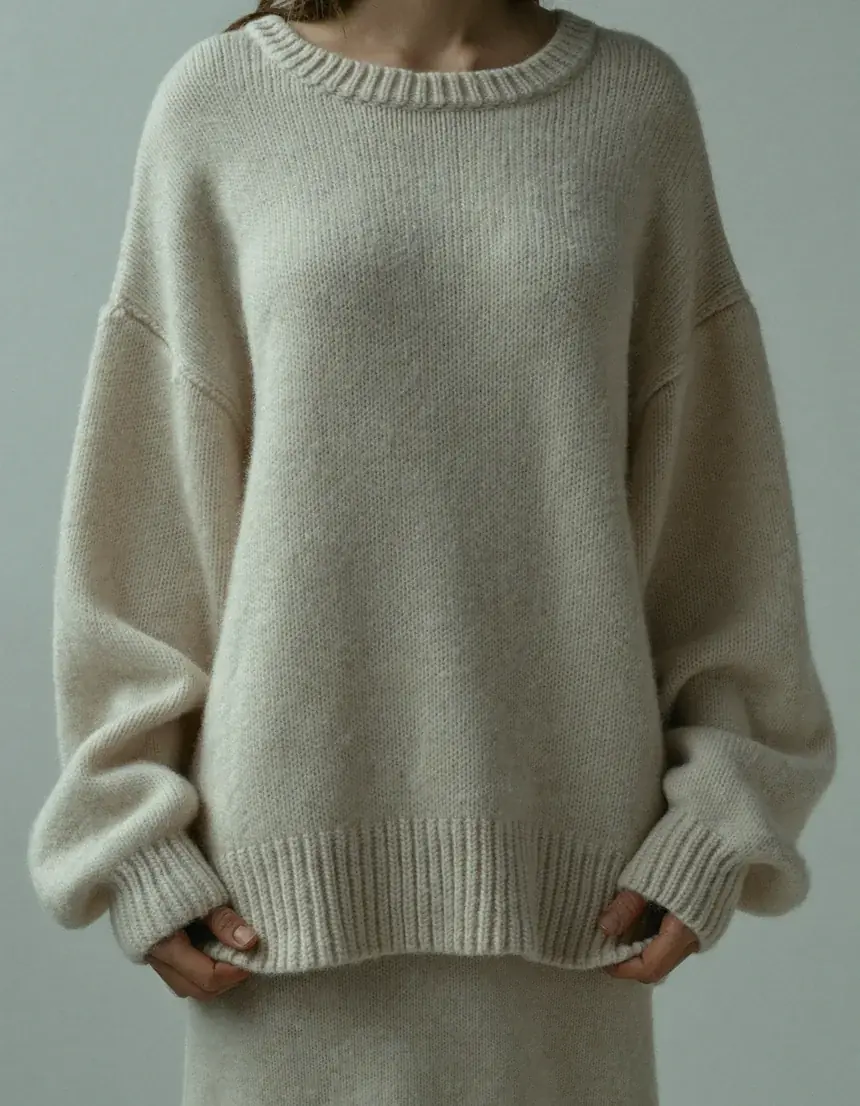 Quiet luxury: how to tell a well-made piece from an expensive one
Six checks that separate genuinely well-made clothing from expensive packaging — the shoulder seam, the lining, the grain, and what to feel for.
Read this one
Quiet luxury: how to tell a well-made piece from an expensive one
Six checks that separate genuinely well-made clothing from expensive packaging — the shoulder seam, the lining, the grain, and what to feel for.
Read this one
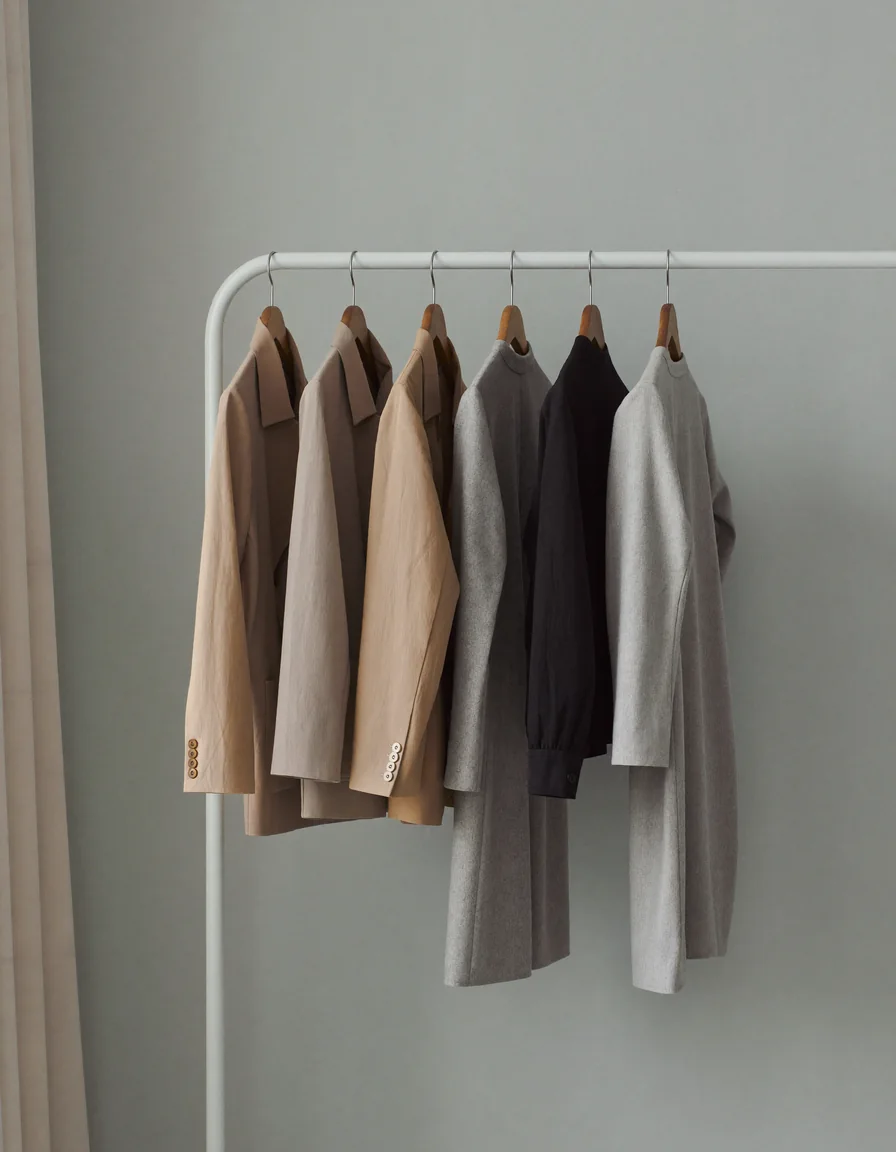 A capsule wardrobe that actually works, not the Pinterest version
Why most capsule wardrobe guides fail within a season, and the smaller, duller method that actually holds up to a real working week.
Read this one
Wool vs cashmere vs merino: which knit actually keeps you warm
What each fiber is actually good at, where the price premium is justified, and which one to buy for a piece you'll wear every week all winter.
Read this one
A capsule wardrobe that actually works, not the Pinterest version
Why most capsule wardrobe guides fail within a season, and the smaller, duller method that actually holds up to a real working week.
Read this one
Wool vs cashmere vs merino: which knit actually keeps you warm
What each fiber is actually good at, where the price premium is justified, and which one to buy for a piece you'll wear every week all winter.
Read this one
Clothing designed to be recognized by cut and cloth rather than logo. In practice it means neutral colors, restrained detailing, and construction that survives wearing. It is a design language, not a price — plenty of expensive clothing is loud, and some quiet pieces are affordable.
Do the three checks above: the shoulder seam should stay put, the piece should hang straight when held by one shoulder, and the inside should be finished rather than raw. Those three catch most poor construction without any textile knowledge.
No. A well-engineered synthetic blend often outperforms a loose natural weave for wrinkle recovery and shape retention. What matters is the density of the weave and how the piece is cut, not the fiber name on the label.
Fewer than the internet suggests. A coat that fits, two pairs of trousers, three tops you like the feel of, and one thing that makes you feel expensive will cover most of a year. Buy the coat first — it's what people see.
We'll send the piece-by-piece sizing notes we wish someone had sent us, plus whatever discount happens to be live. One quiet letter a month.
No daily sends. Unsubscribe in one click.
