Azelaic acid: what it treats, how to use it, and what to expect
Azelaic acid explained: how it helps acne, rosacea, melasma and dark spots, prescription vs over-the-counter strengths, how to use it, and side effects.
The short answer
Azelaic acid treats acne, rosacea bumps, melasma and dark marks. Prescription strengths are 15% to 20%; over-the-counter products are gentler. Apply a thin layer once or twice daily and wear sunscreen every morning.
- Irritation is usually mild and temporary; results take 1 to 3 months.
Azelaic acid is a gentle skincare acid that calms inflammation, fights acne-causing bacteria and fades dark spots, which is why dermatologists use it for acne, rosacea and melasma. It is one of the few active ingredients that suits sensitive skin, and it works well alongside most routines. Results are gradual, usually over a few months. Here is what azelaic acid does, which strength you need, how to use it, and what side effects to expect.
General information, not medical advice. See a dermatologist for rosacea, persistent acne or melasma, and ask before using new actives if you are pregnant or breastfeeding.
What is azelaic acid?
Azelaic acid is a naturally occurring acid, found in grains such as wheat and barley and made by yeast that lives on the skin. In skincare it is made in a lab. A 2025 review in Pharmaceuticals describes its antimicrobial, anti-inflammatory and pigment-reducing effects, and notes it is used for acne, rosacea, melasma and dark marks left after breakouts.
What does azelaic acid treat?
| Concern | What the evidence shows |
|---|---|
| Acne | 15% to 20% formulas reduced breakouts about as much as topical retinoids in studies, often with less irritation |
| Rosacea bumps | FDA approved; the 15% gel performed comparably to metronidazole |
| Melasma | 20% cream worked about as well as hydroquinone, with a good safety profile |
| Dark marks after acne | Fades post-inflammatory hyperpigmentation gradually |
Sources: Pharmaceuticals 2025 review; American Academy of Dermatology.
Azelaic acid for rosacea
The American Academy of Dermatology lists azelaic acid foam or gel among the FDA-approved treatments for the acne-like breakouts of rosacea, and says it can also reduce long-lasting redness. It is applied twice a day after gentle cleansing, and makeup can go on once it dries. Topical rosacea treatments usually show a slight improvement in three to four weeks. See our full guide to rosacea.
Azelaic acid for melasma and dark spots
The AAD lists azelaic acid among the gentler options for melasma, alongside kojic acid and vitamin C. A 2023 meta-analysis of six randomized trials with 673 patients found azelaic acid reduced melasma severity scores slightly more than hydroquinone, with similar side effects, though the authors called for larger, longer studies. Daily sunscreen is essential, or dark spots return.
Prescription or over-the-counter?
- Prescription (15% gel or foam, 20% cream): the strengths used in most studies, for rosacea, acne and melasma.
- Over-the-counter (usually up to 10%): gentler serums and creams for redness, texture and mild dark spots.
- "Azeloyl" or derivatives: related ingredients that are gentler but less studied.
How to use azelaic acid
- Cleanse gently and pat skin dry.
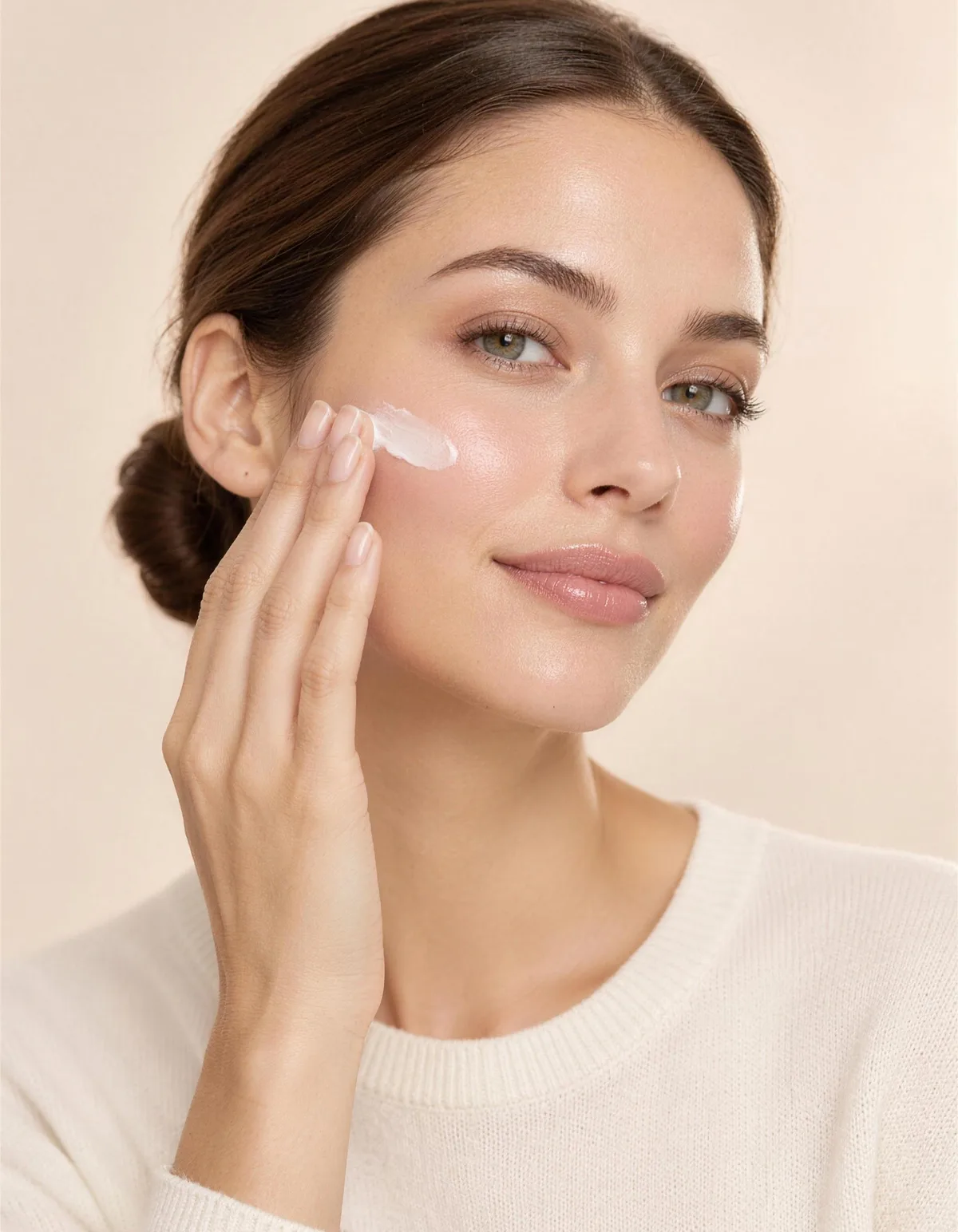
- Apply a thin layer to the whole area, not just spots, once a day to start.
- Build up to twice a day if your skin tolerates it, or as your dermatologist directs.
- Moisturize once it has absorbed.
- Wear sunscreen every morning; see the best sunscreen for your face.
- Give it time: most people see changes over 1 to 3 months.
Can you mix azelaic acid with other ingredients?
- Niacinamide and hyaluronic acid: layer easily and can reduce dryness.
- Retinoids: often used together under a dermatologist's guidance; start one at a time, or use them on alternate nights. See retinal vs retinol.
- Vitamin C: can be used in the morning with azelaic acid at night if your skin is not sensitive.
- Strong exfoliating acids: combining them can increase stinging; go slowly.
Side effects
The 2025 review describes irritation from 15% to 20% azelaic acid as mild and temporary. Expect possible tingling, burning, itching or dryness in the first weeks, which usually settles. Stop and see a doctor if you develop a rash, swelling or severe irritation. If you have very sensitive skin, patch test first and start every other day.
Who is azelaic acid good for?
- Sensitive or reactive skin that cannot tolerate stronger acids or retinoids.
- Rosacea-prone skin with redness and bumps.
- Acne-prone skin, especially with dark marks left behind.
- Uneven tone or melasma, alongside strict sun protection.
- Anyone simplifying a routine: one ingredient that targets several concerns.
Sources: American Academy of Dermatology: melasma diagnosis and treatment
Questions people ask about this
What does azelaic acid do for skin?
It calms inflammation, fights acne-causing bacteria and reduces excess pigment, so it is used for acne, rosacea, melasma and dark marks after breakouts.
Is azelaic acid good for rosacea?
Yes. The American Academy of Dermatology lists azelaic acid foam or gel among the FDA-approved treatments for rosacea's acne-like breakouts.
Does azelaic acid help melasma?
It can. A 2023 meta-analysis of six trials found azelaic acid reduced melasma severity slightly more than hydroquinone. Daily sunscreen is essential.
How long does azelaic acid take to work?
Usually 1 to 3 months for visible changes; rosacea may show slight improvement in three to four weeks.
Can you use azelaic acid with retinol?
Often yes, under a dermatologist's guidance. Introduce one at a time or use them on alternate nights to limit irritation.
What are the side effects of azelaic acid?
Mild, temporary tingling, burning, itching or dryness, usually in the first weeks. Stop if you develop a rash or swelling.