Hyaluronic acid serum: what it does, how to use it, and who it suits
Hyaluronic acid serum explained: how it hydrates, what the research shows, molecular weights, how to apply it on damp skin, layering, and who it suits.
The short answer
Hyaluronic acid is a humectant that holds water in the skin. Apply it to damp skin and seal it with moisturizer right away. It layers well with retinoids, vitamin C, acids and peptides.
- It suits almost every skin type; choose fragrance-free if sensitive.
A hyaluronic acid serum is a lightweight, water-based serum built around hyaluronic acid, a molecule your skin makes naturally that holds onto water. Applied to damp skin and sealed with moisturizer, it makes skin look plumper, smoother and more hydrated within minutes, and it suits almost every skin type. It is a hydrator, not a treatment for acne or deep wrinkles. Here is what it does, what the research shows, and how to use it properly.
What is hyaluronic acid?
Hyaluronic acid, often listed as sodium hyaluronate, is a sugar molecule found naturally in skin, joints and eyes. It is a humectant: it attracts and binds water. Our skin's own supply falls with age and sun exposure, which is part of why skin feels drier and looks less bouncy over time.
What does a hyaluronic acid serum do?
- Hydrates: draws water into the top layers of the skin.
- Plumps: well-hydrated skin looks fuller, so fine dehydration lines soften.
- Smooths: makeup sits better on hydrated skin.
- Soothes tightness from cleansing, retinoids or dry air.
What does the research show?
In a 60-day study published in the Journal of Drugs in Dermatology, 76 women aged 30 to 60 applied creams with 0.1% hyaluronic acid of different molecular weights around one eye, and a plain cream around the other, twice a day. All of the hyaluronic acid creams significantly improved skin hydration and elasticity compared with the plain cream. The lowest molecular weights also significantly reduced wrinkle depth, which the authors suggested may be because smaller molecules penetrate better. It was a small, short study, so treat it as encouraging rather than definitive.
Molecular weight: why it matters
| Type | Where it works | What it does |
|---|---|---|
| High molecular weight | Sits on the surface | Forms a hydrating film; immediate smoothness |
| Low molecular weight | Penetrates a little deeper | Longer-lasting hydration; linked to reduced wrinkle depth in one study |
| Multi-weight blends | Both | The most common choice in serums |
Labels may say multi-weight, low-weight or sodium hyaluronate crosspolymer.
How to use hyaluronic acid serum
- Cleanse, and leave your skin slightly damp, or mist it with water.
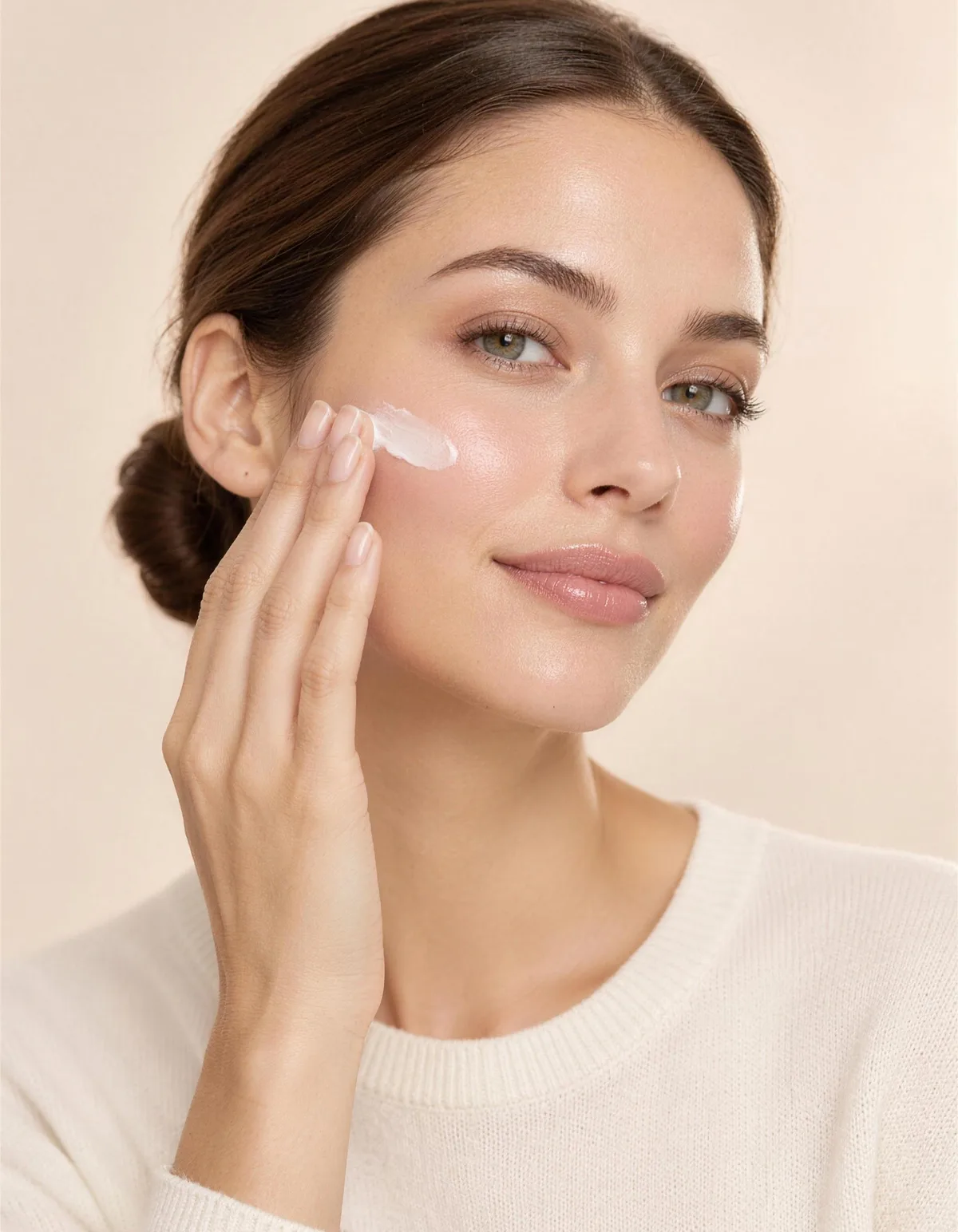
- Apply a few drops and press it in gently with your palms.
- Seal it with moisturizer right away. This is the step most people skip; without it, especially in dry air, water can evaporate back out.
- In the morning, finish with sunscreen; see the best sunscreen for your face.
Can you use hyaluronic acid with retinol and vitamin C?
- With retinol or retinal: yes, and it often helps with dryness. Apply the retinoid, then hyaluronic acid and moisturizer, or use hyaluronic acid first on damp skin. See retinal vs retinol.
- With vitamin C: yes; apply vitamin C first in the morning, then hyaluronic acid, then moisturizer and sunscreen.
- With exfoliating acids: yes; hyaluronic acid is not an exfoliant despite the name, and it can calm the tightness acids cause.
- With peptides and niacinamide: they layer well; see peptides for skin.
Who is hyaluronic acid serum good for?
- Dry and dehydrated skin: the most obvious benefit.
- Oily skin: oily skin can still be dehydrated; a light serum hydrates without heaviness.
- Sensitive skin: usually well tolerated; choose a fragrance-free formula.
- Mature skin: improves the look of dryness and fine lines.
- Acne-prone skin: generally fine; check the rest of the ingredient list.
Why does my skin feel tighter after hyaluronic acid?
If you apply it to dry skin in a dry room and skip moisturizer, it can feel tight or even sticky. Apply it to damp skin and always seal it with a cream. If you still notice stinging, try a fragrance-free formula, since the problem is often another ingredient in the product.
What to look for in a hyaluronic acid serum
- Short ingredient list without fragrance or drying alcohol near the top.
- Multi-weight hyaluronic acid or sodium hyaluronate.
- Supporting ingredients such as glycerin, panthenol or ceramides.
- A price that matches: effective hyaluronic acid serums are often inexpensive; see expensive vs drugstore.
Hyaluronic acid is a staple of layered routines; our guide to Korean skin care shows how hydrating steps fit together, and slugging explains how to seal hydration in overnight.
Read next: Azelaic Acid: Benefits, How to Use It, Side Effects · Melasma: Causes, Treatment and Prevention
Questions people ask about this
What does hyaluronic acid serum do?
It draws water into the top layers of the skin so it looks plumper, smoother and more hydrated. It is a hydrator, not an acne or wrinkle treatment.
How do you use hyaluronic acid serum?
Apply a few drops to clean, slightly damp skin, press it in, then seal it with moisturizer right away. Finish with sunscreen in the morning.
Can you use hyaluronic acid with retinol?
Yes. Hyaluronic acid helps with the dryness retinoids cause. Layer it with moisturizer around your retinoid.
Is hyaluronic acid good for oily skin?
Yes. Oily skin can still be dehydrated, and a light hyaluronic acid serum hydrates without heaviness.
Why does hyaluronic acid make my skin feel tight?
Usually because it went on dry skin in dry air without moisturizer on top. Apply it to damp skin and always seal it in.
Does hyaluronic acid reduce wrinkles?
It softens the look of dehydration lines. In one 60-day study, low-molecular-weight hyaluronic acid creams reduced wrinkle depth around the eyes.