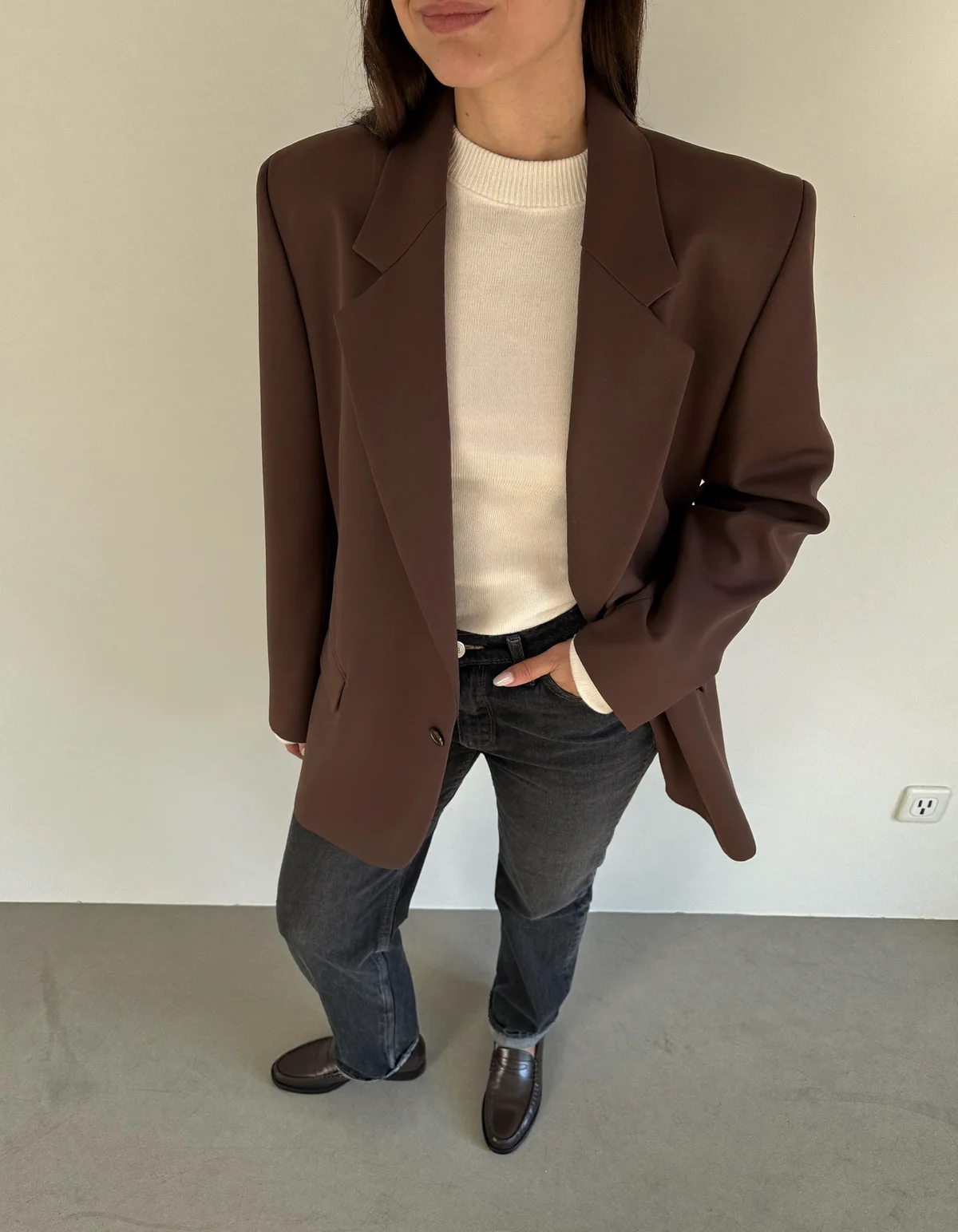
Coats for women: the styles worth owning, and how to choose one that lasts
Coats for women explained: wrap, trench, cocoon and puffer styles, how to read wool content, getting the fit right over knits, colors, and care.
The short answer
The most versatile coat is a single-breasted or wrap coat in a neutral, knee-length or midi. Look for a high wool percentage and a smooth lining; heavy polyester blends pill. Try it on over your thickest sweater: you should be able to cross your arms without pulling.
- A well-made coat worn all season costs little per wear.
A good coat is the most worn piece in a fall and winter wardrobe, so it is worth choosing carefully. The right one fits over a knit without pulling, is made mostly of wool if you want warmth, and comes in a color that goes with everything else you own. Here are the styles worth owning, how to read the fabric label, and how to get the fit right.
Coat styles for women
| Style | What it is | Best for |
|---|---|---|
| Wrap coat | Belted, no buttons, soft shape | Defining the waist; dressy and casual |
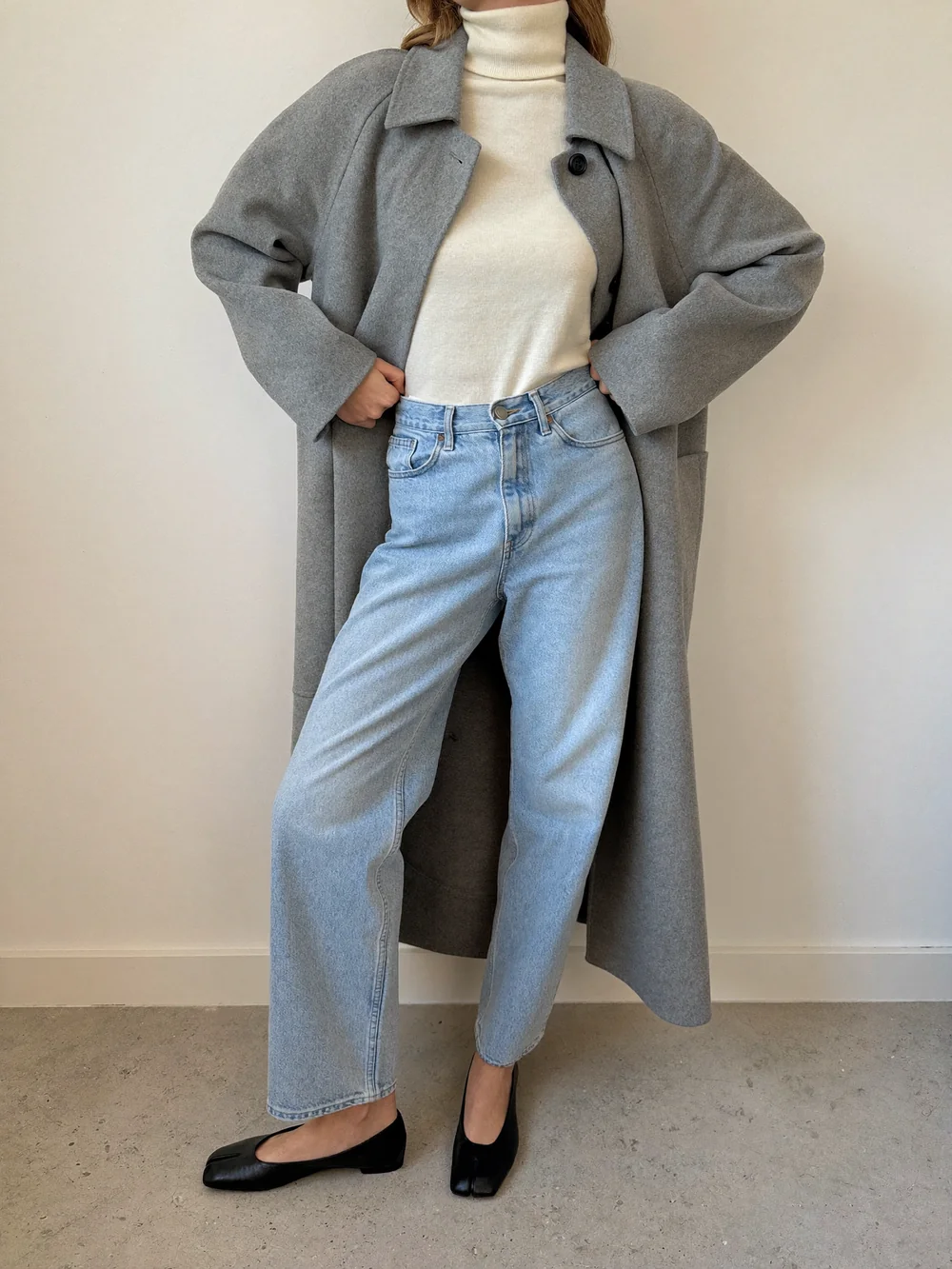
| Single-breasted long coat | Straight, clean lines, buttons down the front | The most versatile coat you can own |
| Double-breasted coat | Two rows of buttons, more structured | A polished, classic look |
| Cocoon coat | Rounded, roomy shape | Layering over bulky knits |
| Trench coat | Light, belted, rain-friendly | Fall and spring transitions |
| Puffer or down coat | Quilted, insulated | Real cold, wind and snow |
Read the fabric label
- Wool content: for a warm coat, look for a high wool percentage; blends with a lot of polyester look fine at first but pill and are less warm.
- Cashmere blends feel softer but are more delicate; a small amount adds softness without much fragility.
- Lining: a smooth lining helps the coat slide over knits and adds warmth.
- Weight: a heavier, denser fabric usually means a warmer, longer-lasting coat.
Our guide to wool vs cashmere vs merino explains the fibers, and how to spot well-made clothes covers seams and finish.
How a coat should fit
- Try it on over your thickest sweater. You should be able to cross your arms and reach forward without the back pulling.
- Shoulders: the seam should sit at or just past your shoulder bone, unless the style is meant to be oversized or dropped.
- Sleeves: they should cover your wrist bone when your arms are by your sides.
- Length: a knee-length or midi coat is the most versatile; it covers skirts and dresses and looks good with trousers.
- Buttons should close flat without strain.
Which color coat should you buy?
Camel, navy, black, charcoal and soft gray all go with almost everything. Camel and cream look warm and soft; black and charcoal look sharp. If you only buy one, choose the color closest to your most-worn neutrals. Our color analysis quiz shows which neutrals suit your coloring.
Coats for petite and tall women
- Petite: a knee-length or slightly shorter coat in a slim cut keeps proportions balanced; very long or very oversized coats can swallow a petite frame.
- Tall: long coats and maxi lengths look striking; check the sleeve length, since standard sleeves often run short.
What to wear with a long coat
- A knit, straight jeans and loafers for everyday.
- Tailored trousers and a turtleneck for work.
- A midi skirt and knee-high boots, with the coat covering the skirt hem.
Our fall outfits and winter outfits guides have more combinations.
Wool coat or puffer: which do you need?
It depends on your winters. A wool coat looks polished and is warm enough for most cold days, especially over a knit, but wool alone struggles in hard frost, strong wind and wet snow. A down or synthetic puffer is warmer for its weight and handles wind and snow far better, but it reads more casual. In mild climates, one good wool coat is enough. In cold ones, most people do best with both: a wool coat for work and evenings, and a puffer for the coldest, wettest days. A trench covers the in-between seasons.
Details that show a coat is well made
- Even, tight stitching with no loose threads, especially at the shoulders and pockets.
- Buttons sewn on securely, ideally with a small spare inside.
- Pattern matching at the seams on checked or striped coats.
- A full lining rather than a half lining, for warmth and an easy slide over knits.
Is an expensive coat worth it?
A coat you wear four or five days a week all season costs very little per wear, even at a higher price, if it is well made. Use our cost per wear calculator before you buy.
How to care for a wool coat
- Hang it on a wide, shaped hanger so the shoulders keep their shape.
- Brush it with a clothes brush after wearing, and air it rather than cleaning it often.
- Dry clean or follow the label when it needs cleaning; our laundry care symbols guide decodes it.
- Remove pills with a fabric shaver, and store it in a breathable cover in summer.
Read next: Fall Fashion Trends 2026: How to Wear Them · Wide Leg Jeans: Fit, Length and Outfits That Work · Cardigan Guide: Styles, Fabrics and How to Wear One
Questions people ask about this
What is the most versatile coat for women?
A single-breasted or wrap coat in camel, navy, black or charcoal, knee-length or midi, made mostly of wool.
How should a winter coat fit?
Over your thickest sweater, you should be able to cross your arms without the back pulling; sleeves should cover your wrist bone, and buttons should close flat.
What should I look for in a wool coat?
A high wool percentage, a smooth lining, and a dense fabric. Heavy polyester blends pill and are less warm.
What length coat is best?
Knee-length or midi is the most versatile: it covers skirts and dresses and looks good with trousers. Petite women often prefer just above the knee.
What color coat goes with everything?
Camel, navy, black, charcoal and soft gray. Choose the one closest to the neutrals you wear most.
How do you care for a wool coat?
Hang it on a shaped hanger, brush it after wearing, air it out, and dry clean only when needed.