Winter outfits for women: twelve formulas built from three layers
Winter outfits for women work in thin layers that each do one job. Twelve formulas for work, weekends, evenings and the coldest days, plus shoes and care.
The short answer
Winter outfits work by layering: a fine base, a warm mid layer and a wind-blocking outer layer, each as thin as it can be. Merino sits against the skin, wool or cashmere in the middle, and a dense coat or shell outside. Choose a formula such as knit, trousers, boots and coat, and swap the pieces for ones you own.
- Care matters: wash knits sparingly, dry them flat and choose a few well-made pieces over many cheap ones.
Winter outfits for women work when they are built in layers that each do one job, not when they are built around the biggest coat. Warmth comes from trapped air, so several thin layers beat one thick one, and they let you adjust between a cold street and a hot train. The pieces below, put together by formula, cover almost every winter day.
How do you dress for winter without feeling bulky?
Use three layers. A base layer sits against the skin and manages moisture. A mid layer holds warmth. An outer layer blocks wind and wet. Each should be as thin as will do its job, in fabrics that are warm for their weight. Our guide to wool, cashmere and merino explains which fiber suits which layer: merino next to the skin, wool or cashmere in the middle, and a dense wool coat or a windproof shell outside.
| Layer | Its job | Good choices | Avoid |
|---|---|---|---|
| Base | Sits on skin, stays dry | Fine merino, thermal tee, silk-blend camisole | Cotton when you will sweat or get wet |
| Mid | Traps warm air | Wool or cashmere knit, fleece-lined top, cardigan | Tight knits that squash the air |
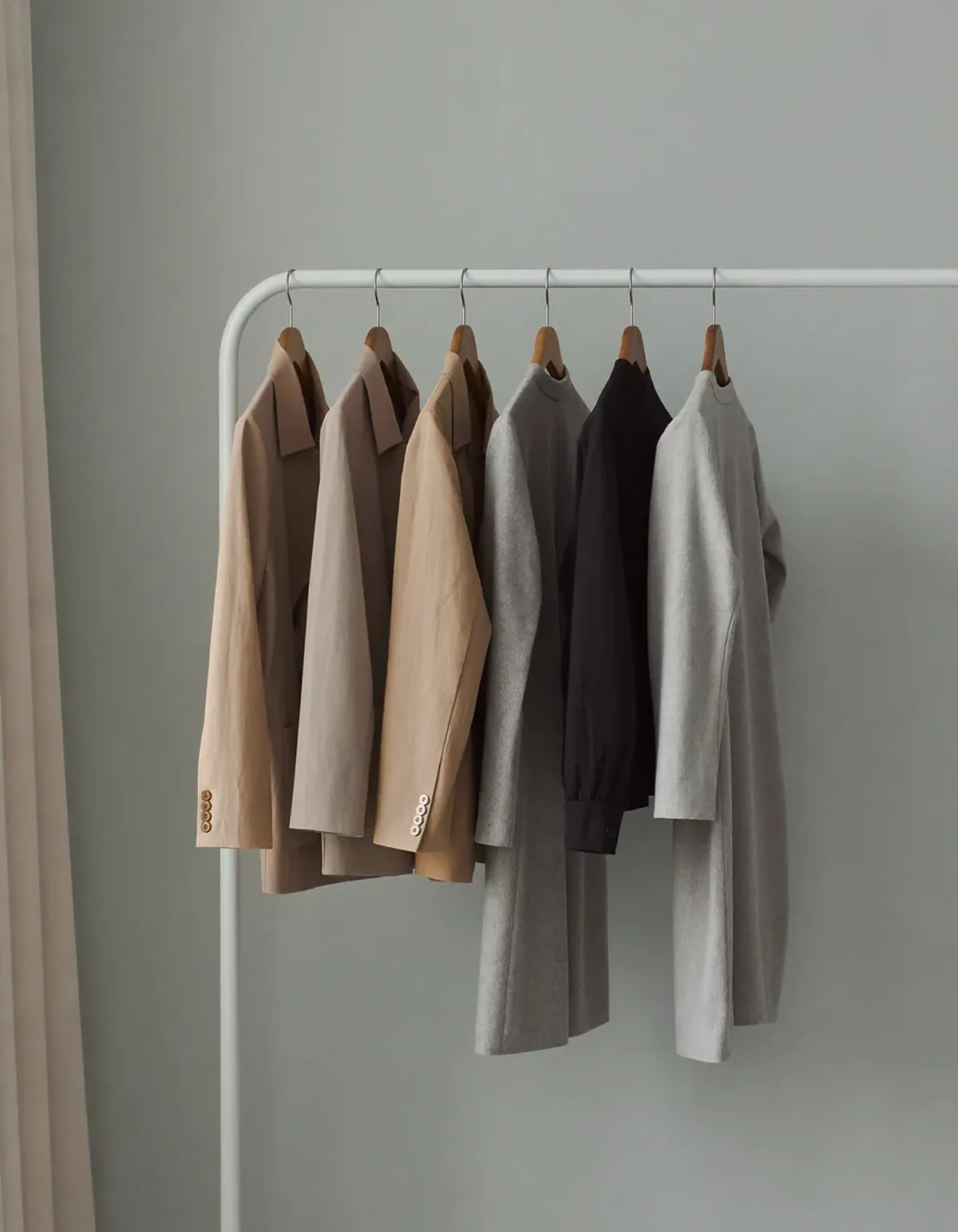
| Outer | Blocks wind and wet | Wool coat, puffer, trench with a liner, shell jacket | Thin fashion coats in real cold |
| Extras | Protect the extremities | Wool scarf, gloves, beanie, thick socks | Skipping them: heat is lost at hands, head and feet |
Layer thin, then adjust: one layer off is easier than one coat too few.
What are 12 winter outfits that always work?
Choose a formula, as we describe in outfit formulas, then swap the pieces for ones you own.
For work
- Knit, tailored trousers, ankle boots, wool coat. The default that suits most offices.
- Turtleneck, pleated midi skirt, knee-high boots. Warm legs under a long skirt with lined tights.
- Shirt under a knit vest, straight trousers, loafers with thick socks. A layered smart-casual look; see smart casual for women.
For weekends
- Chunky knit, dark straight jeans, boots, puffer. The easy winter uniform.
- Fleece pullover, thermal leggings, waterproof boots. For walks and cold weather days outdoors.
- Oversized cardigan, long-sleeve tee, wide-leg jeans, sneakers. A relaxed look with room for an extra layer.
- Long wool coat over a hoodie, jeans and boots. Dressed down but warm.
For evenings
- Velvet or satin slip dress, fine knit over it, boots, coat. A light layer worn over the dress keeps the shape; see cocktail attire.
- Wool trousers, silk blouse, blazer, heeled boots. Dressy and warm.
- Knit dress, opaque tights, boots, long coat. One piece plus layers.
For the coldest days
- Thermal base, wool sweater, puffer, snow boots, hat and gloves. Function first.
- Merino base, fleece mid layer, windproof shell, waterproof boots. For wind and wet as well as cold.
Which shoes work in winter?
Boots with a grippy sole and a closed toe, with room for thick socks. Waterproof leather or treated suede keeps feet dry; a dense lining matters more than a high shaft. If you have a bunion or wide feet, the toe box matters, and our guide to shoes for bunions covers how to check fit. Leather needs care after salt and slush, as our guide to leather grades explains.
How do you keep winter clothes lasting?
Knits pill and stretch when they are washed hot or hung wet. Follow the label symbols (see laundry care symbols, explained), wash less often, dry flat and rest wool between wears. A small set of well-made pieces in a few colours also beats a large pile of cheap ones, which is the maths in cost per wear and the idea behind a capsule wardrobe that works.
What should you wear for different winter weather?
Winter is not one condition. Dry cold, wet cold and wind each call for a different outer layer, and snow changes the shoes. This table pairs the weather with the piece that matters most.
| Weather | What matters most | Outfit |
|---|---|---|
| Dry cold | Insulation | Merino base, wool knit, wool coat, scarf and gloves |
| Wet cold | Waterproofing | Merino base, fleece or knit, waterproof shell or coated parka, waterproof boots |
| Wind | A windproof outer layer | Thermal base, knit, windproof shell, hat that covers the ears |
| Snow and ice | Grip and dry feet | Thermal leggings under trousers, insulated waterproof boots with a lugged sole, thick socks |
| Mild and changeable | Easy to adjust | Light knit, cardigan, trench or light jacket, a scarf you can take off |
In every case, thin layers you can remove beat one heavy layer you cannot.
How many pieces do you need for a winter wardrobe?
Fewer than most people own. A working winter wardrobe is about ten pieces plus outerwear: two warm knits, a fine merino base layer or two, two pairs of trousers or jeans, a skirt or dress that works with tights, one cardigan or blazer, a pair of boots, a coat, and a scarf, hat and gloves. The pieces mix because they share a palette, which is the logic of a capsule wardrobe. Spend the most on the coat and the knitwear, since those do the most work; our guide to spotting well-made clothes shows what to check.
Questions people ask about this
What should women wear in winter?
Dress in three thin layers: a merino or thermal base, a wool or cashmere mid layer and a windproof outer coat, with a scarf, gloves, a hat and warm socks. Thin layers trap more warm air than one thick one.
How do you layer clothes in winter without looking bulky?
Use thin, warm fabrics such as merino and cashmere, keep the base layer fitted and the outer layer slightly roomier, and choose one bulky piece rather than several.
What shoes are best for winter?
Closed, waterproof boots with a grippy sole and space for thick socks. A good lining matters more than a high shaft.
What can I wear under a dress in winter?
Opaque or fleece-lined tights, a thermal or merino base layer and boots, with a coat over the top.
What is the best winter coat?
A dense wool coat for city days, a puffer for cold or wet weather, or a lined trench for milder winters. Choose the one that matches how much time you spend outdoors.