Jowls: what causes them, and what actually helps
Jowls come mostly from ageing, not habit. What causes them, what the evidence says on exercises and tools, and which treatments actually work.
The short answer
Jowls come mostly from ageing: collagen and elastin decline, and tissue, fat and ligament support settle lower. Sunscreen, not smoking and gradual weight change help prevent them; creams and tools help only a little. Facial exercises have limited, modest evidence; gua sha and wands relieve puffiness and jaw tension, not established jowls.
- For pronounced jowls a neck lift is the most effective treatment; fillers, radiofrequency and ultrasound give milder results.
Jowls are the soft sagging along the lower jaw that blurs the line between face and neck, and they are mostly a result of ageing, not something you did wrong. They come from several layers of the face changing at once, which is why no single cream, wand or exercise removes them. Some things help, some only help a little, and the strongest results come from procedures that cost real money. Here is what is known.
What are jowls?
Jowls are folds of loose skin and soft tissue that hang below the jawline. As Healthline describes, the skin around the cheeks and jaw gradually loses collagen and elastin, the proteins that keep it firm, and gravity pulls the tissue downward. Medical News Today notes that ageing is the underlying cause, with genetics, smoking and repeated facial habits able to make them more pronounced.
What causes jowls?
- Ageing. Collagen and elastin decline, the face loses some of its structural support, and tissue settles lower.
- Genetics. Some people get jowls earlier because of how their facial structure and skin are built.
- Sun damage and smoking. Both break down collagen and elastin faster.
- Rapid weight loss. When weight comes off quickly, skin has little time to contract. The Cleveland Clinic describes this in its explanation of the so-called Ozempic face.
Clinicians also describe changes to the bone and fat beneath the skin, and a stretching of the ligaments that hold the lower face in place. That is why skin-care alone cannot fully change jowls: the problem is partly below the surface.
| Approach | What it can do | Limits |
|---|---|---|
| Daily sunscreen on face and neck | Slows further collagen breakdown | Prevents; does not reverse existing sagging |
| Retinoid or vitamin C creams | May improve skin texture and firmness modestly | Do not lift tissue |
| Facial exercises | Small studies suggest some improvement in cheek fullness | Evidence is limited; effect is modest |
| Gua sha, rollers and massage tools | Temporary de-puffing and a looser jaw | Do not change jowls permanently |
| Radiofrequency, ultrasound and similar treatments | Mild to moderate tightening | Several sessions, cost, results vary |
| Fillers and thread lifts | Camouflage or reposition tissue | Temporary; need a skilled practitioner |
| Surgical lifting | The most effective option for pronounced sagging | Cost, recovery time and surgical risk |
Sources: Medical News Today and Healthline on jowls; the Northwestern facial exercise study.
Do facial exercises get rid of jowls?
The evidence is limited and encouraging at best. The best-known study, published in JAMA Dermatology in 2018, followed 16 women aged 40 to 65 through a 20-week programme of daily facial exercises and found that blinded dermatologists rated their upper and lower cheek fullness as improved, and judged their faces to look a little younger on average. It was small, had no control group and the participants were self-selected, and the authors called for more research. See the Northwestern summary. Medical News Today reports that a later review found limited evidence overall, though many studies had positive outcomes. Treat exercises as a free, low-risk thing to try, not a cure.
Do neck and jawline wands, gua sha and massage work on jowls?
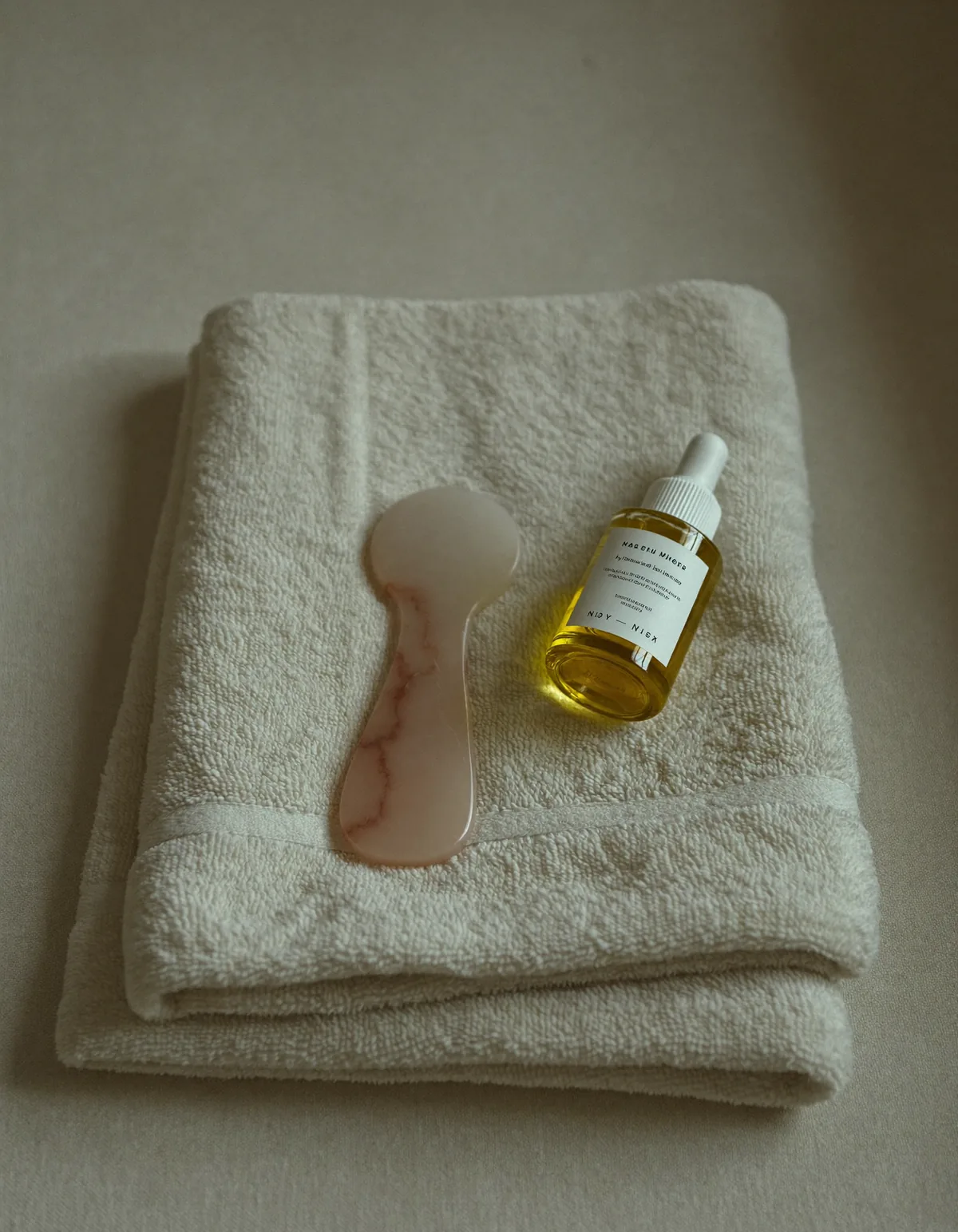
They can make your face look less puffy for a few hours and relax a tight jaw, which is real but temporary; our guide to gua sha and what it can do explains what the effect is and is not. None of these tools has been shown to move bone, fat pads or ligaments, so we would not expect a handheld device to remove established jowls. SBLA, a SOUL partner, sells a Neck, Chin and Jawline Sculpting Wand and other face devices; its site describes the products but does not explain how they work or state specific results, so judge it by that and by the evidence above. We earn a commission if you buy through our link.
What are the most effective treatments for jowls?
For pronounced jowls, Medical News Today lists a neck lift as the most effective treatment, with the longest recovery and the most risk. Non-surgical options include dermal fillers, ultrasound and radiofrequency treatments, which give milder results and usually need more than one session. A board-certified dermatologist or plastic surgeon can tell you which fits your face and budget, and what to expect; most insurers do not cover them because they are elective.
How can you prevent jowls from getting worse?
- Use sunscreen on your face and neck every day. UV damage speeds collagen loss.
- Do not smoke, which also damages collagen and elastin.
- Lose or gain weight gradually where you can, since rapid changes leave loose skin.
- Look after skin with a simple routine: a gentle cleanser, a moisturiser and, if your skin tolerates it, a retinoid at night.
- Sleep and posture matter a little: see how to fall asleep fast for the habits that help, and keep your head up when using a phone.
For ordinary puffiness that comes and goes, see cortisol face and what puffiness means.
General information, not medical advice. See a dermatologist or doctor for any change in your skin that worries you.
Read next: Turkey Neck: What Causes It and What Really Helps · Double Chin: What Causes It and What Really Works · Microcurrent Facial Device: Does It Work?
Questions people ask about this
What causes jowls?
Mainly ageing: collagen and elastin decline and tissue settles lower. Genetics, sun damage, smoking and rapid weight loss can make them more pronounced.
How do you get rid of jowls?
Prevention (sunscreen, no smoking) and skincare help slightly. Radiofrequency, ultrasound, fillers and thread lifts give milder results, and a surgical neck lift is the most effective for pronounced sagging.
Do facial exercises work for jowls?
Evidence is limited. A small 2018 study of 16 women found improved cheek fullness after 20 weeks, but it had no control group, so treat exercises as a low-risk thing to try.
Can a facial massage tool or wand reduce jowls?
They can reduce puffiness and relax the jaw for a few hours, but none has been shown to permanently change established jowls.
Can you prevent jowls?
You can slow them: daily sunscreen on the face and neck, not smoking, gradual weight change and a simple skincare routine.