Gua sha and facial massage tools: real effects, modest ones
Lymphatic movement and temporary puffiness reduction are real. Lifting, contouring and “draining toxins” are not what is happening — and the pressure most people use is wrong.
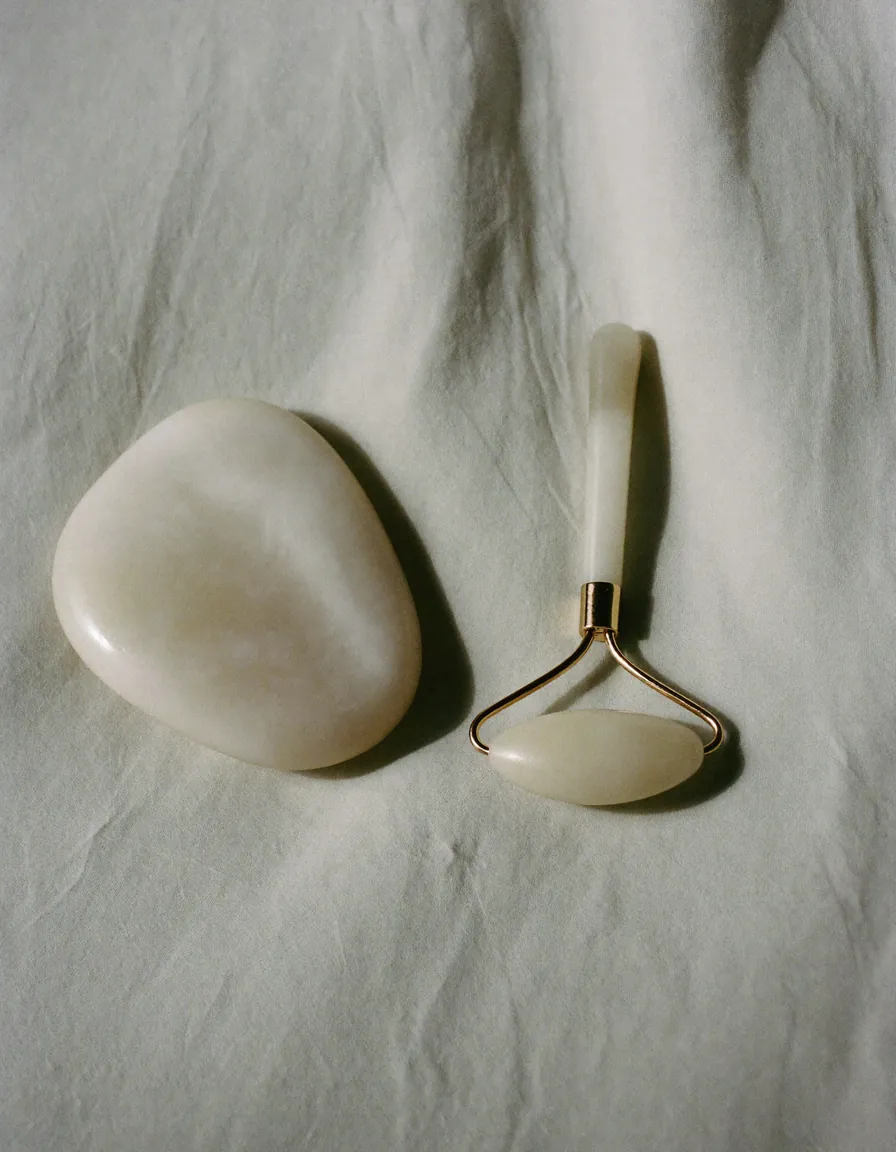
This category sits in an awkward middle. The effects are real, they are smaller than the marketing, and the marketing reaches for physiological language that does not survive contact with how the body actually works. Both the enthusiasts and the debunkers are overstating their side.
What actually happens
Facial massage moves interstitial fluid. The lymphatic system has no pump of its own — it relies on muscle movement and external pressure — so gentle directional stroking genuinely does help disperse fluid that has pooled overnight. That is why the morning-puffiness effect is the one people notice most reliably, and it is not imagined.
Massage also increases local blood flow, which produces the temporary flush people read as “glow.” And there is a plain muscular effect: the jaw and temple hold tension, and releasing it changes how the lower face sits.
All three are real. All three are temporary, measured in hours, and that is the part consistently left out.
What does not happen
Nothing is being drained of toxins. Lymph is not a waste system in the sense that phrase implies, and no stroking pattern detoxifies anything.
Facial contours are not being permanently changed. Bone structure is bone, and fat pads do not relocate because a stone was moved across them. Before-and-afters showing a visibly different face shape are showing lighting, angle and a jaw held differently.
Collagen is not meaningfully stimulated by the pressure used here. The pressure that would do that is the pressure that causes damage, which is the opposite of the intent.
The mistake almost everyone makes
Too much pressure. The lymphatic vessels doing the work sit immediately under the skin, and hard pressure compresses past them into muscle, which does not achieve the fluid effect and does risk irritation and, on reactive skin, broken capillaries. The correct pressure is closer to stroking than to massage — light enough that the skin moves with the tool rather than under it.
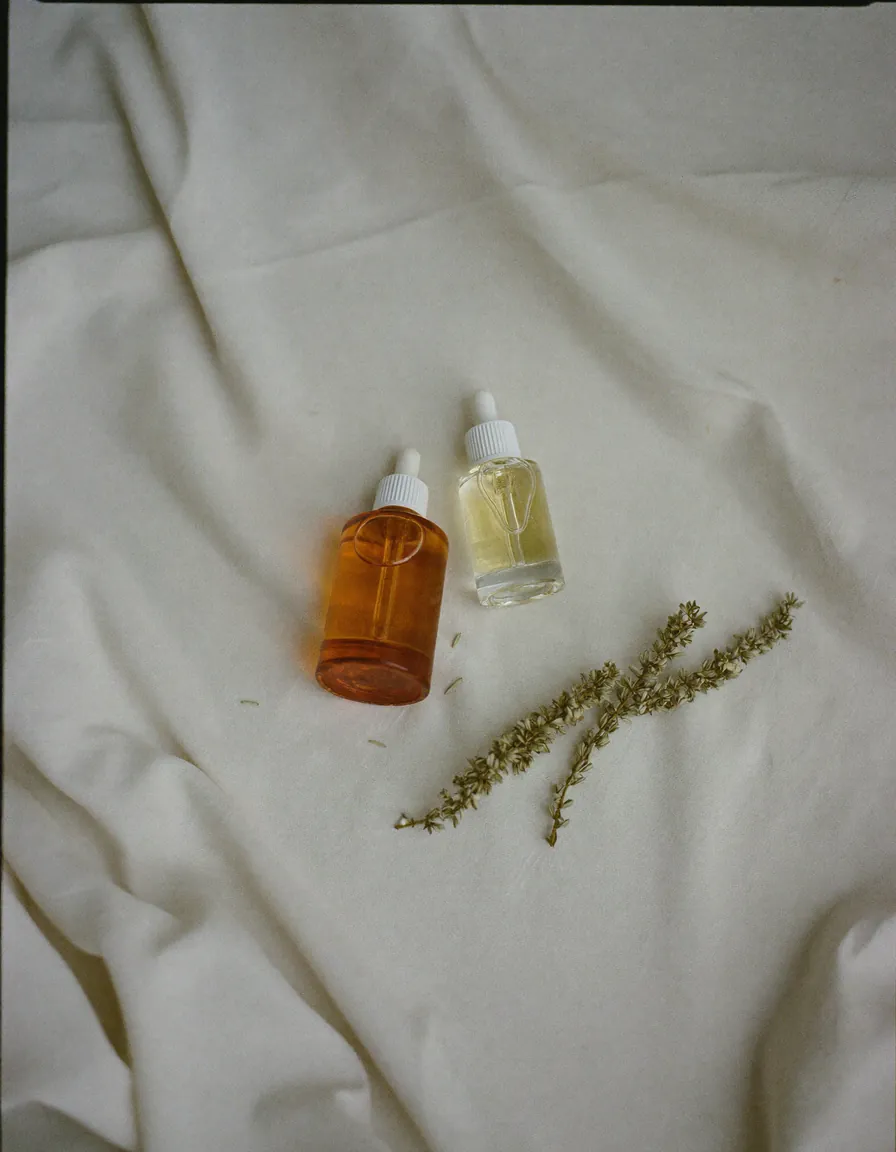
The second mistake is no slip. A stone dragged across dry skin pulls at it. Facial oil or a slippery serum first, every time, and stop if there is any drag.
Direction matters and is simple: outward from the centre of the face, then down the sides of the neck, because that is where the drainage points are. Upward-only stroking on the face is a lifting metaphor rather than a physiological one.
So is it worth owning?
If you want a reliable way to look less puffy in the morning and a few minutes of genuine jaw release, yes — and a stone costs very little. If you are buying it to change your face shape, no, and no amount of consistency will get you there.
The honest framing is the same as for microcurrent devices: a real but modest, temporary, maintenance-dependent effect, sold in language borrowed from procedures that do something structurally different.
Questions people ask about this
Does gua sha actually work?
For dispersing morning puffiness and releasing jaw tension, yes — the lymphatic system has no pump of its own and responds to gentle external pressure, and massage raises local blood flow. Those effects are real and temporary, lasting hours. Permanent contour change is not among them.
Does facial massage lift the face or change its shape?
No. Bone structure is bone and fat pads do not relocate because a tool passed over them. What changes is fluid distribution, blood flow and how much tension the jaw is holding — which can look like a difference in a mirror without being a structural one.
How much pressure should you use for gua sha?
Much less than most people use. The vessels doing the work sit immediately beneath the skin, so heavy pressure compresses past them into muscle without achieving the fluid effect, and risks irritation or broken capillaries on reactive skin. Light enough that skin moves with the tool, not under it.
Which direction should you use a facial massage tool?
Outward from the centre of the face, then down the sides of the neck, since that is where drainage points sit. Strictly upward stroking is a lifting metaphor rather than a physiological one. Always use oil or a slippery serum first and stop if there is any drag.
Does facial massage remove toxins?
No. Lymph is not a waste-disposal system in the sense that phrase implies, and no massage pattern detoxifies anything. The genuine mechanism is fluid movement and blood flow, which is a smaller and more honest claim.