Perimenopause symptoms: the signs, the age, and how long it lasts
Perimenopause symptoms explained: the signs, the usual age, how long it lasts, what a test can and cannot show, treatment options and when to see a doctor.
The short answer
Perimenopause is the transition before menopause: your cycle becomes variable, then you skip periods, until 12 months pass without one. Common signs are period changes, hot flashes, night sweats, poor sleep, mood changes and physical changes such as joint aches and dry skin. It often starts in the 40s; symptoms usually last 7 to 9 years, and you can still get pregnant.
- No single test confirms it. See a doctor about treatment options, and about any heavy bleeding or bleeding after menopause.
Perimenopause is the transition before menopause, when your hormones start to fluctuate and your periods start to change. The most common signs are periods that become irregular, hot flashes and night sweats, poor sleep, mood changes, and a long list of physical changes from joint aches to dry skin. It often begins in your 40s, it varies a great deal from person to person, and the symptoms typically last for years, not months. Here is what the main health sources say, what a test can and cannot tell you, and when to see a doctor.
General information, not medical advice. Talk to a doctor about your own symptoms, medicines and risks.
What is perimenopause?
Perimenopause means "around menopause". It is the stage when your ovaries make hormones less predictably, so your cycle and your body begin to change, and it ends when you reach menopause: 12 months in a row without a period. After that you are postmenopausal.
Doctors do not diagnose it with a single number. The standard clinical staging system, called STRAW+10, defines the stages by your menstrual cycle:
- Early transition: your cycle length becomes variable, defined as a persistent difference of 7 days or more between consecutive cycles.
- Late transition: you go 60 days or longer without a period. The report estimates this stage lasts on average 1 to 3 years.
- Menopause: the final menstrual period, recognized once 12 months have passed without another.
The same report notes that the menstrual cycle criteria are the most important ones, and that hormone tests are supportive only.
Perimenopause symptoms: the full list
The NHS lists these symptoms. You may have a few of them, many, or none that bother you, and they often change over time, for example from hot flashes to low mood.
| Group | What you might notice |
|---|---|
| Periods | More or less frequent, heavier or lighter, and eventually stopping |
| Hot flashes and night sweats | Sudden waves of heat, sweating at night |
| Sleep | Trouble falling or staying asleep, which can add to irritability, stress and anxiety |
| Mood and thinking | Low mood, anxiety, poor memory and poor concentration |
| Body | Weight gain, often around the stomach and upper body; palpitations; weaker bones; worse headaches or migraines; muscle aches and joint pain |
| Vagina and bladder | Dryness, burning, itching, painful sex; needing to pee more often; leaking urine; more urinary infections |
| Skin, hair and mouth | Hair thinning or loss, dry or itchy skin, sensitive teeth, painful gums |
| Libido | Reduced sex drive |
Source: NHS. Some symptoms, such as joint pain and vaginal dryness, can continue after menopause.
Hot flashes and night sweats
Sudden heat and night sweats are called vasomotor symptoms. A 2026 American College of Physicians guideline says they affect up to 80% of women during perimenopause and can persist after menopause. They can be mild or can wake you several times a night, which is one way perimenopause feeds into the poor sleep and low mood on the list above.
Changes to your periods
Because the staging system itself is built on your cycle, a changing period is the most reliable sign. You might notice cycles that come closer together, then further apart, a heavier or lighter flow, or a skipped month followed by a normal one. Keep a record of period dates for a few months: a pattern of cycles that vary by a week or more is exactly what the early transition is defined by.
Some bleeding needs a doctor, not a diary; see "When to see a doctor" below.
Skin, hair and mouth changes
These get less attention than hot flashes, but the NHS names them: hair thinning or loss, dry or itchy skin, sensitive teeth and painful gums. If you are noticing more dryness, or your hair looks thinner, it is worth telling your doctor in the same appointment as your other symptoms, since the cause can be hormonal or something else, such as thyroid problems or low iron, which a doctor can check.
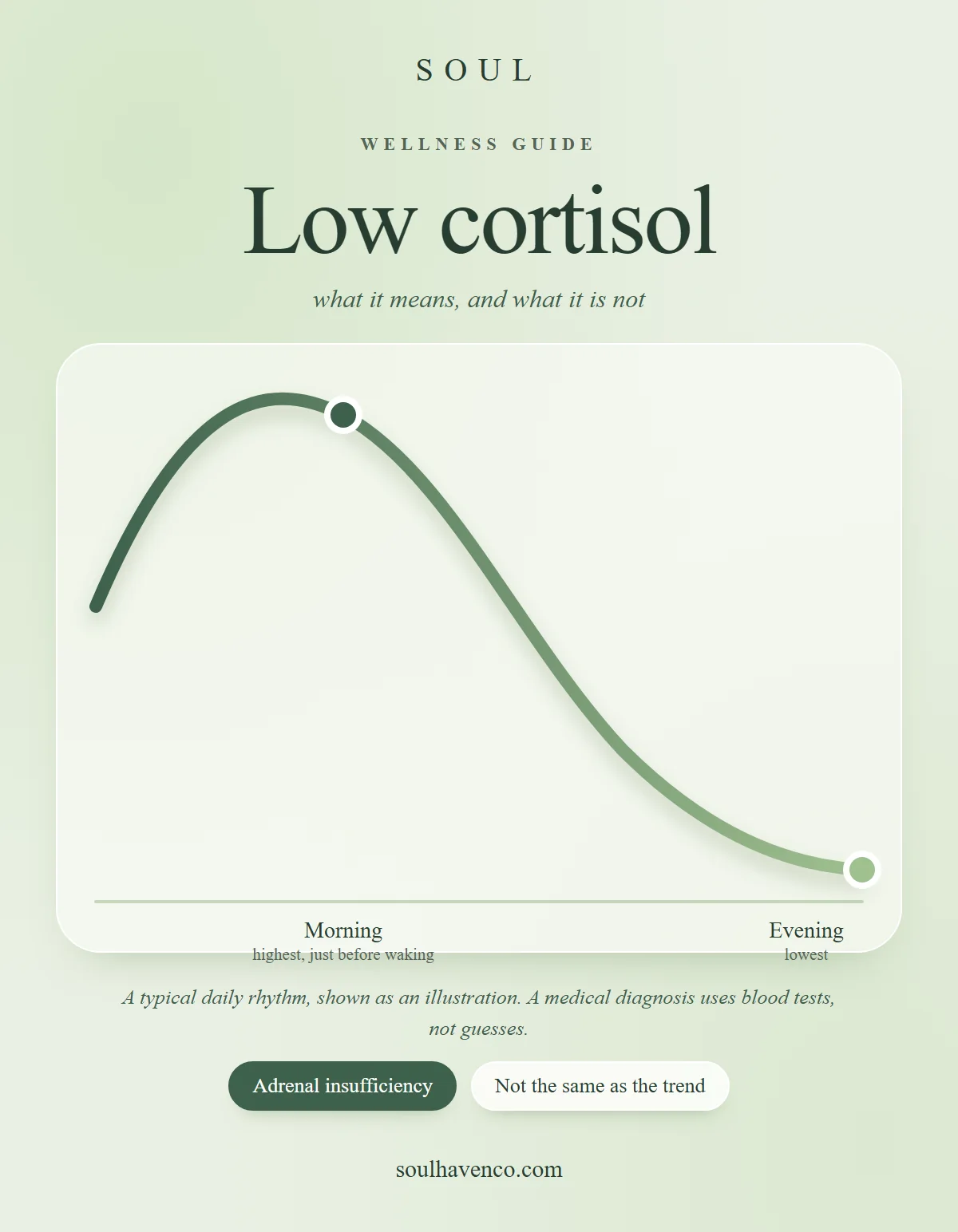
Our general guides on stress and cortisol and falling asleep are not perimenopause treatments, but sleep and stress feed into how you feel, so they are worth a read if those are your main complaints.
At what age does perimenopause start?
It usually starts in your 40s, though some women notice changes in their late 30s and others not until their 50s. The age varies, so there is no exact answer for any one person. If periods stop or become very irregular much earlier than that, ask a doctor to check for other causes, including early menopause, rather than assuming it is perimenopause.
How long does perimenopause last?
There are three different answers, because the sources measure different things:
| What is measured | Typical length | Source |
|---|---|---|
| The late transition stage (60+ days without a period) | About 1 to 3 years on average | STRAW+10 staging report |
| Symptoms overall | Usually 7 to 9 years, sometimes longer | NHS |
| Frequent hot flashes and night sweats | Median 7.4 years in total, and 4.5 years after the final period | SWAN study |
These measure different things, so they do not contradict each other.
The SWAN study followed 1,449 women with frequent hot flashes and night sweats. In summaries of the study, the median length varied widely between groups, from about 4.8 years among Japanese women to about 10.1 years among African American women. The authors pointed out that this is much longer than the 3 to 5 years older patient information often suggested. Your own experience can fall anywhere in that range.
Perimenopause vs menopause
| Stage | What defines it | Can you get pregnant? |
|---|---|---|
| Perimenopause | Cycles become variable, then you skip periods; symptoms may start | Yes, less predictably |
| Menopause | 12 months in a row with no period | Very unlikely, but keep using contraception for the time the NHS advises |
| Postmenopause | Everything after menopause; some symptoms can continue | No |
Contraception advice is in the next section.
Can you still get pregnant in perimenopause?
Yes. The NHS says you can still become pregnant during perimenopause, and that you need contraception until 2 years after your final period if you are 40 to 49, or 1 year after if you are 50 or over. Hormonal contraception can also hide the signs: the progestogen-only pill, implant, injection and IUS can make periods irregular or stop them, which makes it harder to tell where you are. The combined pill is not recommended from age 50, because its risks generally outweigh its benefits, and a GP may suggest a progestogen-only option instead.
Is there a perimenopause test?
There is no single test that confirms perimenopause. The staging report says the cycle criteria matter most and that hormone measurements "should not be interpreted as required for diagnosis". Its one numerical marker is a follicle-stimulating hormone (FSH) level above 25 IU/L in a random blood sample for the late transition, and it is described as supportive only. In practice, hormone levels swing from day to day in perimenopause, so a normal result on one day does not rule it out. Your age, your changing cycle and your symptoms tell a doctor more than a blood test.
Home test kits that measure hormones in urine face the same limit: they capture one moment in a fluctuating pattern.
Perimenopause treatment options
The 2026 American College of Physicians guideline covers hot flashes and night sweats, and lays out an order of options to discuss with a doctor:
- First choice (strong recommendation): hormone therapy. This means estrogen combined with a progestogen if you have a uterus, or estrogen alone if you do not.
- Second choice (suggested): the antidepressants venlafaxine or desvenlafaxine, for women who cannot take hormone therapy or do not tolerate it.
- Third choice: other medicines, including the antidepressants escitalopram or paroxetine, gabapentin, and a newer class of drugs called neurokinin receptor antagonists (elinzanetant, fezolinetant), for women who cannot use the first two.
The guideline stresses shared decision-making: benefits, risks, your health history and your preferences all count. It notes that clinicians commonly avoid starting estrogen after age 60 or more than 10 years after the final period, and often limit use to 3 to 5 years, and that a history of cardiovascular disease, certain cancers, stroke or blood clots can change the balance. Estrogen can also change bleeding patterns. Whether any of this applies to you is a conversation for your own doctor, not for a website.
The guideline is about hot flashes and night sweats. It does not cover every symptom in the list above, and it does not make claims for supplements. We have not found evidence strong enough to cite here for any particular supplement, so we do not recommend one. If you are tempted by an expensive supplement, ask your doctor or pharmacist first.
When to see a doctor
You can see a doctor about perimenopause at any time. The NHS lists these as reasons to book a non-urgent appointment:
- You have symptoms and want to talk about your options.
- You have palpitations.
- You still have periods but are bleeding more than before.
- You have not had a period for 12 months or more and then have any vaginal bleeding.
- You have bleeding or spotting after menopause, even if it happened once, was light, or looked pink or brown.
- You are on HRT and still have irregular or heavier bleeding after 6 months.
Heavy bleeding with dizziness, fainting or severe pain needs prompt medical attention.
How to prepare for the appointment
- Write down your period dates for the last few months, including skipped months and heavy ones.
- List your symptoms and how much each one affects sleep, work and mood, including skin, hair and mouth changes.
- Note your medicines and contraception, and any family history of breast cancer, blood clots or heart disease.
- Write your questions, such as which options fit your history, and what to expect over the next year.
If you like to plan a week around how you feel, our guide to planning outfits for the week is a small way to take one decision off a tired morning. It is not a treatment.
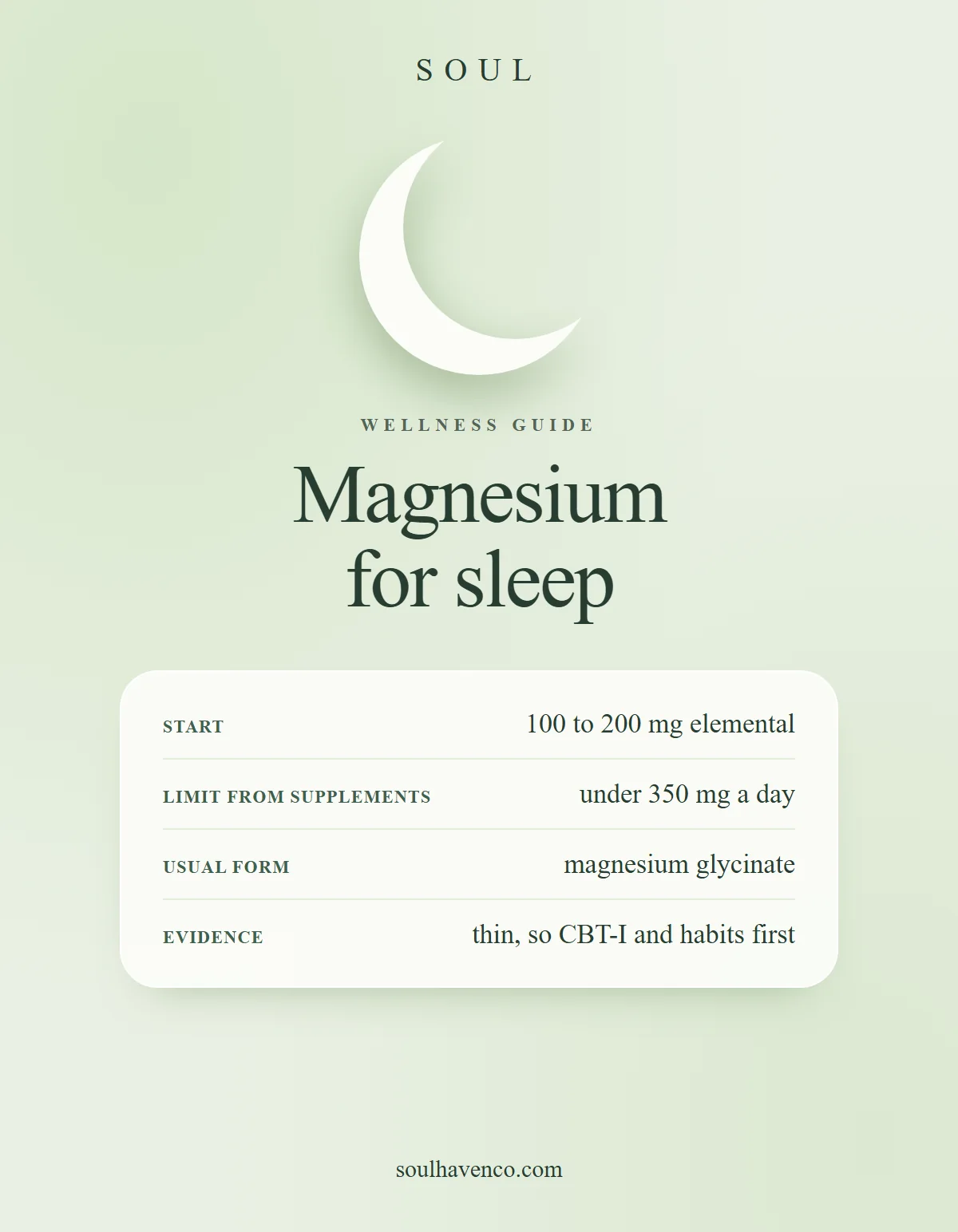
Read next: Low Cortisol: Symptoms, Causes and Testing · Magnesium for Sleep: Does It Work, and Which Kind?
Questions people ask about this
What are the first signs of perimenopause?
Changes to your periods are the most reliable first sign: cycles that vary by a week or more, skipped months, or a heavier or lighter flow. Hot flashes, night sweats, poor sleep and mood changes often follow, though the order differs for everyone.
At what age does perimenopause start?
Usually in your 40s, though some women notice changes in their late 30s and others in their 50s. If your periods stop or change a lot much earlier than that, ask a doctor to check for other causes.
How long does perimenopause last?
The late transition stage averages 1 to 3 years, but symptoms overall usually last 7 to 9 years according to the NHS. In the SWAN study, frequent hot flashes lasted a median of 7.4 years.
Can you get pregnant during perimenopause?
Yes. The NHS says you need contraception until 2 years after your final period if you are 40 to 49, or 1 year after if you are 50 or over.
Is there a test for perimenopause?
No single test confirms it. Doctors rely on your age, your cycle and your symptoms, and hormone tests are supportive only because levels change from day to day.
What is the difference between perimenopause and menopause?
Perimenopause is the transition, when your cycle changes and symptoms can start. Menopause is confirmed after 12 months in a row with no period, and everything after is postmenopause.
Can perimenopause cause anxiety and low mood?
Yes. The NHS lists low mood, anxiety, poor memory and poor concentration among the symptoms, and poor sleep can add to them. If they are hard to manage, tell your doctor.
What is the best treatment for perimenopause symptoms?
For hot flashes and night sweats, a 2026 American College of Physicians guideline recommends hormone therapy first, with other medicines as second and third choices. The right option depends on your health history, so it is a decision to make with a doctor.