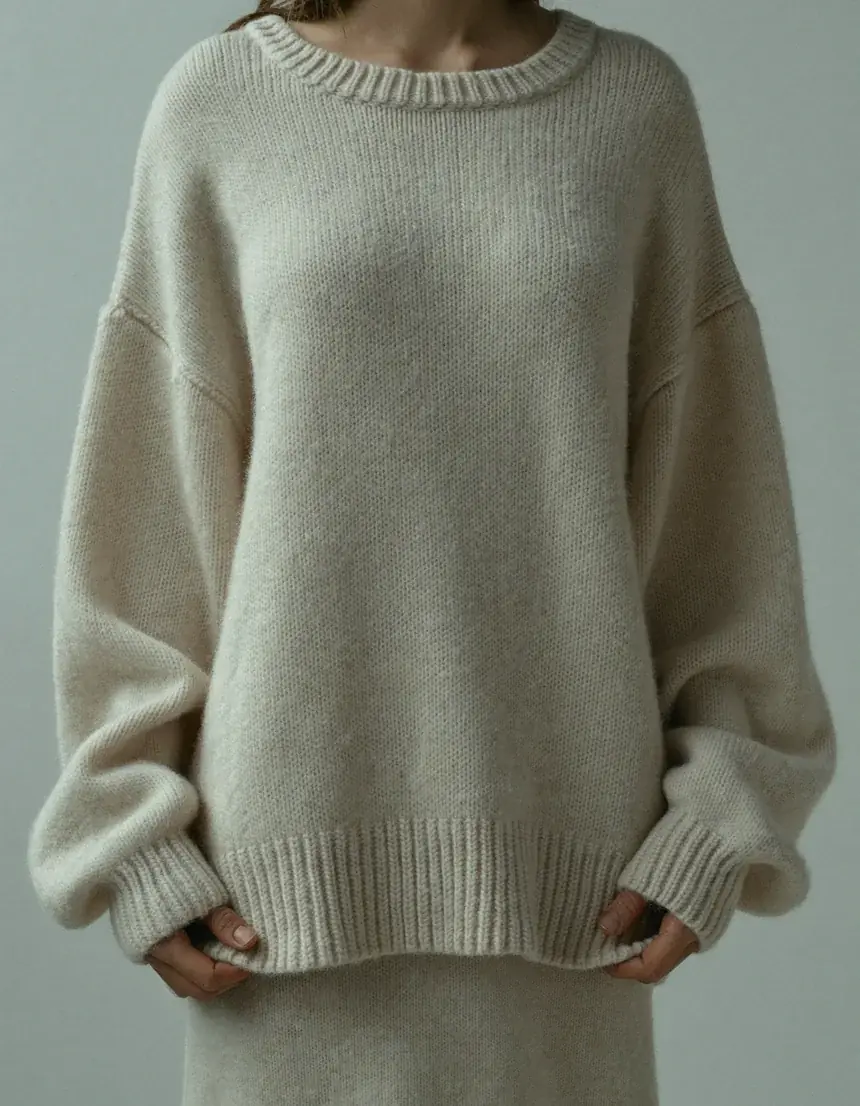
How to plan outfits for the week, using only what you already own
Sunday outfit plans fail when they are made for an imaginary week. A 20-minute method that starts from your calendar, plus the three fallbacks that save Thursday.

The short answer
Plan from your calendar, not your closet: one line per day with the job and one condition.
- Plan from your calendar, not your closet: one line per day with the job and one condition.
- Pull a working rack of ten to fifteen clean pieces; nothing has to leave your home.
- Use three or four repeatable formulas, and check the week for laundry collisions on Sunday.
- Try each new combination once with the real shoes, then write three fallbacks with exact pieces.
Most outfit planning goes wrong on Sunday evening, and it goes wrong the same way: you plan for the week you wish you were having. Five polished looks, one per day, each built around a piece you have been meaning to wear. Then Tuesday brings a longer walk than you remembered, Wednesday’s top is still damp, and by Thursday you are standing at the wardrobe in a towel, deciding from scratch again.
The fix is not a better set of outfits. It is planning from different information: the days you actually have, the pieces that will actually be clean, and the shoes you can actually walk in. Done that way, a whole week takes about twenty minutes and survives contact with real life.
Start with the calendar, not the closet
Open your calendar before you open the wardrobe. For each day, write down two things: the main job the outfit has to do, and one condition that matters. “Desk, then groceries — long walk home.” “Client lunch — cold restaurant.” “Home all day — two video calls.” That is the brief, and it is far more useful than a mood board, because it tells you what the outfit must survive rather than what it should look like.
| Day type | What the outfit must do | The usual mistake |
|---|---|---|
| Work or study | Match the real dress code; stay comfortable sitting down | Dressing for the meeting and forgetting the commute |
| Walking and errands | Work with your route, your bag and trusted shoes | Choosing the shoes last |
| Home, with calls | Look right from the chest up; move freely | Changing three times for one call |
| Plans with others | Suit the venue, the journey there and the weather | Planning for the photo, not the evening |
| Uncertain | Leave room for a layer or a full swap | No plan B at all |
Write the condition that matters most, not every condition. One line per day is enough.
Pull a working rack, not a capsule
Next, pull the pieces that can do this week’s jobs onto one rail or one chair. For most people that is ten to fifteen pieces including shoes. This is not a capsule wardrobe, and nothing has to leave your home: it is simply the shortlist you will plan from, so you are choosing from fifteen things instead of a hundred and fifty.
Start with three to five favorites you wore recently and felt good in, then fill the gaps your calendar reveals. If a piece needs a repair or is waiting for the laundry, set it aside for now. It can come back next week. If you want the longer version of this idea, our piece on a capsule wardrobe that actually works builds the same way, from a two-week calendar rather than a list.
Plan in formulas, not outfits
An outfit is a one-off decision. A formula is a decision you only make once: ivory shirt + navy trousers + walking trainers, or stripe + jeans + cardigan. Formulas repeat across the week without looking repetitive, because you change one piece at a time. They also make the plan resilient: when the shirt is not clean, you swap in another top and the formula still works.
Three or four formulas usually cover a whole week. We wrote a separate guide to outfit formulas with twelve that work in most closets.
Check the week for laundry collisions
This is the step almost everyone skips, and it is the one that breaks Thursday. Look across the week at any piece you have planned more than once. Will it realistically be clean and dry in time? A shirt planned for Monday and Wednesday is fine if you wash midweek; a knit planned three times in five days probably is not.
A simple habit helps: give each piece a rough number of wears you are happy with before it needs care, and a day when it will be ready again. You do not need to be precise. The point is to see the collision on Sunday rather than discover it on Thursday morning. Always follow the care label on the garment itself; the care symbols tell you what the fabric can take.
Try on the whole outfit once, shoes included
Every new combination gets one try-on before it goes into the plan, with the real shoes, the underlayers and the bag you actually carry. Then do five quick moves: sit, reach, walk, carry and layer. Anything you find yourself tugging at gets swapped now, while it costs nothing, instead of annoying you all day. Your body is never the thing being graded here: the question is only whether these clothes do this day’s job.
Write three fallbacks
A fallback is what saves a plan when the day changes, and it only works if it names exact pieces. “Something comfortable” just moves the decision to 7:40 on a busy morning.
| What changed | A fallback that works |
|---|---|
| The top is not clean | Keep the bottom and shoes; name a ready top that already works with them |
| The route got longer | Your most trusted walking shoe, and a hem that clears it |
| The room is colder | The one layer that fits over the whole outfit |
| The plan changed | A complete outfit for the new dress code |
| You are tired | The formula with the fewest adjustments |
The twenty-minute Sunday routine
- Five minutes: the calendar. One line per day: the job and the condition.
- Five minutes: the rack. Pull ten to fifteen pieces that are clean and fit.
- Five minutes: the formulas. Assign a formula to each day; check for laundry collisions.
- Five minutes: the fallbacks. Write three, with exact pieces.
Then leave the plan somewhere you will see it at 7:40 — the inside of the wardrobe door works. After the week, note one thing: what you actually repeated happily. That is your best formula, and it is worth keeping.
This is the method our Wear-Again Edit is built around, hosted by Camille, SOUL’s style host, who appears in the photographs on this page. It adds a fourteen-day planner, a fillable workbook and cut-out formula cards, but everything above works with a notebook and a pen.
Questions people ask about this
How do I plan outfits for the week?
Start with your calendar: write each day's main job and one condition that matters. Pull ten to fifteen clean pieces that can do those jobs, assign a simple formula to each day, check that nothing is planned more often than it can be washed, and write three fallbacks with exact pieces.
How many clothes do I need for a week of outfits?
Usually ten to fifteen pieces including shoes, chosen for the week you actually have. Three or four repeatable formulas built from them will cover most weeks.
Is it bad to repeat outfits in the same week?
No. Repeating a combination you like is the point of planning. Change one piece, such as the shoes or the layer, if you want a day to feel different.
What is an outfit fallback?
A complete alternative outfit, named piece by piece, for when something changes: the top is not clean, the weather turns, or the plan changes. Vague fallbacks do not help in the morning.
How long should weekly outfit planning take?
About twenty minutes once you have done it a couple of times: five minutes each for the calendar, the rack, the formulas and the fallbacks.