Deep core exercises: how to find and train the muscles under your abs
How to find your deep core muscles, then nine exercises from core breathing to side planks, with a 10-minute routine and the signs you are doing it wrong.
The short answer
Deep core exercises train the muscles under your six-pack: the transversus abdominis, pelvic floor, diaphragm and multifidus. Start by finding the muscles: breathe out and gently draw your lower belly in and up while lifting your pelvic floor. Progress from core breathing and pelvic floor squeezes to heel slides, dead bugs, bird dogs and side planks.
- Pelvic floor work shows its best results after three to six months; see a physiotherapist for leaking, pain or a gap in your abs.
Deep core exercises train the muscles underneath your six-pack, not the six-pack itself. Those muscles rarely show, so they are easy to skip, and they are what hold your spine steady, support your pelvic organs and manage the pressure inside your abdomen every time you lift, laugh or cough. Most people do not need harder ab work; they need to find these muscles first. This guide shows you how, then gives nine exercises in a sensible order.
What is the deep core?
Think of it as a cylinder around your middle. A review of the transversus abdominis describes the deepest abdominal muscle, the pelvic floor and the multifidus as an "anatomical girdle" that steadies the spine. With the diaphragm, it makes four walls:
- Transversus abdominis (the front and sides): the deepest abdominal muscle, running across your middle like a corset.
- Pelvic floor (the base): the muscles that support your bladder, bowel and uterus.
- Diaphragm (the roof): your main breathing muscle, under your lungs.
- Multifidus (the back): small muscles along the spine.
These muscles work together. When you breathe in, the diaphragm moves down and the pelvic floor relaxes slightly; when you breathe out, both lift. That is why breathing comes first in every good deep core routine.
How to find your deep core
- Lie on your back with your knees bent and your feet flat.
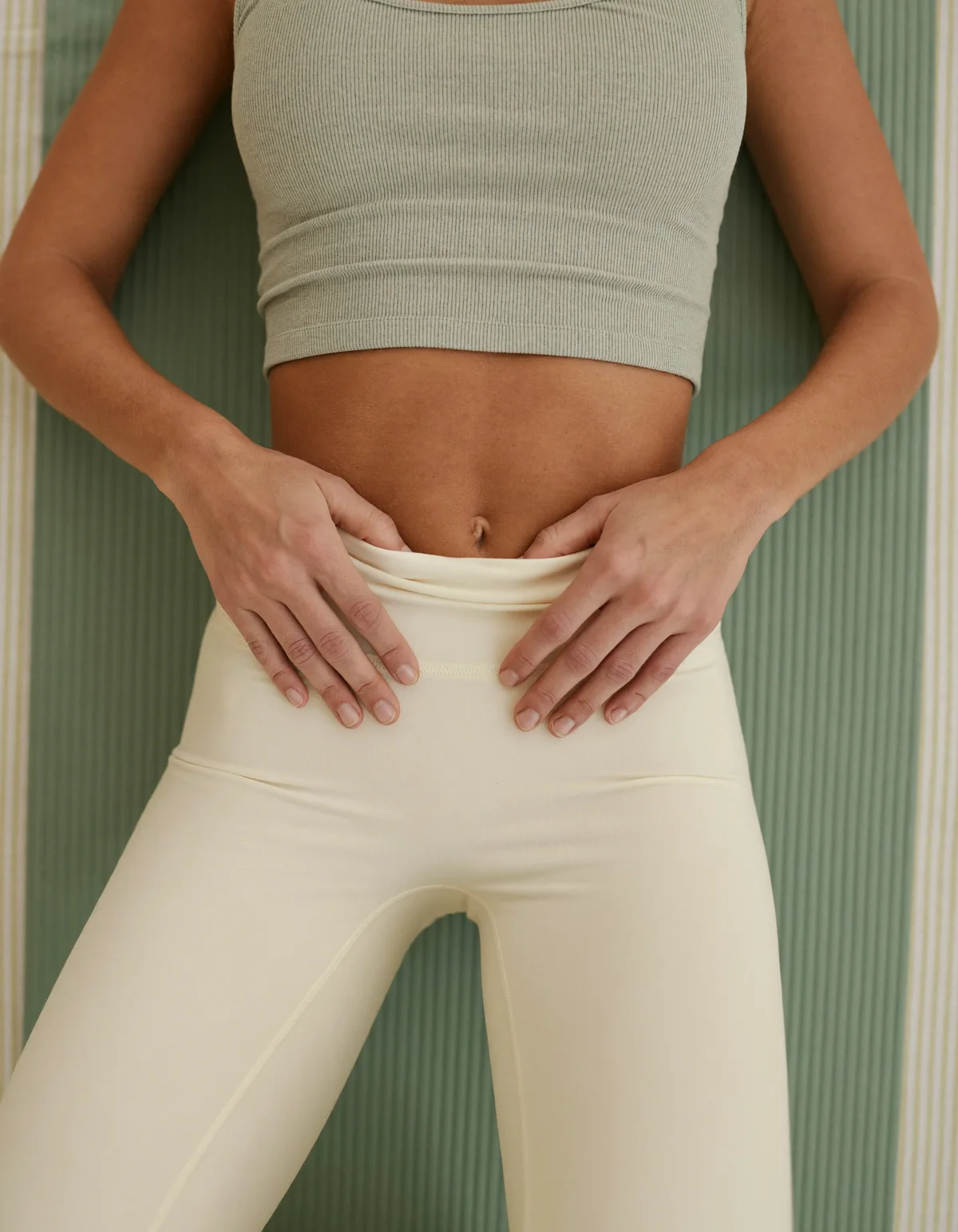
- Put your fingertips just inside your hip bones, on the front of your lower belly.
- Breathe out slowly through pursed lips, as if blowing through a straw, and gently draw your lower belly in and up, away from your waistband.
- Feel for a slight firming under your fingers, without your back flattening or your ribs moving. That is your transversus abdominis.
- Add the pelvic floor. The NHS describes it as squeezing as if you were stopping wind and stopping the flow of urine at the same time, without clenching your buttocks or legs.
If your stomach pushes out, bulges along the middle, or you hold your breath, ease off. The aim is about a third of your maximum effort, not a hard suck-in.
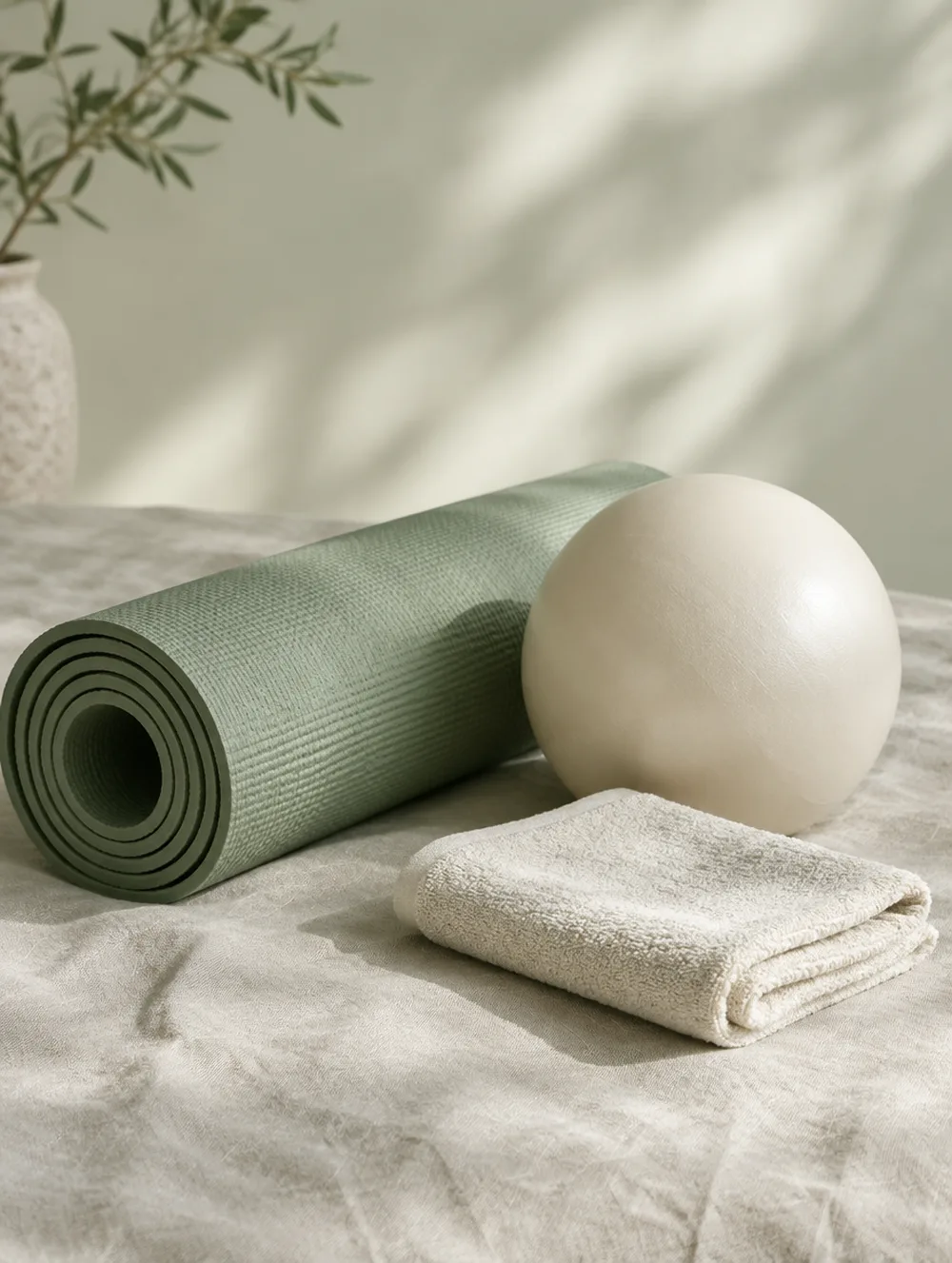
9 deep core exercises, from easiest to hardest
| Exercise | How to do it | Reps |
|---|---|---|
| 1. Core breathing | Lie on your back. Breathe in so your ribs widen to the sides; breathe out and gently lift your pelvic floor and lower belly. | 10 slow breaths |
| 2. Pelvic floor squeezes | Long squeezes held up to 10 seconds, then quick squeezes released straight away, as NHS leaflets advise. | Up to 10 of each, 3 times a day |
| 3. Heel slides | On your back, hold the gentle brace and slowly slide one heel away until the leg is straight, then back. | 8 to 10 each side |
| 4. Bent-knee fall-outs | Let one knee fall slowly out to the side and return, without your pelvis rocking. | 8 to 10 each side |
| 5. Glute bridge | Breathe out, brace, and lift your hips until your body is straight from knees to shoulders. | 10 |
| 6. Dead bug | On your back, arms up and knees over hips; lower the opposite arm and leg slowly, keeping your lower back still. | 6 to 8 each side |
| 7. Bird dog | On hands and knees, reach one arm and the opposite leg out long without your hips tipping. | 6 to 8 each side |
| 8. Side plank from the knees | On one forearm with knees bent, lift your hips and hold a straight line. | 15 to 30 seconds each side |
| 9. Pallof press | Standing side-on to a band, press it straight out and resist the pull to turn. | 8 to 10 each side |
Move to the next exercise only when the one before feels steady and you can breathe normally throughout.
How often, and how long until it works?
Pelvic floor exercises are designed to be done every day. NHS guidance on pelvic floor exercises for women suggests long and quick squeezes three times a day and says the best results come after three to six months, then to keep going for life. For the rest of the routine, two or three sessions a week of 10 to 15 minutes is a realistic start; strength work generally shows within weeks, not days.
A 10-minute deep core routine
Put the exercises together like this, two or three times a week. Rest as long as you need between moves; quality matters far more than pace.
- Core breathing: 10 slow breaths to find the muscles.
- Heel slides: 8 each side.
- Glute bridge: 10, breathing out as you lift.
- Dead bug: 6 each side, slowly.
- Bird dog: 6 each side, pausing at full reach.
- Side plank from the knees: 20 seconds each side.
Keep the pelvic floor squeezes separate and do them through the day: after brushing your teeth, at a red light, while the kettle boils. Once the routine feels easy, replace heel slides with the Pallof press and lengthen the side plank before adding anything heavier.
Signs you are doing it wrong
- Holding your breath or straining as if on the toilet. Breathe out on the effort.
- A ridge or doming down the middle of your stomach as you lift your head or legs. Make the move easier.
- Your back arching off the floor in dead bugs. Shorten how far your arm and leg travel.
- Pain, leaking or heaviness in your pelvis. Stop, and see a pelvic health physiotherapist.
After pregnancy, and with a gap in your abs
After pregnancy, a gap between the two halves of the front abdominal muscle (diastasis recti) is common. Gentle breathing, pelvic floor work and the early exercises above are usually where rehabilitation starts, but the right progression depends on you. A pelvic health physiotherapist can check the gap and your pelvic floor and tell you when to move on to harder work. The same applies if you leak when you cough, sneeze or exercise; our guide to period underwear covers leak-proof options while you work on it.
Deep core vs standing core work
Deep core exercises teach the muscles to switch on; standing core exercises teach them to work while you move, carry and balance. Do these first if you are new, recovering, or have pelvic floor symptoms, then add standing work. A vibration plate adds challenge to some moves but is not needed for any of them.
General information, not medical advice. If you are pregnant, recovering from surgery or an injury, or have a heart, bone, eye or neurological condition, ask your doctor before starting a new kind of exercise.
Read next: Pilates Socks: Do You Need Grip Socks?
Questions people ask about this
What are deep core muscles?
The transversus abdominis (the deepest abdominal muscle), the pelvic floor, the diaphragm and the multifidus along the spine. Together they steady the spine and manage pressure inside the abdomen.
What is the best exercise for the deep core?
Core breathing with a gentle pelvic floor lift is the foundation. After that, heel slides, dead bugs and bird dogs train the deep core to hold steady while your arms and legs move.
How do I know if I am engaging my deep core?
With fingertips just inside your hip bones, breathe out and gently draw your lower belly in and up. You should feel a slight firming, with no bulging, breath-holding or back movement.
How long does it take to strengthen the deep core?
NHS guidance says pelvic floor exercises give their best results after three to six months of daily practice. Other core strength usually improves within a few weeks of regular work.
Are deep core exercises safe after pregnancy?
Gentle breathing and pelvic floor exercises are usually where recovery starts. A pelvic health physiotherapist can check for diastasis recti and advise when to progress.