Electric toothbrushes: the expensive features are not the ones that work
A timer and a pressure sensor change outcomes. App connectivity and cleaning modes mostly do not — and the technique problem no brush can fix for you.
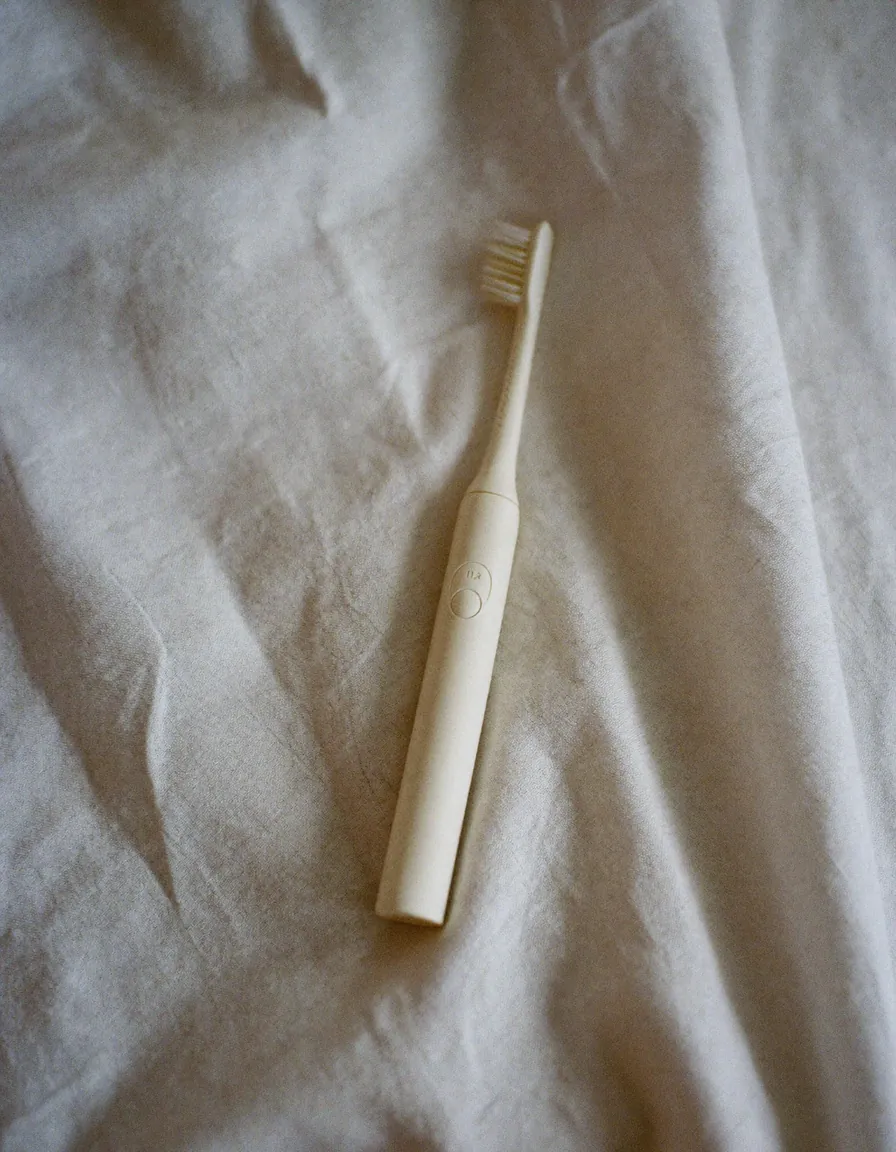
Electric toothbrushes are sold on a feature list, and the list is ordered almost exactly backwards. The two features that change outcomes are cheap and go unmentioned; the expensive ones are mostly a user interface for a habit.
The two that matter
A timer. Almost everyone under-brushes. Two minutes feels considerably longer than people estimate, and a brush that signals at thirty-second intervals moves you from “about a minute, mostly the front teeth” to actual coverage. This is the single largest real-world difference and it costs a manufacturer almost nothing.
A pressure sensor. Hard brushing does not clean better; it abrades enamel and, more commonly, pushes the gum line back. Gum recession does not grow back. A sensor that warns or throttles when you press too hard is protecting something you cannot replace, and heavy-handed brushers are usually unaware they are one.
The ones that mostly do not
Cleaning modes. Most people pick one and never change it. Whitening modes do not whiten — stain removal is mechanical and marginal, and intrinsic tooth colour is unaffected by any brush.
App connectivity and mapping. Genuinely useful for a short period if you have a specific technique problem, and then almost universally abandoned. Do not pay a large premium for a feature whose value depends on you opening an app twice a day for years.
Sonic-versus-oscillating. Both work. The evidence favouring either over the other is much weaker than the marketing, and both comfortably beat a manual brush used the same way. Pick on comfort and noise rather than on the mechanism.
What no brush fixes
Technique and coverage. The surfaces people miss are consistent: the inside of the lower front teeth, the back of the last molars, and the gum line at an angle rather than straight on. An electric brush does the scrubbing motion for you; it does not move itself to the places you skip.
And it does nothing between teeth, which is where a large share of decay starts. Interdental brushes or floss do that job and no brush head reaches it. A cheap brush plus interdental cleaning beats an expensive brush without it, every time.
A three-sided head is one of the few genuinely mechanical answers here: it addresses coverage rather than adding a mode, by brushing the inner and outer surfaces in the same pass. Whether that suits you depends on your mouth, which is the honest caveat.
Running costs, which decide the real price
Heads are the cost, not the handle, and they are where brands make their margin. Replace every three months or when the bristles splay — a splayed head cleans measurably worse. Before buying, check what a year of replacement heads costs for that model, because an inexpensive handle with expensive proprietary heads is frequently the pricier option over three years.
Battery life matters more than it sounds if you travel: a brush that needs its base every few days is a brush you will leave at home.
Questions people ask about this
What features actually matter on an electric toothbrush?
A two-minute timer with interval prompts, and a pressure sensor. The timer fixes under-brushing, which is near-universal, and the sensor protects against gum recession from brushing too hard — which does not grow back. Both are inexpensive to build and rarely lead the marketing.
Is sonic better than oscillating?
The evidence favouring either is much weaker than the advertising suggests, and both comfortably beat a manual brush used the same way. Choose on comfort, noise and head cost rather than on the mechanism.
Do whitening modes on toothbrushes work?
Not in the way the name implies. Any effect is mechanical surface-stain removal and it is marginal. The intrinsic colour of a tooth is not changed by brushing at all, whatever mode is selected.
Does an electric toothbrush replace flossing?
No. No brush head reaches between teeth, and that is where a large share of decay begins. Interdental brushes or floss do a job an electric brush cannot — a cheap brush plus interdental cleaning beats an expensive brush without it.
How often should you replace the head?
Every three months, or sooner if the bristles splay, because a splayed head cleans measurably worse. Check the annual cost of replacement heads before buying: a cheap handle with expensive proprietary heads is often the more expensive option over three years.