“Natural” personal care: the word is empty, the ingredient list is not
No legal definition sits behind “natural” or “clean” in cosmetics. What to read instead, where plant-based genuinely performs, and where it quietly does not.
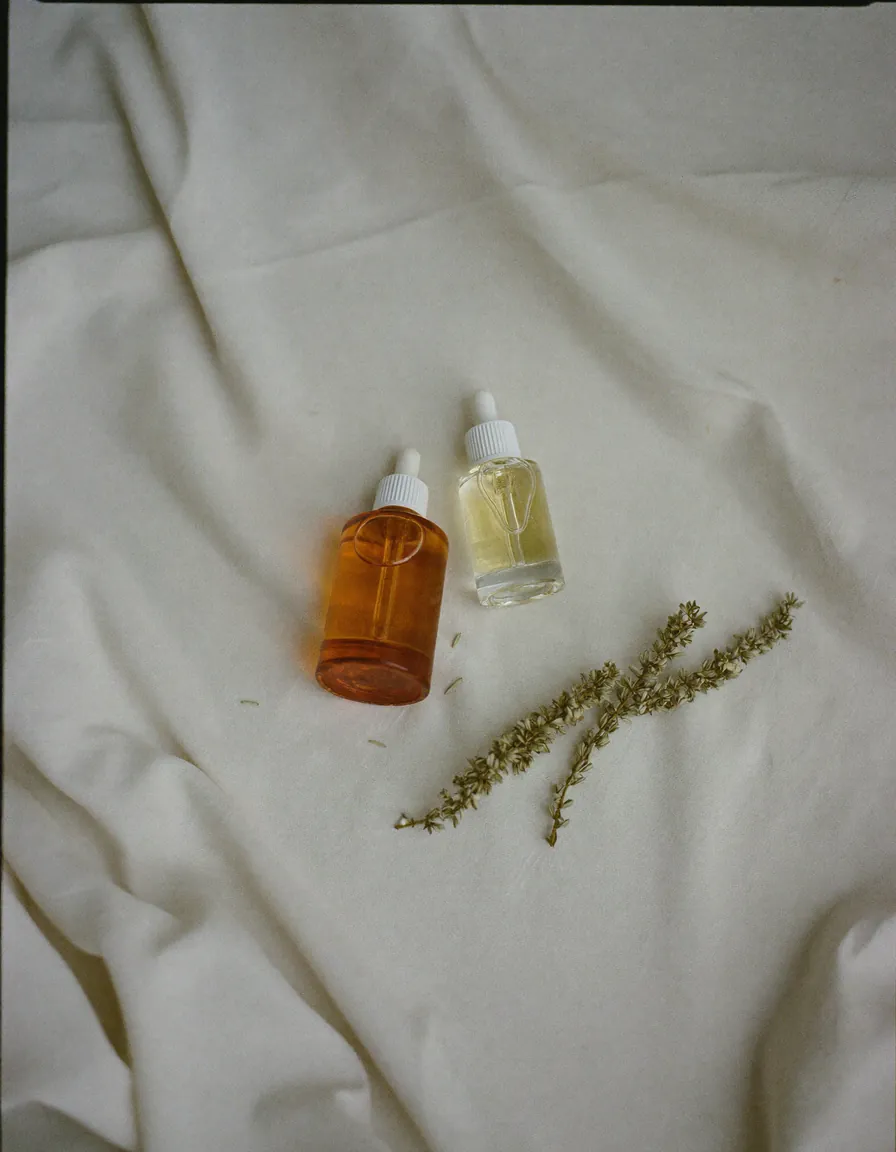
“Natural” has no legal definition in cosmetics. Neither does “clean,” “green” or “non-toxic.” Any product may carry any of them, containing anything. This is the same structural problem catalogued in which labels actually mean something, and it is at its worst in this category because the words carry the most emotional weight here.
Which does not make plant-based products bad. It makes the front of the packet uninformative, and moves the entire question to the ingredient list.
Natural is not a safety category
The assumed equation — natural is gentle, synthetic is harsh — does not hold in either direction. Many of the most common contact allergens in personal care are botanical: essential oils, citrus extracts and fragrance compounds derived from plants are among the more frequent causes of irritation. Meanwhile some of the gentlest, best-tolerated ingredients in skincare are synthetic, precisely because they were designed for tolerance rather than harvested.
“Fragrance-free” is a far more useful signal for sensitive skin than “natural,” and note that “unscented” is not the same thing — unscented products sometimes contain masking fragrance to cover a base smell.
Where plant-based genuinely performs
Occlusives and emollients. Plant oils and butters are good at what they do, the chemistry is well understood, and there is no performance gap worth paying to close — jojoba, squalane and shea do their job as well as anything.
Simple cleansing and body care, where the formulation demands are modest and a short ingredient list is genuinely achievable.
Anywhere you actively want fewer ingredients: fewer components means fewer candidates when something reacts, which is a real practical advantage regardless of their origin.
Where it quietly does not
Sun protection. Preservation — a water-containing product with no effective preservative system grows things, and that is a genuine safety issue rather than a purity one. And any claim to replicate the effect of a well-studied active; plant extracts marketed as alternatives to established actives are generally present at concentrations that do little.
What to read instead of the front
The ingredient list, and specifically the first five entries, which is roughly where the bulk of the formula sits. Then whichever specific thing you are actually avoiding — a fragrance allergy, an essential-oil sensitivity, a preference against a particular preservative — because “clean” will not tell you whether it is in there and the list will.
For a topical product the list genuinely is the product. That is what makes this corner of the category more honest than most: there is very little to hide behind once you turn the bottle over.
Questions people ask about this
Is “natural” regulated in cosmetics?
No. Neither "natural", "clean", "green" nor "non-toxic" has a legal definition in cosmetics, so any product may carry any of them while containing anything. The ingredient list is the only part of the packaging that constrains the manufacturer.
Are natural ingredients gentler than synthetic ones?
Not reliably, in either direction. Several of the most common contact allergens in personal care are botanical — essential oils, citrus extracts and plant-derived fragrance compounds. Some of the best-tolerated skincare ingredients are synthetic, designed for tolerance rather than harvested.
What should I look for instead of “clean” or “natural”?
"Fragrance-free" is far more useful for sensitive skin — and note that "unscented" is different, since unscented products sometimes contain masking fragrance. Beyond that, read the first five ingredients, which is roughly where the bulk of the formula sits.
Where do plant-based products genuinely perform well?
Occlusives and emollients — plant oils and butters like jojoba, squalane and shea do their job as well as anything, with no performance gap worth paying to close. Also simple cleansing and body care, where formulation demands are modest and a short ingredient list is actually achievable.
Where does natural formulation fall short?
Sun protection, and preservation — a water-containing product without an effective preservative system grows microbes, which is a safety issue rather than a purity one. Also any plant extract marketed as a replacement for a well-studied active, which is usually present at a concentration that does little.