Expensive makeup vs drugstore: where the money goes, and where it does not
The formula gap is real but narrow, and it is not where most of the price difference sits. Which categories are worth paying up for, and which are almost entirely packaging.
The useful version of this question is not “is expensive makeup better.” It is “which parts of the price are formula and which are everything else,” because the answer differs enormously by category, and knowing where the line falls is worth more than any individual recommendation.
What the money is actually paying for
A finished cosmetic's retail price is mostly not its contents. In broad terms you are paying for the formula, the packaging, the marketing, the retail margin and the returns policy — and in prestige beauty the formula is usually the smallest of those. Component tooling for a weighted metal compact can cost more than what is inside it.
The industry structure matters here too. A relatively small number of contract manufacturers produce for brands at wildly different price points, which is why a drugstore and a prestige product can share a base formula with different pigment loads and different lids. This is not a scandal; it is how most consumer goods work. It just means the price is not a quality signal in the way the counter implies.
Where paying more genuinely gets you something
Complexion products — foundation and concealer. The clearest case. What you are buying is shade range and pigment dispersion, and both cost real money. A brand with sixty shades has spent on formulation that a brand with twelve has not, and a mismatched foundation looks worse than no foundation at any price. If you spend up in one category, spend here.
Anything worn for twelve hours. Wear time is a formulation problem — binders, film-formers, oil control — and it is genuinely easier to solve with a larger budget. Long-wear lip and eye products are where the difference is most visible by evening.
Anything near the eye, if you are sensitive. Not because expensive is inherently gentler, but because larger brands generally run more extensive tolerance testing and are more exposed if something goes wrong.
Where you are mostly buying a case
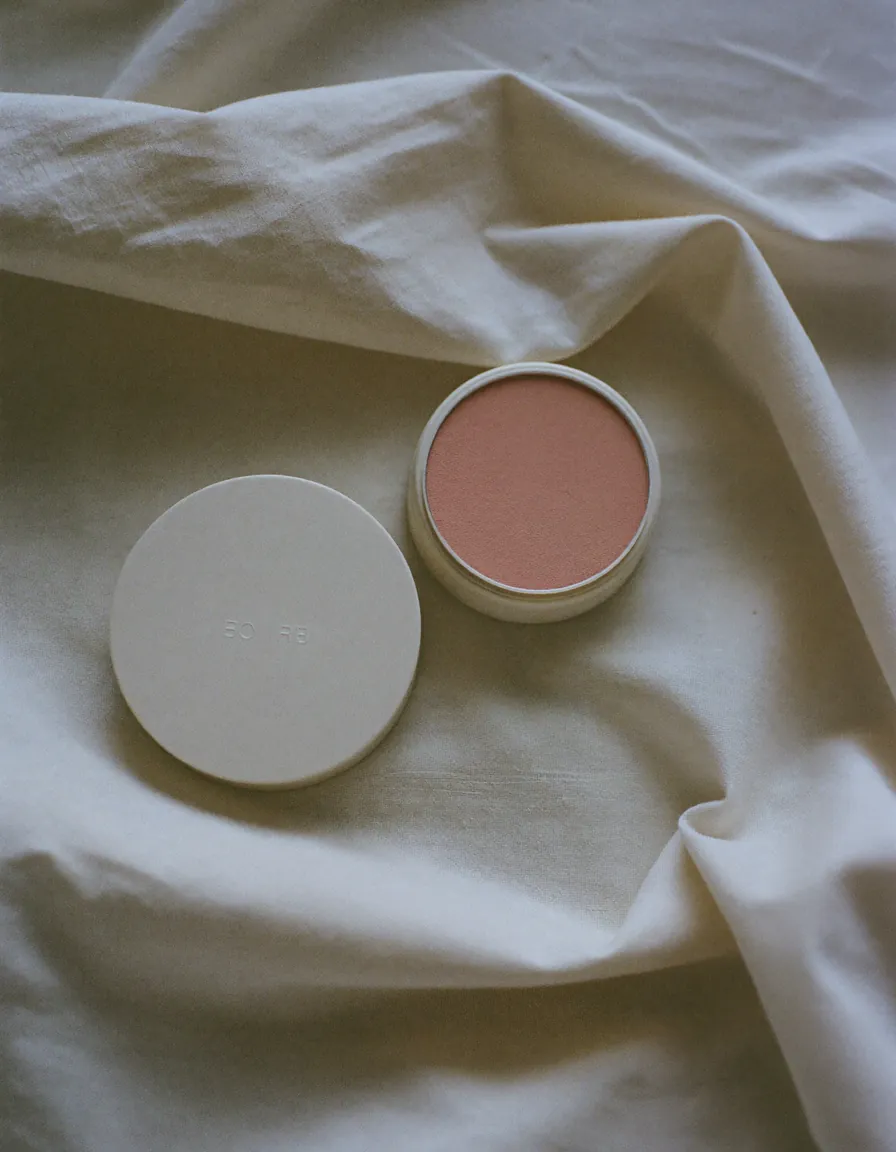
Powder products. Setting powder, blush, bronzer, most eyeshadow. The technology here is mature and cheap; pressed powder is not hard to make well. The difference at the top end is pigment intensity and how finely it is milled, which is real but small, and quickly swamped by how well the shade suits you.
Lipstick, largely. Bullet lipstick is an old, well-solved format. You are paying for the tube, the shade curation and the smell. A cheap lipstick in the right shade beats an expensive one in the wrong one, every time.
Anything trend-driven. A product you will use six times does not need to be good for twelve months.
Brushes are the inversion. This is the one place where mid-price is transformative and most people underspend. A decent brush makes cheap product look considerably better; a bad brush wastes expensive product. If you have a fixed budget, move money from product to tools.
The thing that outranks all of it
Undertone. A foundation, a blush or a lipstick that fights your undertone reads as wrong no matter what it cost, and one that matches reads as expensive even when it was not. The quick check: look at the skin on the inside of your forearm in daylight, not artificial light. Veins reading more green suggests warm, more blue or purple suggests cool, and genuinely ambiguous is neutral. Then test foundation along the jaw and check it in daylight rather than under shop lighting, which is designed to flatter.
That single habit is worth more than the entire price question above, and it costs nothing.
Questions people ask about this
Is expensive makeup actually better than drugstore?
It depends entirely on the category. Complexion products — foundation and concealer — and anything that has to last twelve hours are where formula and shade range genuinely cost money. Powders, most lipsticks and trend products are largely packaging, marketing and retail margin.
Which makeup is worth spending more on?
Foundation and concealer first, because shade range and pigment dispersion cost real money and a mismatched foundation looks worse than none at any price. Then long-wear lip and eye products, since wear time is a formulation problem. And brushes, which most people underspend on — a good brush makes cheap product look better.
Which makeup is not worth paying up for?
Powder products — setting powder, blush, bronzer, most eyeshadow — because pressed powder is a mature, inexpensive technology. Bullet lipstick, which is a well-solved format where you are largely buying the tube and the shade curation. And anything trend-driven you will use a handful of times.
Do drugstore and luxury brands use the same manufacturers?
Often, yes. A relatively small number of contract manufacturers produce for brands across very different price points, so a base formula can be shared with different pigment loads and different packaging. That is normal for consumer goods — it just means price is not the quality signal it is presented as.
How do I find my undertone?
Look at the inside of your forearm in daylight rather than artificial light. Veins reading more green suggests a warm undertone, more blue or purple suggests cool, and genuinely ambiguous is neutral. Test foundation along the jaw and check it in daylight — shop lighting is designed to flatter.