Gold chains: every type explained, and how to choose length, width and karat
Gold chain types explained, from rope and figaro to paperclip and herringbone, plus the right length and width, solid vs hollow, and which karat lasts.
The short answer
The classic gold chain types are cable, rope, curb, Cuban, figaro, paperclip, box, herringbone, snake and wheat. For a first chain, choose a curb, figaro or cable, medium width, 18 inches. Choose 14k solid gold for everyday wear; avoid hollow chains if you wear them daily.
- Store herringbone and snake chains flat: they kink and are hard to repair.
Gold chains come in a handful of classic link styles, and the right one depends on how you will wear it: alone or layered, with a pendant or without, every day or for evening. The other three decisions are length, width and karat. Here is every common type, what it is good for, and how to choose a chain that lasts.
Gold chain types
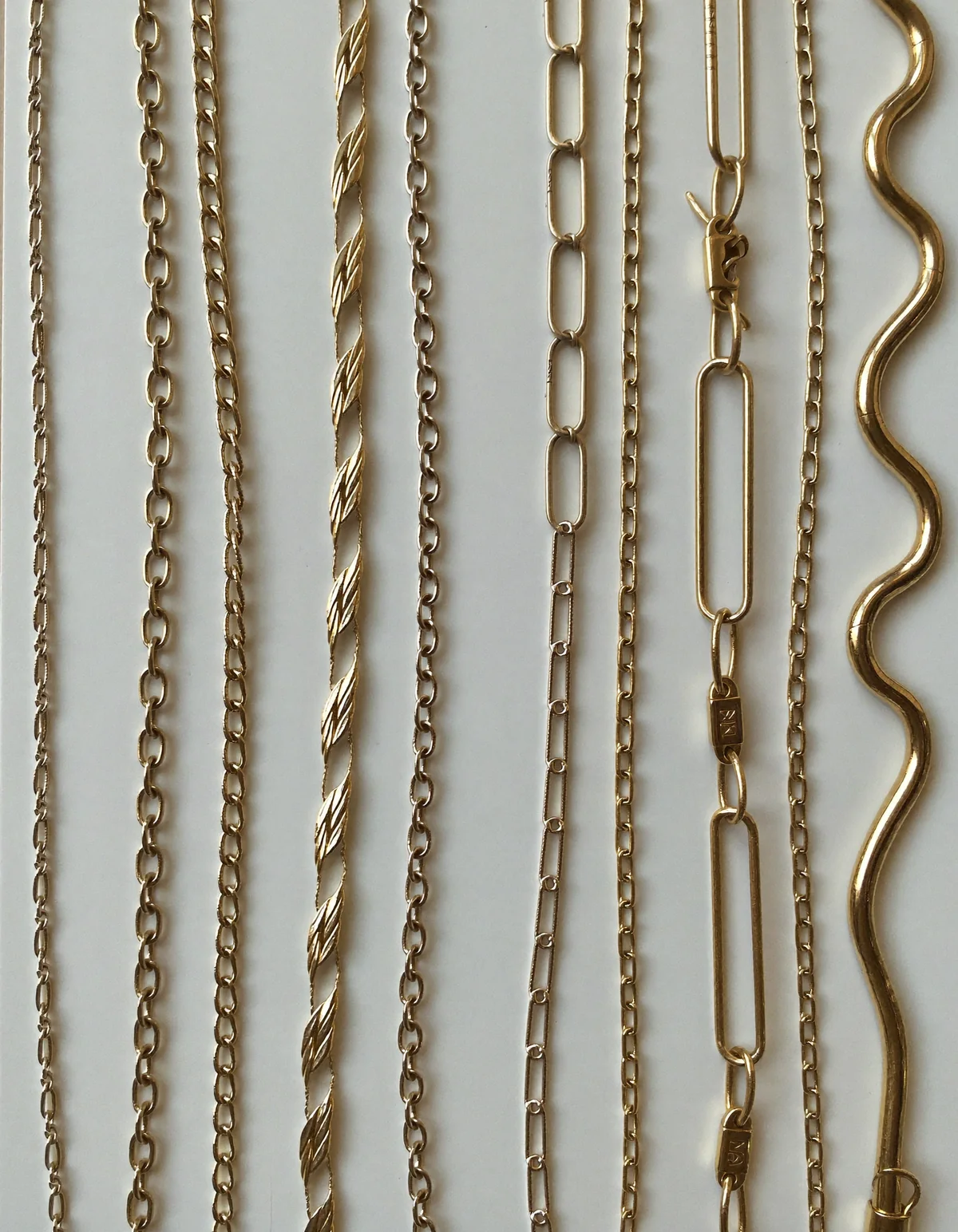
| Type | What it looks like | Best for | Watch out for |
|---|---|---|---|
| Cable | Simple oval links, the classic chain | Pendants, everyday wear | Very fine cables can snap |
| Rope | Strands twisted into a spiral | Wearing alone, catching light | Hollow ropes dent |
| Curb | Flat, interlocking links of equal size | Everyday and layering | Very little |
| Cuban | A heavier, rounded curb | A bold statement | Weight and price |
| Figaro | A pattern of short and long flat links | Wearing alone or layered | Very little |
| Paperclip | Long rectangular links | Layering, modern look, charms | Can catch on knits |
| Box | Square links joined at right angles | Pendants; strong for its size | Can feel stiff |
| Herringbone | Flat, liquid-looking slanted links | Wearing alone, a polished look | Kinks easily and is hard to repair |
| Snake | A smooth, flexible tube of tiny plates | A sleek look, small pendants | Kinks permanently if bent |
| Wheat | Twisted oval links in a braid | Pendants; strong and textured | Very little |
Herringbone and snake chains should be stored flat and never wound tightly.
Which gold chain should you buy first?
For one versatile chain, choose a curb, figaro or cable in a medium width at 18 inches. It works alone, with a small pendant and layered. Add a paperclip or rope later for layering, and save herringbone and snake chains for when you know you will look after them.
Gold chain length guide
| Length | Where it sits | Good for |
|---|---|---|
| 14 to 16 in (35 to 40 cm) | Close to the base of the neck, near the collarbone | Choker look, open necklines |
| 18 in (45 cm) | Just below the collarbone | The most common women's length; pendants |
| 20 in (50 cm) | A little below the collarbone | Crew necks, layering under an 18 in |
| 22 to 24 in (55 to 60 cm) | At or above the bust | Over sweaters, layering |
| 30 in and longer | Below the bust | Long layers, over knitwear |
Where a chain sits depends on your neck and build; measure a necklace you already like.
For layering, keep about 2 inches between each chain so they sit apart, and mix widths and link styles: a fine cable, a medium paperclip and a slightly heavier rope, for example.
Gold chain width
Width is measured in millimeters across the link. Under 2 mm reads as delicate and suits pendants; 2 to 4 mm is everyday and visible on its own; 5 mm and up is a statement. A heavier pendant needs a sturdier chain, so do not hang a large charm from a fine cable.
Solid, hollow, filled or plated?
- Solid gold is gold alloy all the way through. It costs most, but it can be repaired, resized and worn every day for decades.
- Hollow gold looks the same size for less gold, but it dents and is hard to repair. Fine for occasional wear.
- Gold-filled has a thick layer of gold bonded to a base metal: a good value choice.
- Gold-plated and vermeil have a thin layer that wears with time.
Our guide to gold vermeil vs gold-filled vs gold-plated explains the layers, and how to tell if gold jewelry is real covers stamps and tests.
Which karat is best for a chain?
For a chain you wear every day, 14k is the usual sweet spot: harder and more scratch-resistant than 18k, with a rich color. 18k is warmer and more valuable but softer, and 10k is the toughest and cheapest. Our 14k vs 18k guide and gold karat chart explain the difference.
Clasps
A lobster clasp is the most secure and easiest to open; a spring ring is common on fine chains but fiddly; a box clasp suits heavier chains. If a chain will hold a pendant you love, check the clasp and the jump ring as carefully as the chain.
How to care for a gold chain
- Take it off for swimming, the gym and sleep if it is fine or a herringbone or snake.
- Store chains separately and flat so they do not tangle or kink.
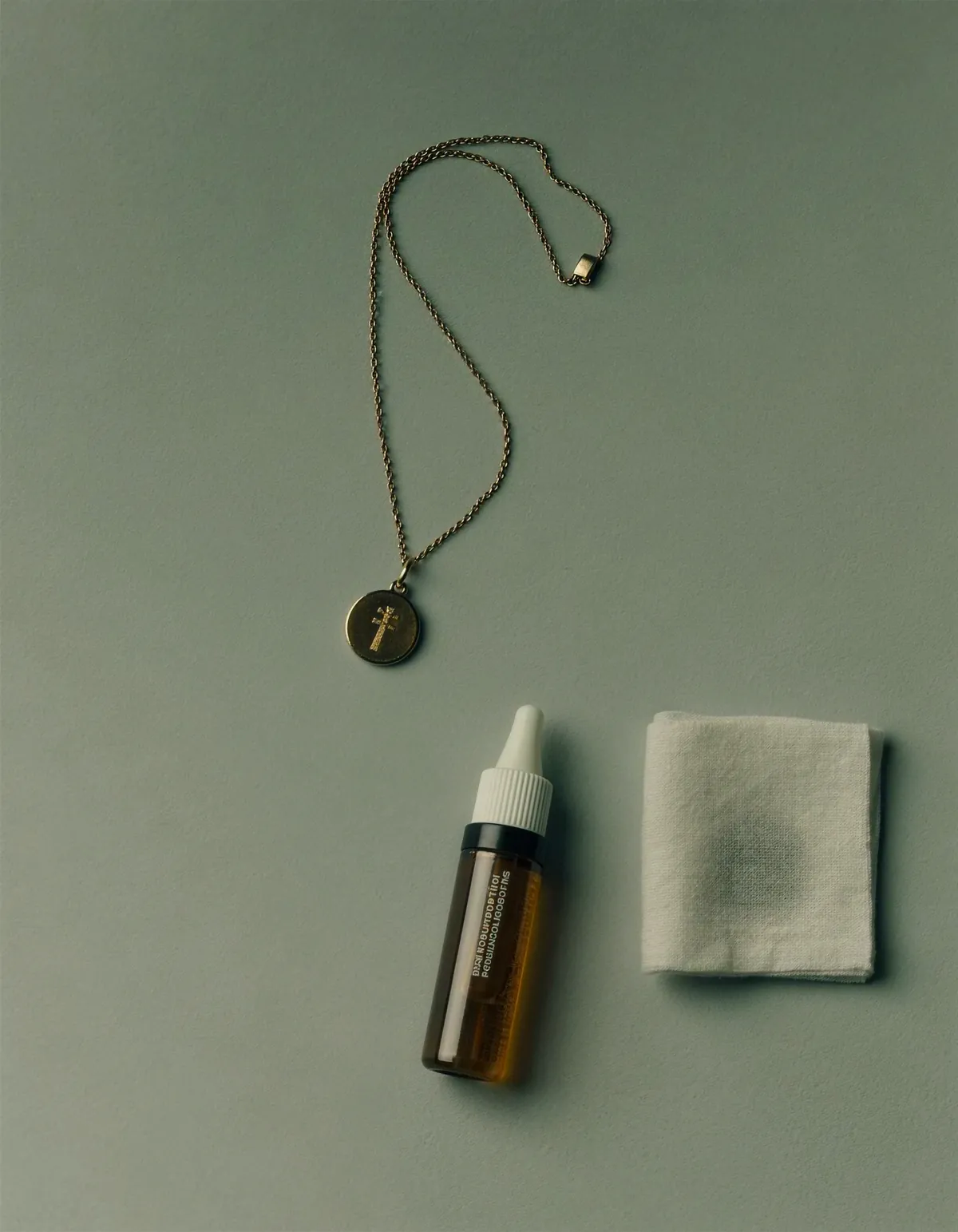
- Clean gently with mild soap and warm water; see how to clean gold jewelry.
- Put it on last, after perfume and hairspray.
If you want a chain you never take off, see permanent jewelry.
Read next: Gold Hoop Earrings: Sizes, Styles and How to Choose
Questions people ask about this
What type of gold chain is the strongest?
Curb, Cuban, figaro, box and wheat chains are among the strongest for their size. Herringbone and snake chains are the most fragile because they kink.
What is the most popular gold chain length for women?
18 inches, which sits just below the collarbone and works alone, with a pendant or layered.
What gold chain is best for a pendant?
A cable, box or wheat chain that is sturdy enough for the pendant's weight. Avoid hanging a heavy charm on a very fine chain.
Is 14k or 18k better for a gold chain?
14k is usually better for everyday wear because it is harder and more scratch-resistant; 18k is warmer in color but softer.
Are hollow gold chains worth it?
They cost less for the same look but dent easily and are hard to repair. Solid chains are better for daily wear.
How do you layer gold chains?
Space them about 2 inches apart in length and mix widths and link styles, such as a fine cable, a paperclip and a rope.