Lymphatic drainage massage at home: what it can and cannot do
Lymphatic drainage is a clinical technique, but detox claims lack reliable evidence. A gentle home method, who should skip it, and when to get help.
The short answer
Manual lymphatic drainage is a real clinical technique, used for lymphoedema alongside compression, skin care and exercise. No reliable evidence shows it detoxes the body or removes fat; at home it may ease temporary puffiness. Home technique is very light, moves toward the neck or knee, and takes five to ten minutes.
- Skip it with infection, a suspected clot or heart or kidney failure, and see a doctor for new or one-sided swelling.
Lymphatic drainage massage is a real medical technique, and that is the source of most of the confusion about it. In a clinic it is used as part of treatment for lymphoedema, a condition where fluid builds up and causes swelling. The spa and social-media version borrows the name and adds claims about detoxing and slimming that nothing reliable supports. At home, gentle massage may ease temporary puffiness, and little more should be expected.
What is the lymphatic system?
The lymphatic system is a network of vessels and nodes that carries a clear fluid called lymph, collected from the tissues, back toward the bloodstream, and it is part of the immune system. Unlike blood, lymph has no heart pushing it round. It moves because of muscle movement, breathing and pressure from the tissues around it, which is why a long day sitting still can leave ankles puffy.
What is manual lymphatic drainage?
Manual lymphatic drainage is a very light, rhythmic technique taught to trained therapists. The NHS lists it as one of four parts of treatment for lymphoedema, alongside compression, skin care and exercise. Cleveland Clinic describes it as most often used to relieve lymphoedema, for example after breast cancer surgery,. You can read both in the NHS guide to lymphoedema and the Cleveland Clinic overview.
Does lymphatic drainage massage detox the body?
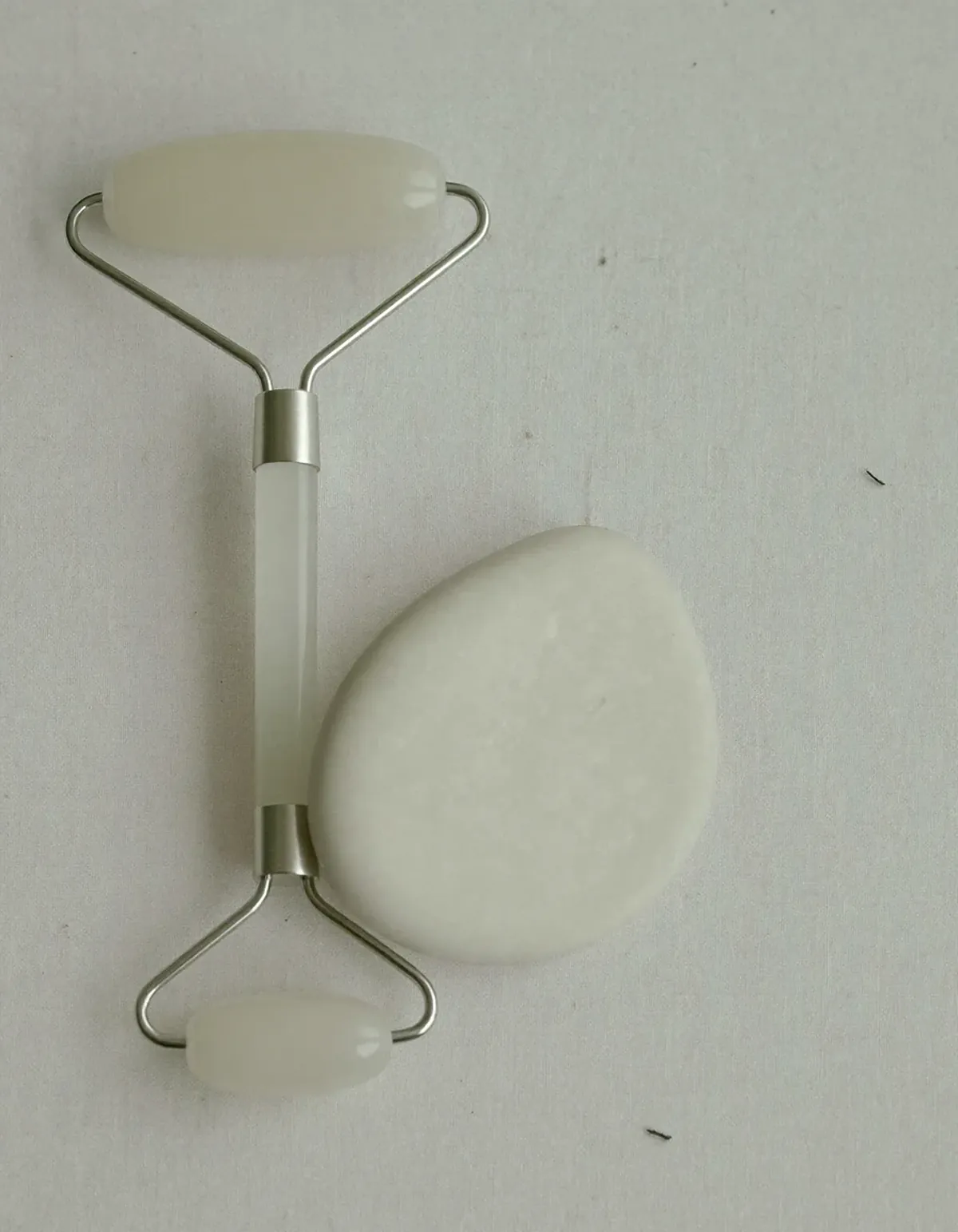
No reliable evidence shows that it does. Waste is cleared by the liver and kidneys, not by massaging the skin. The same goes for claims about melting fat or smoothing cellulite. What a gentle massage can do is move some fluid that has pooled, which is why the effect people notice most is less puffiness, particularly on the face in the morning and in the feet at night. That effect is real but temporary, which matches what we found for facial massage tools and the gua sha and face roller.
| Claim | What we found |
|---|---|
| Treats lymphoedema (as part of clinical care) | Supported as one element of treatment alongside compression, skin care and exercise |
| Reduces temporary puffiness | Plausible and modest; the effect is short-lived |
| Detoxes the body | No reliable evidence |
| Melts fat or removes cellulite | No reliable evidence |
| Lymphatic 'drainage drops' and supplements | We found no reliable trials |
Home massage is not a substitute for medical care when swelling is persistent or one-sided.
How do you do a lymphatic drainage massage at home?
The technique is lighter than most people expect. The aim is to stretch the skin gently, not to press into muscle.
- Start at the neck and collarbone. Use light, slow strokes with flat fingers, moving toward the collarbone, for about a minute.
- Work from the far end toward the near end. For the face, start at the jaw and move toward the ears and down the neck. For a leg, start at the ankle and stroke upward toward the knee, then the thigh.
- Keep the pressure light. Roughly enough to move the skin without pushing through to the muscle, and no skin dragging or redness.
- Repeat each stroke about five times, slowly, for a total of five to ten minutes.
- Finish with movement. A short walk or some ankle circles help fluid move on.
Who should not do lymphatic drainage massage?
Skip it if you have an active skin infection, a suspected blood clot, or untreated heart or kidney failure, and ask your doctor first if you have any of these conditions or have had cancer treatment. Do not use it to treat swelling that has not been diagnosed. New swelling in one arm or leg, or swelling that is red, warm or painful, needs a doctor promptly, because it can signal an infection or a clot.
What about dry brushing, vibration plates and drops?
Dry brushing exfoliates the skin and some people enjoy it, but we found no reliable evidence that it moves lymph. The same applies to vibration plates marketed for lymph flow. “Lymphatic drainage drops” sold as supplements are a separate matter: we found no reliable trials, and a supplement is not tested before sale in the way a medicine is.
What actually helps lymph flow?
Movement. Because lymph relies on muscle action, walking, stretching and heel raises are the habits recommended in lymphoedema care, and they cost nothing. Taking breaks from sitting, raising swollen feet for a while and wearing comfortable shoes (see shoes with a wide toe box) help ordinary evening puffiness. Persistent swelling deserves a medical opinion, not a more elaborate routine.
General information, not medical advice. Talk to a doctor or pharmacist before starting a supplement, especially if you are pregnant, have a health condition or take medication.
Read next: Do Microcurrent Facial Devices Work? An Honest Read · At-Home LED Light Therapy: An Honest Read
Questions people ask about this
Does lymphatic drainage massage work?
It is an accepted part of treatment for lymphoedema when delivered by a trained provider. For detox, weight loss or cellulite there is no reliable evidence. At home it may ease temporary puffiness.
How do you do lymphatic drainage massage at home?
Use very light, slow strokes. Start at the neck and collarbone, then stroke from the far end of the area toward the centre, five times each, for five to ten minutes in total, and finish with some movement.
Can lymphatic drainage detox the body?
No reliable evidence supports detox claims. The liver and kidneys clear waste, not skin massage.
Who should avoid lymphatic drainage massage?
People with an active skin infection, a suspected blood clot or untreated heart or kidney failure should avoid it, and anyone with a medical condition or cancer history should ask a doctor first.
Do lymphatic drainage drops work?
We found no reliable trials showing that they do. Supplements are not tested before sale in the way medicines are, so speak to a pharmacist before trying one.