Vitamin C serum: what it does, which form to buy, and how to use it
Vitamin C serum explained: what it does for dullness and dark spots, L-ascorbic acid vs gentler forms, how to store it, layering, and who it suits best.
The short answer
Vitamin C serum is a morning antioxidant for brightness and dark spots. L-ascorbic acid is the most studied but least stable; derivatives are gentler. Apply under moisturizer and always finish with sunscreen.
- Store it cool and dark; replace it if it turns brown.
A vitamin C serum is an antioxidant serum used in the morning to brighten dull skin, fade dark spots and help protect against sun-related damage alongside sunscreen. The most researched form, L-ascorbic acid, is also the least stable, so how a serum is made and stored matters as much as the percentage on the label. Here is what vitamin C does, which form suits your skin, how to use and store it, and how to layer it with other products.
What does vitamin C serum do?
Healthy skin naturally contains high levels of vitamin C, which supports collagen production and helps protect against damage from UV light, according to a 2017 review in Nutrients. A review in the Indian Dermatology Online Journal describes topical vitamin C as a potent antioxidant used to treat and prevent signs of photoaging and to treat hyperpigmentation. In practical terms, people use it for:
- Brightness: a more even, radiant look over time.
- Dark spots and uneven tone, alongside sunscreen; see melasma.
- Antioxidant support under your morning sunscreen.
- Fine lines, through its role in collagen.
The honest limits
The same Nutrients review notes that the benefits of topical vitamin C, compared with getting enough vitamin C from food, are not fully understood, and vitamin C is unstable and hard to deliver into the skin. That is why formulation matters, and why results are gradual. Vitamin C does not replace sunscreen; it works best with it.
Which form of vitamin C should you choose?
| Form | Good for | Worth knowing |
|---|---|---|
| L-ascorbic acid (10% to 20%) | Normal and oily skin; the most studied | Least stable; can sting; look for low pH and airtight packaging |
| Sodium ascorbyl phosphate | Sensitive and acne-prone skin | Gentler and more stable, less studied |
| Magnesium ascorbyl phosphate | Dry and sensitive skin | Gentle and hydrating |
| Ascorbyl glucoside | Beginners, sensitive skin | Very stable, mild |
| Tetrahexyldecyl ascorbate | Dry skin, oil-based serums | Oil-soluble and stable |
If L-ascorbic acid stings, a gentler derivative is a good alternative.
How to use vitamin C serum
- Cleanse in the morning.
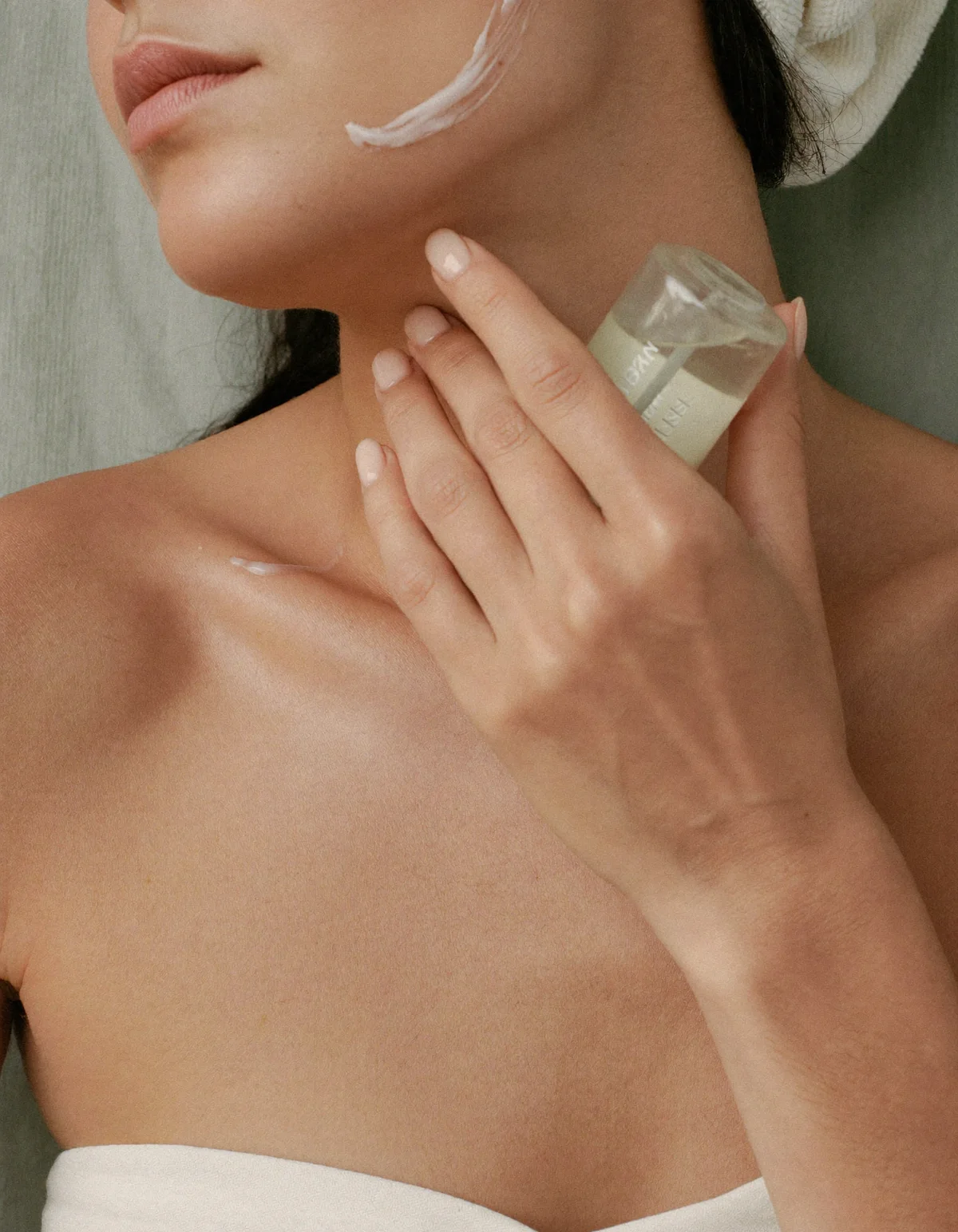
- Apply 3 to 5 drops to dry skin, pressing it in over the face and neck.
- Let it absorb for a minute.
- Follow with moisturizer and a hyaluronic acid serum if you use one.
- Finish with sunscreen, the most important step; see the best sunscreen for your face.
Start every other morning if your skin is sensitive, and build up.
How to store vitamin C serum
- Keep it cool and dark, away from the bathroom window and heat.
- Close the cap tightly after each use.
- Choose opaque, airless or dark glass packaging.
- Watch the color: if it turns dark orange or brown, it has oxidized and is less effective; replace it.
- Use it up within a few months of opening.
Layering vitamin C with other ingredients
- With sunscreen: the classic morning pairing.
- With retinoids: vitamin C in the morning, retinoid at night; see retinal vs retinol.
- With niacinamide: generally fine together for most skin.
- With exfoliating acids: use them at different times of day if your skin stings.
- With azelaic acid: vitamin C in the morning and azelaic acid at night suits uneven tone.
What percentage of vitamin C do you need?
For L-ascorbic acid, 10% to 20% is the usual range in serums. Higher is not always better: above about 20%, stinging becomes more likely without clearly better results. If you are new to vitamin C or have sensitive skin, start lower or choose a gentler derivative.
Side effects
Stinging, tingling, redness or dryness can happen, especially with higher-strength L-ascorbic acid. Patch test on your jaw first, and stop if you develop a rash. If you have rosacea or very sensitive skin, a gentle derivative is usually better tolerated; see our rosacea guide.
Who is vitamin C serum best for?
- Dull or uneven skin that needs brightness.
- Anyone with dark spots, alongside strict sun protection.
- People who spend time outdoors, as antioxidant support under sunscreen.
- Mature skin, as part of a routine with retinoids and peptides.
Read next: Ingrown Hairs: Causes, Treatment and Prevention · Strawberry Legs: Causes and How to Get Rid of Them
Questions people ask about this
What does vitamin C serum do for your face?
It is an antioxidant that can brighten dull skin, fade dark spots over time and support skin against sun-related damage when used with sunscreen.
Should I use vitamin C serum in the morning or at night?
Most people use it in the morning under sunscreen, where its antioxidant role is most useful.
Which vitamin C is best for sensitive skin?
Gentler derivatives such as sodium ascorbyl phosphate, magnesium ascorbyl phosphate or ascorbyl glucoside usually sting less than L-ascorbic acid.
How do I know if my vitamin C serum has gone bad?
If it turns dark orange or brown, it has oxidized and is less effective. Store it cool, dark and tightly closed.
Can you use vitamin C with retinol?
Yes. Use vitamin C in the morning and your retinoid at night.
How long does vitamin C serum take to work?
Results are gradual; many people notice brighter skin over several weeks and changes in dark spots over a few months.