Women's sneakers: how to choose a pair and how to style them
Choose women's sneakers by the job first, then fit. Types compared, how a pair should fit, materials, how to style them and when to replace them.
The short answer
Choose women's sneakers by the job first (walking, work, weekend, gym), then by style. Fit: try them late in the day, leave about a thumb's width beyond your longest toe, and check the width at the widest part of the foot. Leather lasts and wipes clean; knit and mesh breathe; some newer brands print a shoe in a single 3D-printed piece.
- Neutral colours go with most outfits; replace a pair when the sole wears flat or the cushioning dies.
Women’s sneakers are the one shoe most people wear for the longest hours, and the way most of us choose them, by colour and brand, is the reason so many end up unworn. The two decisions that matter are fit, which you can check in a minute, and the job the pair has to do. Style comes second, and it is the easy part once the pair fits and suits your week.
How do you choose women’s sneakers?
Start from the job. A pair for walking all day, a pair for the office with a skirt or trousers, a pair for weekends and a pair for the gym are four different shoes, and one pair rarely does all four well. Decide which of those you are buying for, and choose the style and the cushioning to match.
| Type | What it is | Best for | Watch for |
|---|---|---|---|
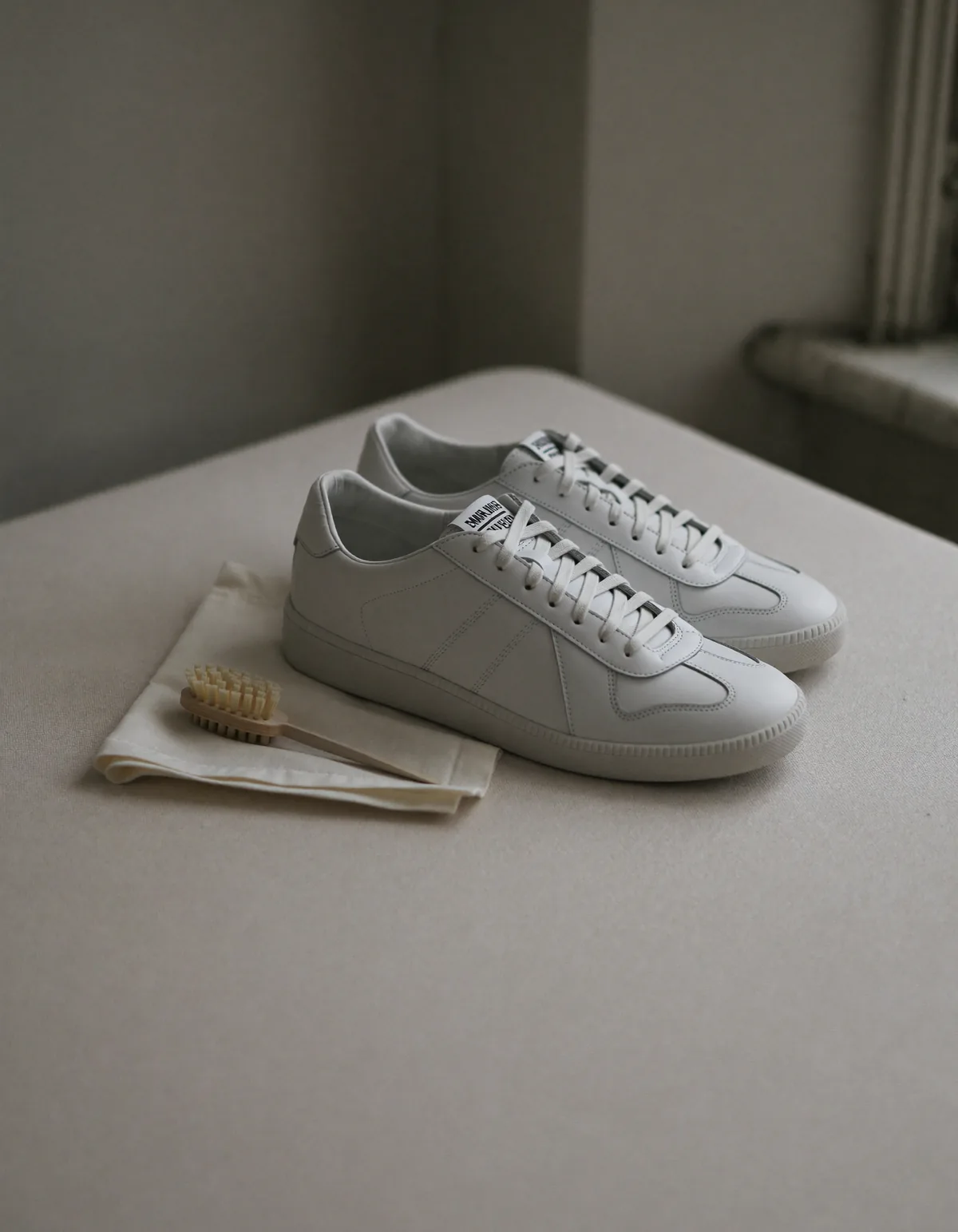
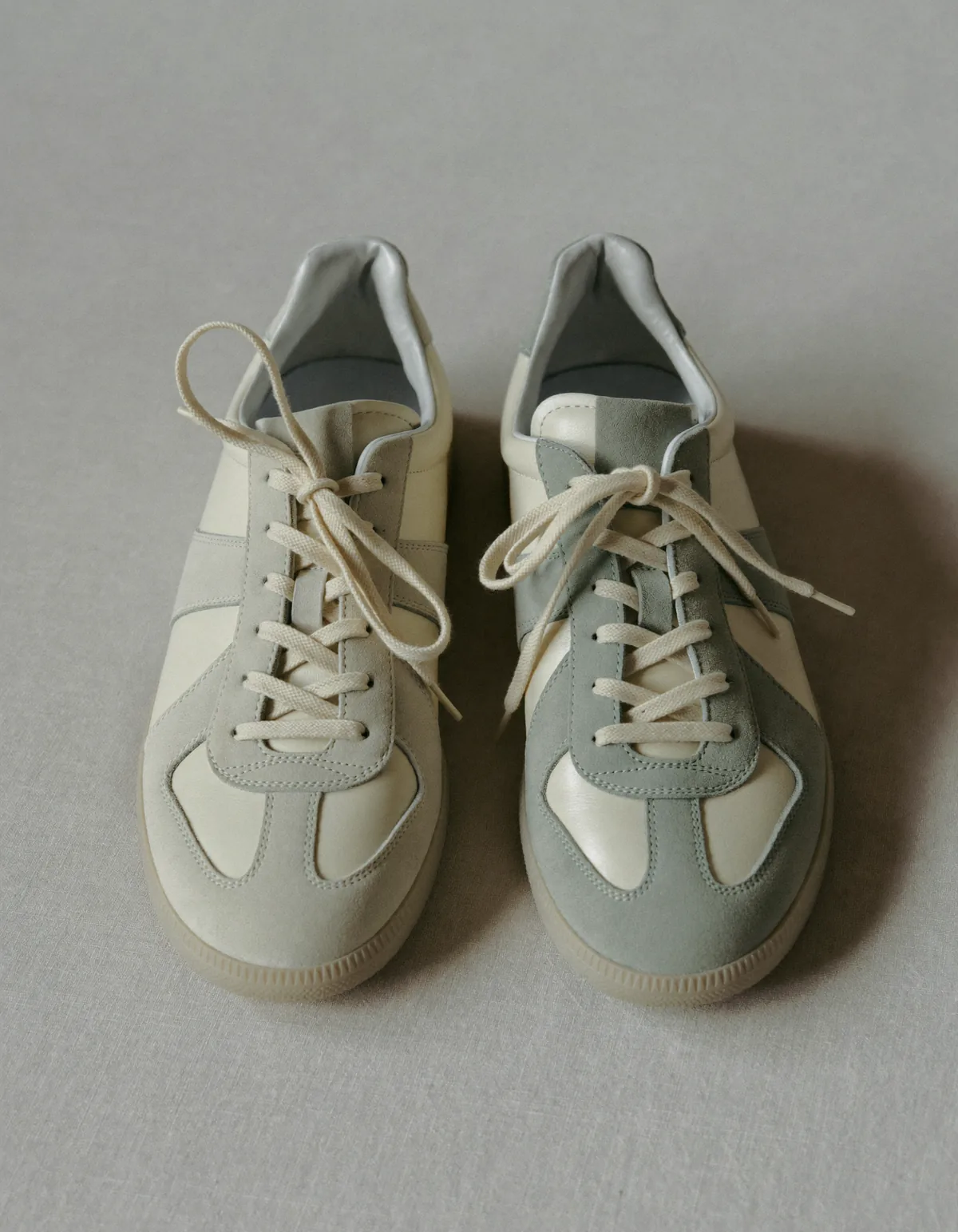
| Low-top leather | Clean, flat sole, minimal upper | Dressing up, office, weekends | Often little cushioning |
| Platform | Thicker sole for height | Style, casual outfits | Weight, and a stiff sole that tires the foot |
| Running-style | Cushioned, shaped midsole | Long walks, all-day wear | Chunky look with dresses |
| Slip-on | No laces, easy on and off | Travel, quick errands | Looser heel hold |
| Knit or mesh | Flexible, breathable upper | Warm weather, comfort | Less structure, less rain protection |
| Canvas | Light and simple | Summer, casual wear | Little arch support |
Pick the job first, then the style.
How should women’s sneakers fit?
- Try them on late in the day, when feet are at their largest.
- Leave about a thumb’s width between your longest toe and the end of the shoe.
- Check the width at the widest part of your foot. The side of the shoe should not press on the joint at the base of the big toe. A narrow toe box is the usual reason shoes hurt; see our guide to shoes for bunions for the tracing test.
- The heel should hold without slipping, and the shoe should bend where your foot bends, not in the middle of the arch.
- Walk on a hard floor. Soft carpet in a shop hides a poor sole.
What materials are women’s sneakers made from?
Leather lasts and wipes clean, and it is the best choice for a pair you want to keep looking smart; our guide to leather grades explains what the label means. Canvas is light and cheap and wears out faster. Knit and mesh are breathable and flexible. Some newer brands make a shoe in one 3D-printed piece. NEXBIE, a SOUL partner, says its sneakers and slides are printed in a single seamless piece with zoned lattice sections for support, flexibility and cushioning, and advertises free shipping and a 30-day money-back guarantee. That is the brand’s own description, and we earn a commission if you buy through our link.
How do you style women’s sneakers?
Sneakers are easiest to style when the sneaker is plain and the outfit has one clear idea. A few formulas that work, in the way we describe in outfit formulas:
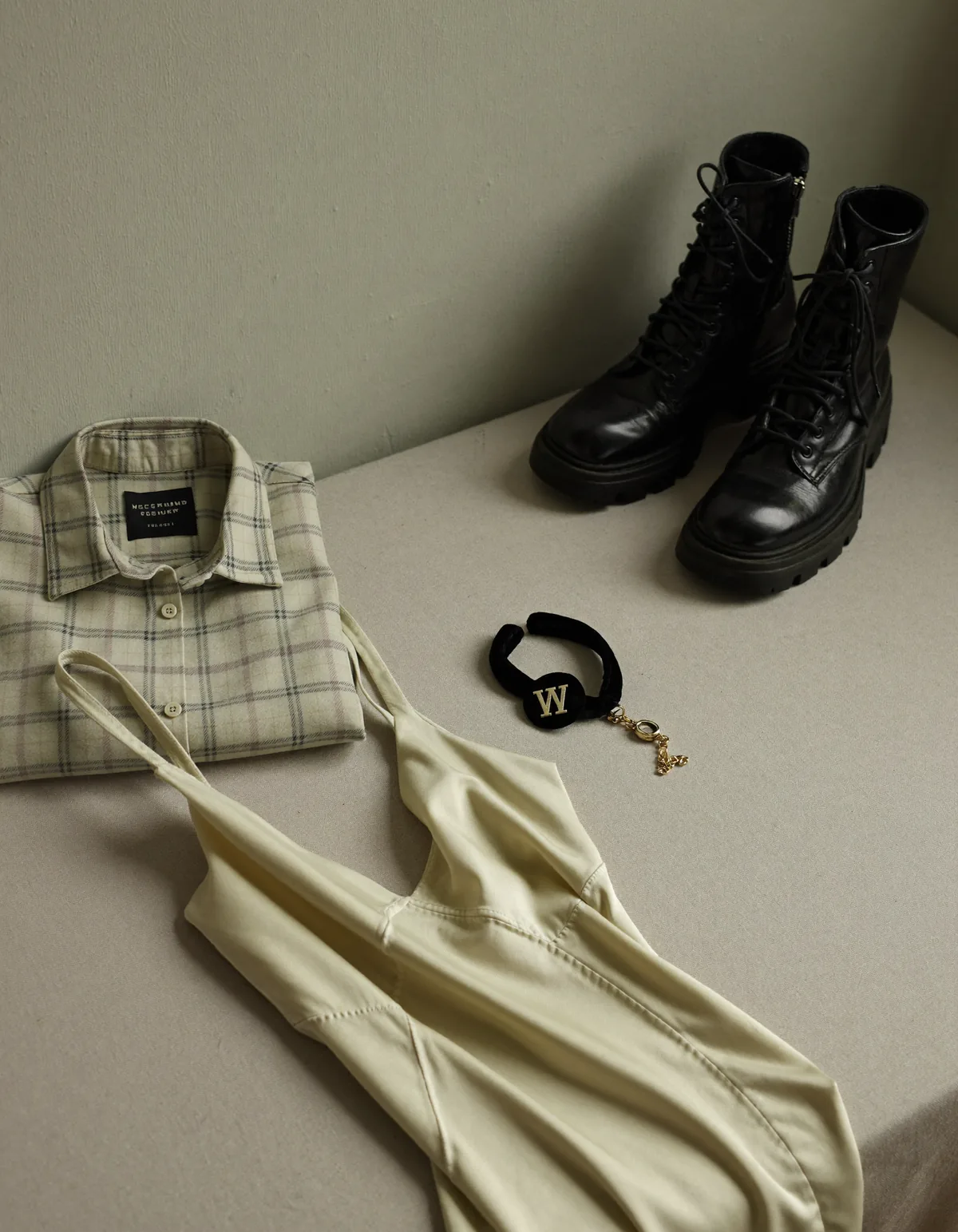
- With a midi dress or skirt. A clean low-top sneaker with a slip dress or pleated skirt, and a jacket over the top.
- With straight or wide-leg jeans. Let the hem sit at the top of the shoe, or just break over it.
- With tailored trousers. A minimal white or cream sneaker with cropped tailoring and a plain knit looks deliberate; see smart casual for women.
- With leggings or joggers. A cushioned running-style pair.
Choose neutral colours (white, cream, grey, black, tan) if you want one pair to go with most of your wardrobe, and add colour in the second pair.
How often should you replace sneakers?
When the sole is worn flat on one side, the cushioning has gone dead, or the shoe no longer holds your heel. A pair worn daily for walking will wear out sooner than one worn twice a week, so the cost per wear is the useful number; our guide to cost per wear shows the arithmetic. If a pair makes your feet or joints ache, replacing it is cheaper than ignoring it.
How do you keep sneakers looking good?
Clean them gently and often, since dirt grinds into the material. Use a soft brush and mild soap with a damp cloth, avoid bleach and hot washing, and let them dry away from direct heat and sun, which can yellow white soles. Our guide to white sneakers covers cleaning by material in detail. Rotating two pairs lets each dry fully between wears, which is the easiest way to make them last.
Questions people ask about this
How do I choose women's sneakers?
Choose by the job first: walking, work, weekend or gym. Then check the fit: try them late in the day, leave about a thumb's width beyond your longest toe, and make sure the widest part of your foot is not pressed.
How should women's sneakers fit?
With about a thumb's width of space beyond the longest toe, a heel that holds without slipping, enough width so the side of the shoe does not press on the big toe joint, and a sole that bends where your foot does.
What are the most comfortable sneakers for women?
Running-style sneakers with a shaped, cushioned midsole usually suit all-day walking best, while minimal low-top leather sneakers suit dressing up but often have less cushioning.
How do I style women's sneakers?
Keep the sneaker plain and let the outfit carry one idea: with a midi dress, straight or wide-leg jeans, or tailored trousers. Neutral colours go with most of a wardrobe.
When should I replace my sneakers?
When the sole is worn flat on one side, the cushioning has gone dead or the shoe no longer holds your heel, or when they make your feet or joints ache.