A cold plunge at home: the ice math that makes a chiller cheaper than it looks
One plunge needs close to a hundred pounds of ice. The real monthly cost against a chiller, plus the outlet, floor-load and water rules to settle first.
The short answer
Cooling about 100 gallons to 50°F takes roughly 90–100 lb of ice — around $20–$30 a session.
- Cooling about 100 gallons to 50°F takes roughly 90–100 lb of ice — around $20–$30 a session.
- Three plunges a week on ice runs roughly $250–$400 a month; a chiller's electricity is usually tens of dollars.
- Settle the floor load, a GFCI outlet, water care and noise before buying anything.
- A fitted lid and a shower before every plunge do more for running cost and water quality than anything else.
Every home cold plunge starts with the same idea: a tub, a few bags of ice, and no subscription. It is a perfectly good way to find out whether you like it. It is also, for anyone who keeps it up, one of the more expensive ways to do it — and the reason is obvious the moment you do the arithmetic.
The ice math nobody mentions
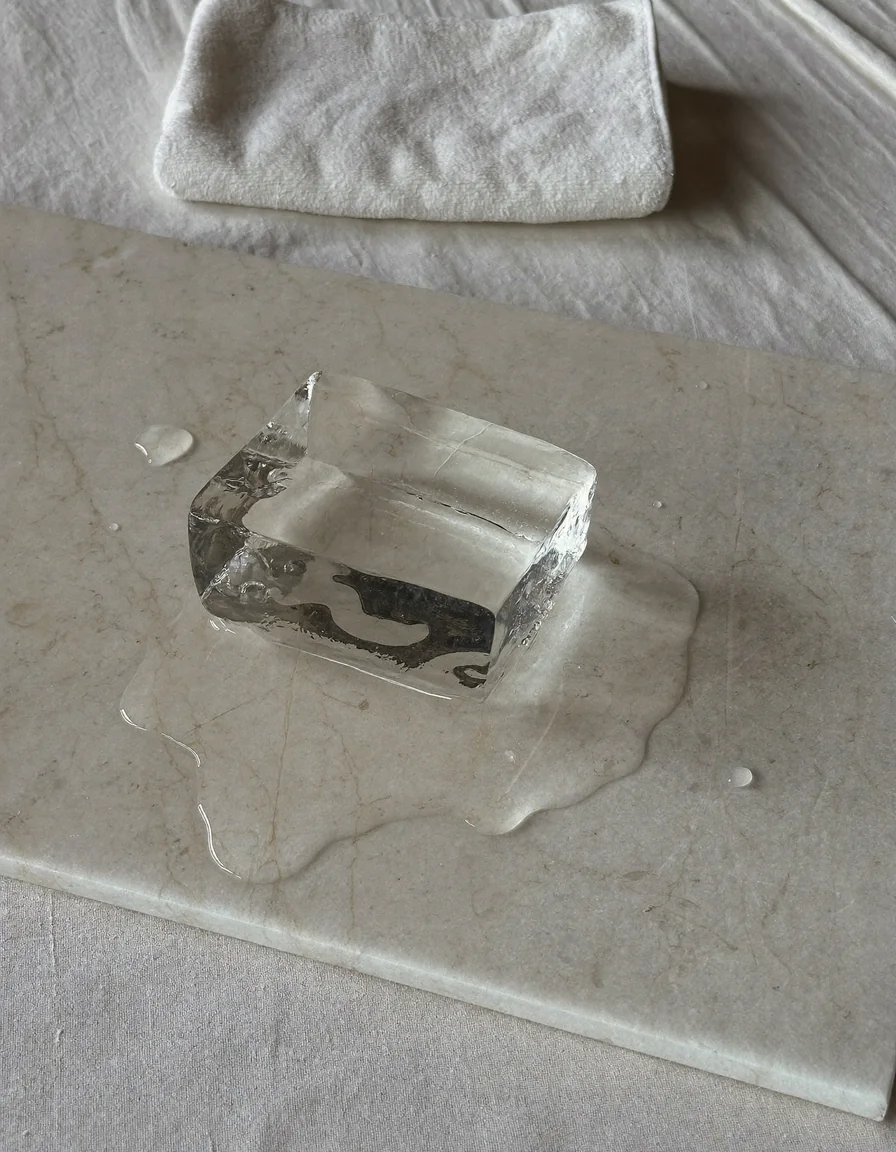
A typical small plunge tub holds around 100 gallons of water. Cooling that from ordinary tap temperature to about 50°F takes roughly 90 to 100 pounds of ice — before you count the room warming it back up, or your own body heat once you are in. That is not a rounding error; it is simply how much heat melting ice can absorb.
At typical supermarket prices, that is somewhere around $20 to $30 a session. Three plunges a week comes to roughly $250 to $400 a month, plus the hauling, the freezer space, and water that needs changing often because nothing is filtering it.
| Bagged ice | A chiller | |
|---|---|---|
| Upfront | A tub and a cooler | Typically several hundred to over a thousand dollars |
| Per month | Roughly $250–$400 in ice | Electricity, usually tens of dollars |
| Ready when you are | Only if you bought ice today | Held at temperature around the clock |
| Water | Unfiltered; change it often | Filtered and circulated |
| Effort | Buying, hauling, pouring | Occasional filter and water care |
Estimates, not quotes: ice prices, electricity rates and climate all move these numbers. The shape of the comparison does not change.
What a chiller actually does
A chiller is a compact refrigeration unit that draws water from the tub, cools and filters it, and returns it — continuously. Most home units can hold water in the low 40s Fahrenheit. The practical difference is that the plunge is ready whenever you are, and that is the thing that decides whether a habit survives past its first month.
Running cost depends heavily on where the tub lives. A unit drawing around 600 watts, running several hours a day to hold temperature, uses a few kilowatt-hours daily; at a typical US home electricity rate of about 17 cents a kilowatt-hour, that usually comes to tens of dollars a month rather than hundreds. A hot garage in August costs more; a lidded tub in a cool basement costs less.
Four things to settle before you buy anything
The floor. A hundred gallons of water weighs over 800 pounds, before the tub and the person in it. A ground floor, garage or patio is straightforward. An upper floor or an older building is a question for your landlord or a structural engineer, not a guess.
The outlet. Water and electricity in the same corner need a GFCI-protected outlet — the kind with test and reset buttons that cuts the power in a fraction of a second if something goes wrong. Plug the chiller directly into one, and avoid extension cords.
The water. Filtration helps, but a plunge still needs sanitizing and regular water changes; follow the manufacturer’s guidance. The biggest single thing you can do costs nothing: shower before you get in, so sweat, lotion and hair products stay out of the water.
The noise. A chiller’s compressor hums, roughly like a small air conditioner. Against a bedroom wall it matters; in a garage it does not.
Inflatable or rigid tub
Inflatable and soft-sided tubs are cheaper, portable and easy to store, but they insulate less, so a chiller works harder to hold temperature. Rigid tubs cost more and stay where you put them, and they hold the cold better. Whichever you choose, a fitted lid is not optional: it keeps debris out and cuts the energy needed to hold temperature more than any other single change.
Before any of this, it is worth being clear about what a plunge will and will not do for you — that is in what the research actually shows for women. Buy the chiller once you know you will use it, not in the hope that owning one will make you.
Questions people ask about this
How much ice do you need for a cold plunge?
Roughly 90 to 100 pounds to cool about 100 gallons of tap water to around 50°F, before accounting for heat from the room and your body.
Is a cold plunge chiller worth it?
For anyone plunging several times a week, often yes. Ice can cost roughly $250–$400 a month at that frequency, while a chiller's electricity typically runs to tens of dollars and the water stays filtered and ready.
How much electricity does a cold plunge chiller use?
It depends on climate, insulation and whether the tub has a lid. A unit around 600 watts running several hours a day uses a few kilowatt-hours daily — usually tens of dollars a month at typical US rates.
Can I put a cold plunge tub upstairs?
Check first. A hundred gallons of water weighs over 800 pounds before the tub and the person. Ground floors, garages and patios are simple; upper floors need a landlord's or structural engineer's view.
How do I keep cold plunge water clean?
Shower before every plunge, keep a fitted lid on, run the filtration, and sanitize and change the water as the manufacturer recommends.