Engagement ring settings: the part that fails is never the stone
Prongs wear, channels loosen, and the setting decides whether you still own the stone in twenty years. What each style costs you in maintenance and everyday wear.
Almost all the attention in buying an engagement ring goes to the stone, and almost all the failures are in the setting. A stone does not wear out. The metal holding it does, and when that metal gives up you do not lose a prong — you lose the stone, usually without noticing until later.
So this is the part worth understanding, and it is the part the counter spends least time on.
What actually fails
Prongs. They are thin by design, because the whole point is to hold the stone while showing as little metal as possible, and they sit at the highest point of the ring where everything gets knocked. Ordinary wear thins them from the outside; catching the ring on fabric bends them. A prong that has thinned enough to flex will eventually release.
The practical consequence: any prong-set ring worn daily needs checking roughly annually and re-tipping every several years. That is a running cost, not a defect, and nobody mentions it at purchase. If you take one thing from this page, take that.
The settings, and what each costs you
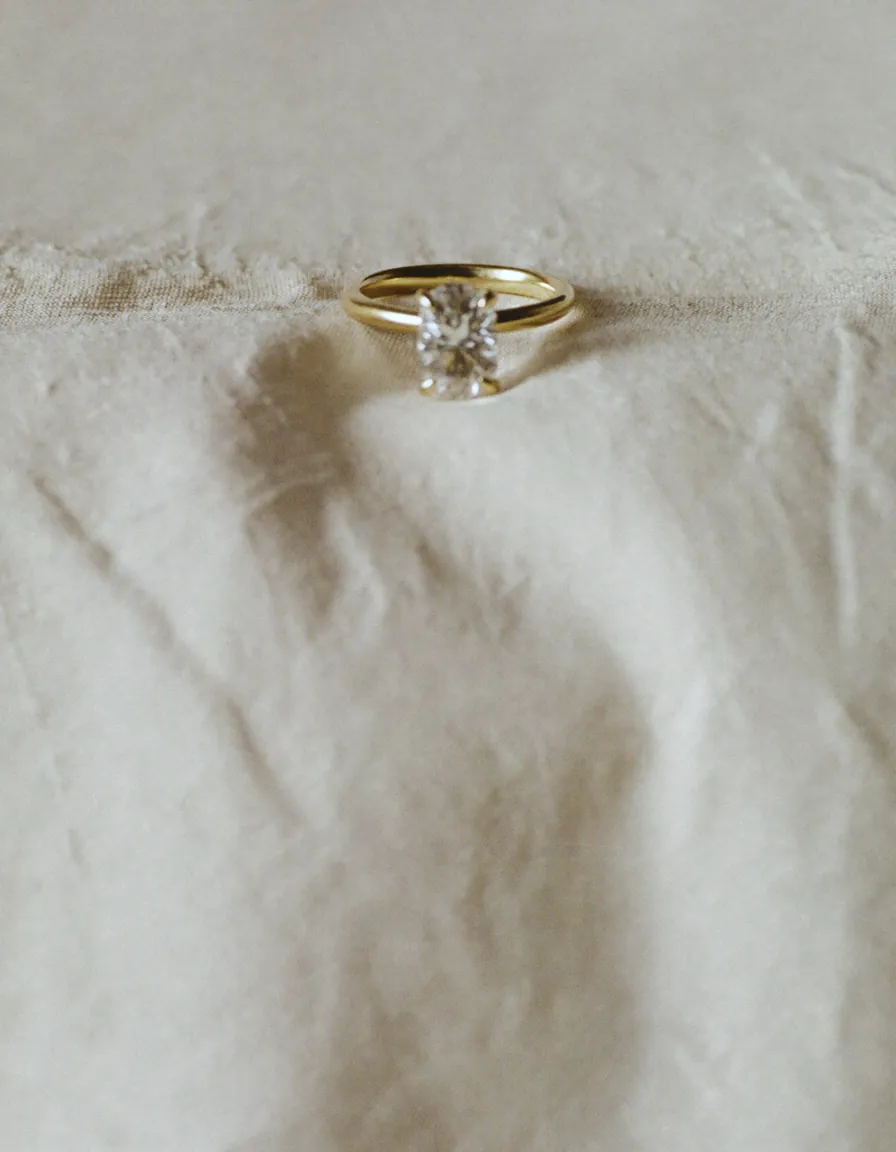
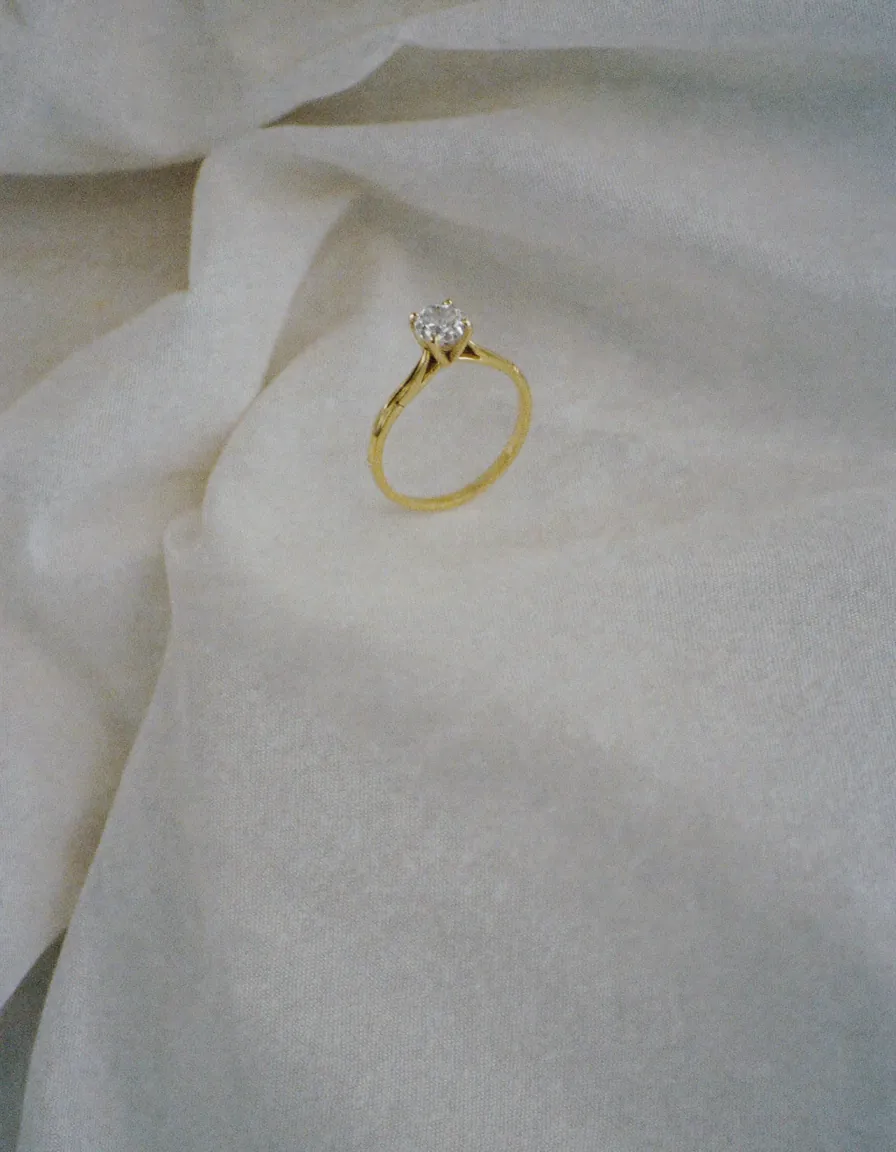
Solitaire prong. Four or six prongs. Maximum light into the stone, maximum exposure. Six prongs are meaningfully more secure than four, because losing one of six is a maintenance issue while losing one of four can be a lost stone. The classic, and the highest maintenance.
Bezel. A rim of metal fully or partly surrounding the stone. By a distance the most secure and the most practical for hands that do physical work, garden, lift, or wear gloves. It costs some brilliance, because less light enters from the sides, and it makes the stone read slightly smaller. For a ring that will never come off, this is the sensible answer and it is recommended far less often than it should be.
Halo. Small stones encircling a centre stone. Makes a modest centre look larger, which is the honest appeal. The small stones are held by very small prongs, so it adds many more points of failure — halos are the setting most likely to be missing a tiny stone within a few years.
Pavé and channel bands. Stones set into the band itself. Beautiful, and the reason jewelers wince when you mention resizing: a pavé band is difficult or impossible to resize without rebuilding it. If your fingers change size — and they do, with heat, pregnancy and age — this matters more than the sparkle.
Tension and hidden settings. Striking, and structurally the least forgiving. Both are harder to repair and fewer jewelers will touch them.
Metal decides how the setting ages
Platinum is softer to scratch but tougher in the sense that matters here: it displaces rather than losing material, so prongs thin more slowly and re-tip well. White gold is harder, but it is rhodium-plated to look white and that plating wears off, so it needs replating every year or two — another running cost that goes unmentioned.
Yellow and rose gold at 14k are the practical everyday choice for the same reason set out in 14k vs 18k: harder alloy, better resistance to the deformation that loosens settings. 18k prongs bend more easily.
Buying, in the order that matters
Decide the setting against your actual hands and your actual life before you look at stones. A bezel or six-prong on 14k or platinum for a ring that never comes off; a four-prong solitaire if you will genuinely take it off for the gym and the garden. Ask what re-tipping costs at that jeweler and whether the band can be resized. Then choose the stone — and if the budget is tight, the honest place to save is the stone rather than the setting, which is the opposite of how it is usually sold. The lab-grown question is the largest lever you have there.
Questions people ask about this
What is the most secure engagement ring setting?
A bezel, by a clear margin — a rim of metal surrounds the stone rather than gripping it at points. It is the practical choice for hands that do physical work or for a ring that never comes off. The trade is some brilliance, since less light enters from the sides, and the stone reads slightly smaller.
Are six prongs better than four?
For security, meaningfully yes. Losing one prong of six is a maintenance issue; losing one of four can mean losing the stone. Four prongs show less metal and let in more light, so it is a genuine trade rather than one being simply better.
How often do engagement ring prongs need checking?
Roughly annually for a ring worn daily, with re-tipping every several years. Prongs are thin by design and sit at the highest point of the ring, so ordinary wear thins them and knocks bend them. This is a running cost of prong settings that is almost never mentioned at purchase.
Can a pavé band be resized?
Often not without rebuilding it, and some jewelers will decline entirely. Stones set into the band leave little plain metal to work with. Since finger size changes with heat, pregnancy and age, this is worth weighing before choosing a stone-set band.
Is platinum or white gold better for a setting?
Platinum for longevity of the setting itself — it displaces rather than losing material when scratched, so prongs thin more slowly and re-tip well. White gold is harder but is rhodium-plated to look white, and that plating wears off and needs replacing every year or two, which is an ongoing cost people are rarely told about.