Hair growth products: what actually works, ranked by evidence
Hair growth products ranked by evidence: minoxidil, rosemary oil, scalp massage, serums, biotin and more, what helps which cause, and how long results take.
The short answer
Topical minoxidil has the strongest evidence for female pattern hair loss. Rosemary oil and scalp massage have small supportive studies; most serums are unproven. Biotin, iron and vitamin D help only if you are deficient, so test first. Give any product 3 to 6 months and track monthly photos.
- See a doctor for sudden, patchy or heavy hair loss.
Most hair growth products have little or no good evidence behind them. A few do: topical minoxidil is the best-studied option for female pattern hair loss, and some others have smaller but promising studies. The useful way to shop is by evidence level, and to know first whether you have a cause such as low iron, thyroid problems or pattern hair loss that a doctor should look at. Below is every popular hair growth product sorted by how strong the evidence is.
Hair growth products by evidence
| Product | Evidence | What it does | Notes |
|---|---|---|---|
| Topical minoxidil | Strong | Prolongs the growth phase in pattern hair loss | Results after 3 to 6 months; shedding at first is common |
| Oral minoxidil (low dose) | Growing | As above, prescribed | Prescription only; side effects need monitoring |
| Rosemary oil | Limited | One trial compared it with 2% minoxidil | Small study; patch test first |
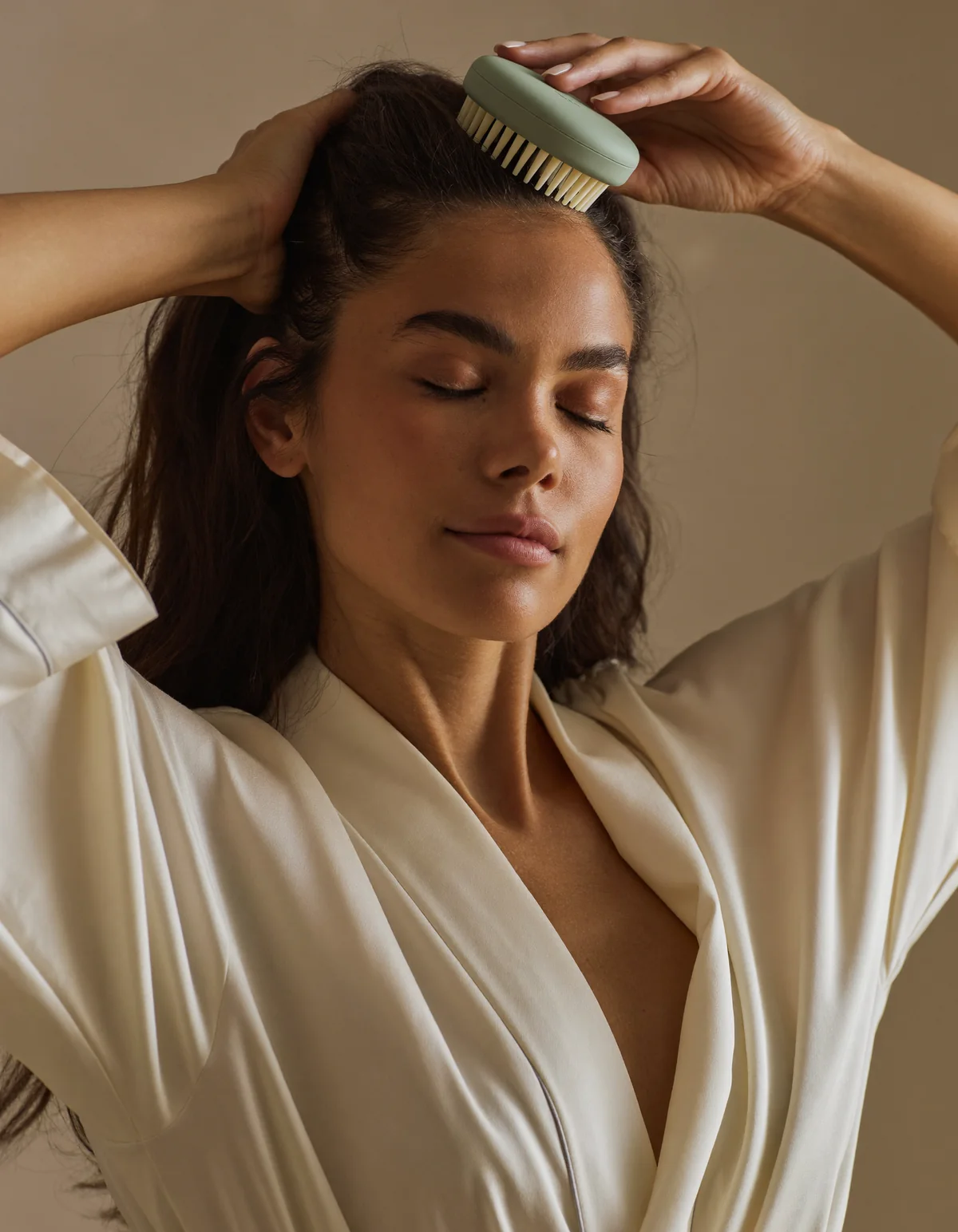
| Scalp massage | Limited | A small study found thicker hair after 24 weeks | Free and low risk |
| Ketoconazole shampoo | Limited | Treats dandruff; some data in hair loss | Useful if you have dandruff |
| Peptide and caffeine serums | Weak | Mostly lab and small studies | Low risk, uncertain benefit |
| Biotin supplements | Only if deficient | Helps only people with a true deficiency | Can distort some lab tests |
| Iron, vitamin D, zinc | If deficient | Correcting a deficiency can help shedding | Test before supplementing |
| Castor oil | None | No clinical evidence for hair growth | Moisturizes only |
Evidence levels summarize published human studies as of 2026; none of this replaces a dermatologist's assessment.
Start with the cause
- Pattern hair loss (gradual widening of the part): minoxidil is the first-line option. Our minoxidil for women guide explains how to use it.
- Shedding after illness, stress, surgery or childbirth (telogen effluvium) usually recovers on its own in months.
- Deficiencies: a 2019 review found links between hair loss and low iron and vitamin D, and little support for supplementing nutrients you are not low in (Almohanna et al., Dermatology and Therapy). A 2017 review found biotin helped only people with a deficiency (Patel et al.).
- Hairstyles that pull can cause traction loss. See braid hairstyles.
What about oils and serums?
Rosemary oil has one small trial and is worth trying alongside, not instead of, proven treatments. Castor oil has no evidence for growth. Serums with caffeine, peptides or redensyl are low risk but unproven. Massaging any product into the scalp may help a little on its own: see scalp massagers.
How do you judge results?
Hair grows about 1 cm a month and growth cycles are long, so give any product at least 3 to 6 months, take photos of your part in the same light monthly, and keep using it if it works; stopping minoxidil, for example, reverses gains over a few months. Good nutrition helps too; see foods for hair growth.
General guidance, not medical advice. Sudden, patchy or heavy hair loss, or loss with other symptoms, should be checked by a doctor or dermatologist.
Related guides
Questions people ask about this
What hair growth product actually works?
Topical minoxidil has the strongest evidence for pattern hair loss. Rosemary oil and scalp massage have small supportive studies. Most other serums and supplements are unproven unless you have a deficiency.
Does biotin help hair grow?
Only if you are truly deficient, which is uncommon. A 2017 review found no evidence it helps people with normal levels, and high doses can distort some blood tests.
How long do hair growth products take to work?
At least 3 to 6 months, because hair grows slowly and in long cycles. Compare monthly photos taken in the same light.
Is rosemary oil as good as minoxidil?
One small trial found similar results to 2% minoxidil after six months, but the evidence is far thinner than for minoxidil. It is reasonable to try alongside proven treatments.
When should I see a doctor about hair loss?
If hair loss is sudden, patchy, heavy, or comes with other symptoms such as fatigue or scalp pain. Blood tests can check iron, thyroid and vitamin D.