How to wash a human hair wig without shortening its life
How often, which direction, and why conditioner never touches the cap. The washing habits that retire a good wig a year earlier than it needed to go.

A human hair wig is hair without a scalp behind it, and everything about washing one follows from that single fact. Your own hair is continuously re-oiled from the root and continuously replaced. A wig is neither. Every wash takes something it cannot replace, so the goal is not to get it as clean as possible — it is to get it clean enough, as rarely as you can manage.
How often
Roughly every 7 to 14 wears for a wig worn daily. Not every 7 to 14 days — wears, which is why a rotation of two wigs lasts far more than twice as long as one.
Wash it sooner if product has built up to the point where the hair looks dull and stops moving, or if it smells. Wash it later if you have mostly worn it indoors and used little product. Over-washing is the more common mistake by a wide margin, and it is the one that causes the dryness people then treat with more product.
The method
- Detangle dry, before any water. Start at the ends and work upward in sections with a wide-tooth comb. Wet hair stretches and snaps, so a tangle you take into the sink is damage you have already agreed to.
- Rinse downward only. Hold it under lukewarm running water and let the water run from cap to ends, the way the hair grows. Never swirl it in a basin — that is exactly how the strands wrap around each other and mat at the root.
- Shampoo the hair, gently, in one direction. Sulphate-free, diluted in a little water first so it spreads without being scrubbed in. Stroke it through downward. Do not pile the hair on top of itself.
- Condition mid-length to ends only. Never on the cap or the knots. This is the step people get wrong and it matters more than any other: conditioner is a lubricant, and lubricating the knots that hold each hair in place loosens them. Conditioner at the root is the main cause of premature shedding.
- Rinse cool until the water runs completely clear, and press — do not wring — the water out with a towel.
- Air dry on a stand, away from direct sun and radiators. A wig stand keeps the cap in shape; drying it flat in a heap sets creases into the lace.
| Do | Because | |
|---|---|---|
| Detangling | Dry, ends first, wide-tooth | Wet hair stretches and snaps |
| Water direction | Downward, cap to ends | Swirling mats the hair at the root |
| Water temperature | Lukewarm, rinse cool | Heat opens the cuticle and dulls it |
| Conditioner | Mid-length to ends only | It loosens the knots holding each hair in |
| Drying | Air dry on a stand | Heat is cumulative and the hair never regrows |
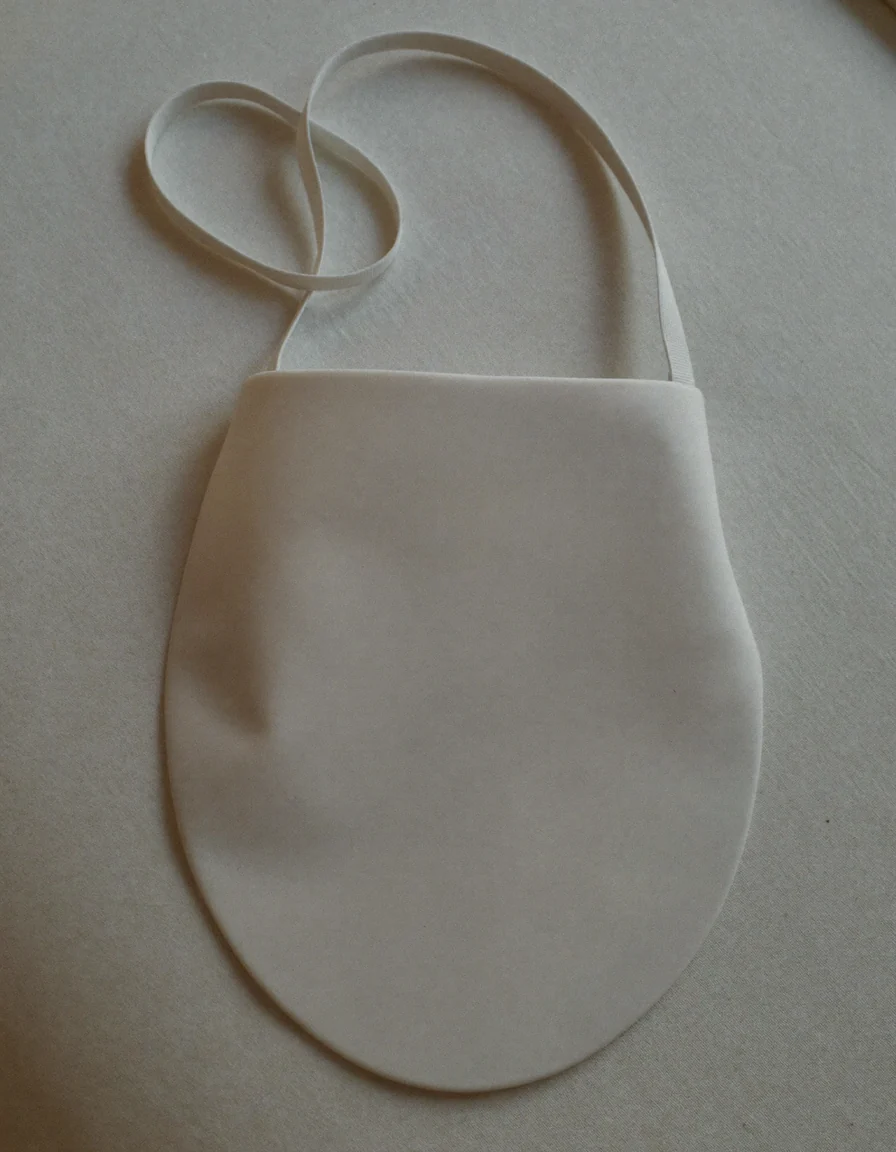
| Storage | Stand or silk bag | Creases in lace are difficult to reverse |
| Frequency | Every 7–14 wears | Every wash is irreversible |
None of this is recoverable. Hair on a wig is not replaced by anything, so care is the entire lifespan.
Heat, and why it is a different question here
Human hair wigs can be heat styled, which is most of the reason to buy one. But the damage is cumulative on a fixed quantity of hair — your own hair grows out of a damaging phase over months, and a wig simply never does.
So: lower temperatures than you would use on your own head, a heat protectant every time, and dry before hot tools rather than wet. The physics of why a hot iron on damp hair is the worst case is in what heat actually does, and it applies here with no grow-out to save you.
Colour-treated and bleached-knot wigs
Both are more fragile and need washing less often and more gently. Bleached knots are chemically weakened at exactly the point holding the hair in, so they shed more readily — keep conditioner well away from them and never rub the cap.
Colour-treated hair also loses tone with every wash. Cool water and a sulphate-free shampoo slow that down more than any product claiming to seal colour in.
The mistakes that shorten a wig most
Sleeping in it. A night of friction against a pillow does more tangling than a day of wear, and the hair does not recover. If it happens, a silk pillowcase reduces the friction considerably — the same mechanism as in whether a silk pillowcase is worth it, where the hair argument is the one that holds up.
Brushing from the top down. It drags every tangle into a tighter knot at the ends and pulls against the knots at the cap. Always start at the ends.
Product at the root. Serums and oils near the cap loosen knots and build up where you cannot easily wash them out.
Storing it in a drawer. Creased lace and a flattened cap are hard to undo. A stand costs very little relative to what it protects.
How long any of this buys you depends heavily on what you started with — cap construction and hair quality set the ceiling, and the questions that reveal both before you buy are in how to choose a human hair wig.
Questions people ask about this
How often should you wash a human hair wig?
Roughly every 7 to 14 wears rather than every 7 to 14 days. Wash sooner if product buildup has made the hair dull and heavy, later if you have worn it mostly indoors with little product. Over-washing is the more common mistake and causes the dryness people then treat with more product.
Can you put conditioner on a wig cap?
No. Conditioner is a lubricant, and the knots at the cap are what hold each hair in place — lubricating them loosens them. Conditioner at the root is the main avoidable cause of shedding. Apply from mid-length to ends only.
How do you wash a wig without tangling it?
Detangle it dry first, starting at the ends with a wide-tooth comb. Then rinse under running water flowing downward from cap to ends, and stroke shampoo through in one direction. Never swirl a wig in a basin of water — that is what mats it at the root.
Should you air dry or blow dry a human hair wig?
Air dry on a wig stand, away from direct sun and radiators. The stand keeps the cap in shape, and heat damage on a wig is cumulative on a fixed amount of hair that is never replaced by new growth.
Why is my wig shedding?
Most often conditioner or oil reaching the knots at the cap, rubbing the cap while washing, or brushing from the roots downward. Bleached knots shed more readily in any case, because bleaching weakens the hair exactly where it is held.