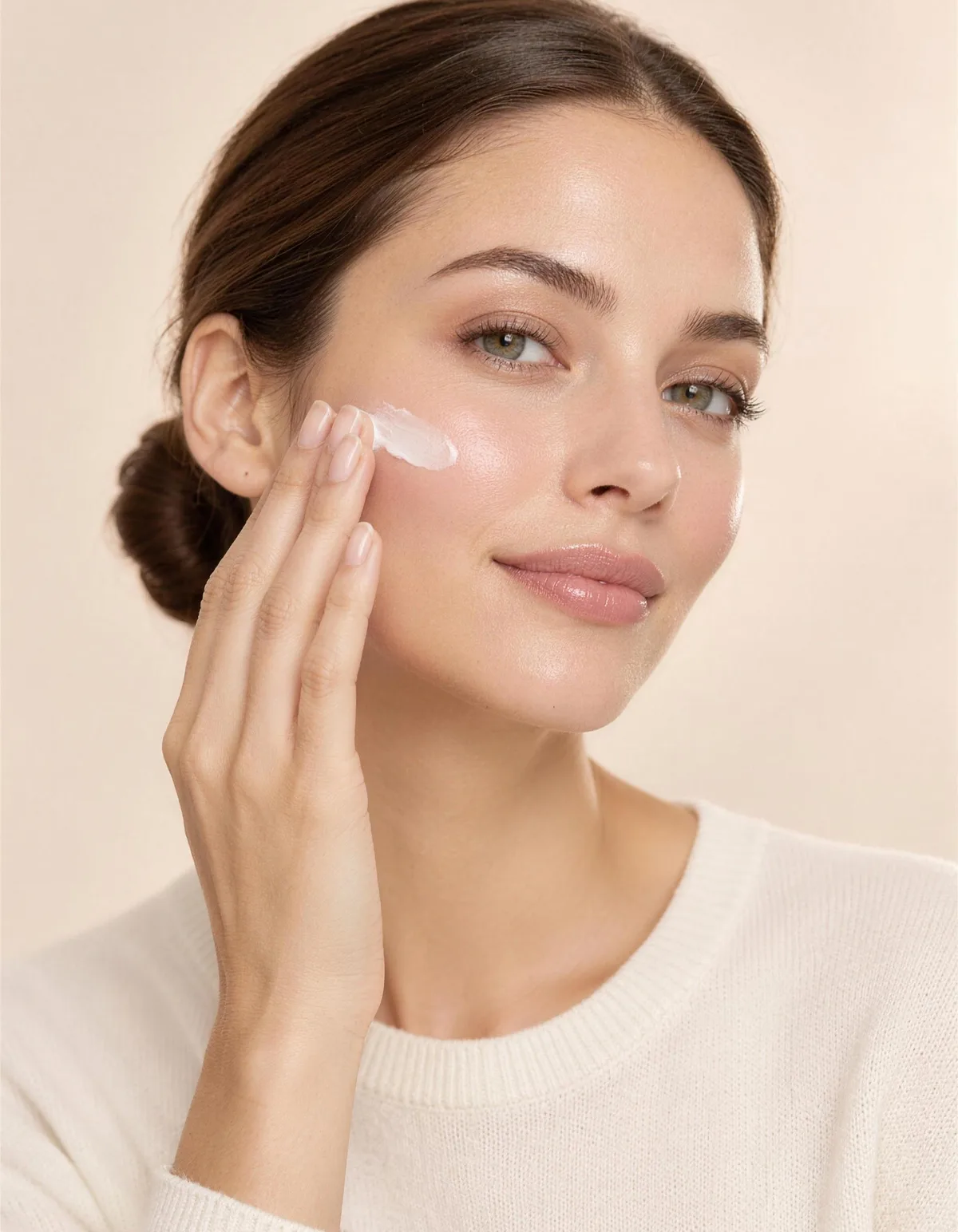
Slugging: what it is, who it helps, and who should skip it
Slugging explained: why a thin layer of petrolatum locks in moisture, how to do it, who it helps, why acne-prone skin should skip it, and actives to avoid.
The short answer
Slugging seals your night routine with a thin layer of petrolatum. It suits dry, normal and mature skin; oily and acne-prone skin should skip it. Apply over hydrator and moisturizer, and keep the layer thin.
- Skip retinoids, acids and benzoyl peroxide on slugging nights.
Slugging is the skincare habit of sealing your nighttime routine with a thin layer of petrolatum, such as plain petroleum jelly, so your skin keeps its moisture overnight. It can leave dry skin noticeably softer by morning, it costs very little, and it suits dry, normal and mature skin well. It is a poor fit for oily or acne-prone skin. Here is how slugging works, how to do it, who should skip it, and what not to put underneath.
What is slugging?
The name comes from the shiny, slug-like finish. As Ochsner Health explains, it means applying a layer of petrolatum to the face before bed to lock in moisture, after your usual products. It became popular on social media, but dermatologists have long recommended petrolatum-based ointments for very dry skin.
How does slugging work?
Petrolatum is an occlusive: it forms a barrier on the skin that slows the water that would otherwise evaporate overnight. Ochsner notes that research in the Journal of the American Academy of Dermatology showed petrolatum-based products block water loss by trapping moisture under the skin's surface. Well-hydrated skin cells look plumper, so fine dryness lines soften.
Who is slugging good for?
| Skin type | Slugging? | Notes |
|---|---|---|
| Dry or very dry | Yes | Often the biggest improvement |
| Normal | Yes, especially in winter | Once a week may be enough |
| Mature and dry | Yes | Often well tolerated nightly |
| Combination | Only on dry areas | Spot-slug the cheeks, skip the T-zone |
| Oily or acne-prone | Usually not | Can trap oil and dead skin and worsen breakouts |
Based on Ochsner Health dermatology guidance.
How to slug, step by step
- Cleanse with a gentle cleanser.
- Apply hydrating products on slightly damp skin, such as a hyaluronic acid serum, then a moisturizer.
- Warm a pea-sized amount of plain petroleum jelly between your fingertips.
- Press a thin layer over your face, avoiding the eyes; thin is enough.
- Use a pillowcase you can wash, since some will transfer.
- Wash it off in the morning with a gentle cleanser.
What not to use underneath
An occlusive layer can increase how much of the products underneath your skin absorbs. That is helpful for gentle hydrators, but it can make strong actives more irritating. On slugging nights, skip:
- Retinoids such as retinol and tretinoin; see retinal vs retinol.
- Exfoliating acids such as glycolic, lactic and salicylic acid.
- Benzoyl peroxide.
- Prescription creams, unless your doctor says otherwise.
A simple rule: slug on your rest nights, when your routine is just cleanser, hydrator and moisturizer.
Who should skip slugging?
- Acne-prone and oily skin: Ochsner warns slugging can trap dead skin cells, encourage bacteria and worsen breakouts.
- Clogged pores and milia: heavy occlusion can make them worse.
- Active infections or open wounds, unless a doctor recommends it.
How often should you slug?
Ochsner says most people can benefit once a week, and people with older, drier skin can often tolerate it nightly. Start once or twice a week and watch how your skin responds over two to three weeks.
Common slugging mistakes
- Applying too much: a thick layer only transfers to your pillow; thin works.
- Slugging over dirty skin: always cleanse first, or you seal in sweat and oil.
- Skipping hydration underneath: petrolatum seals moisture in but adds none of its own, so apply a hydrating serum or cream first.
- Using it over strong actives, which can increase irritation.
- Slugging every night from day one: start once or twice a week.
Slugging alternatives
- Thick, ceramide-rich night creams for a lighter seal.
- Spot slugging: lips, around the nose during a cold, cuticles, elbows and heels.
- Sleeping masks designed to stay on overnight.
- Balms: if you are curious about tallow balms, read about the risks first in our beef tallow for skin guide.
Is petroleum jelly safe?
Cosmetic petroleum jelly is highly refined and is considered safe when used as the label directs, according to Ochsner. It is fragrance-free, rarely causes allergies, and is one of the most common ingredients dermatologists recommend for very dry and irritated skin. Our guide to natural personal care labels explains why "natural" alternatives are not automatically gentler.
Read next: Azelaic Acid: Benefits, How to Use It, Side Effects · Melasma: Causes, Treatment and Prevention · Rosacea: Symptoms, Triggers and Treatment
Questions people ask about this
What is slugging in skincare?
Sealing your nighttime routine with a thin layer of petrolatum, such as petroleum jelly, so your skin keeps its moisture overnight.
Is slugging good for your skin?
For dry, normal and mature skin, it can leave skin softer and more hydrated. Oily and acne-prone skin should usually skip it.
Can slugging cause acne?
It can in acne-prone or oily skin, because the occlusive layer can trap oil and dead skin cells and worsen breakouts.
Can you slug with retinol?
It is best not to. Occlusion can increase how much of a retinoid or acid absorbs, making irritation more likely. Slug on rest nights.
How often should you slug?
Most people benefit from once a week. Very dry or mature skin often tolerates it nightly. Start slowly.
Do you wash off slugging in the morning?
Yes. Rinse with a gentle cleanser in the morning before your daytime routine and sunscreen.