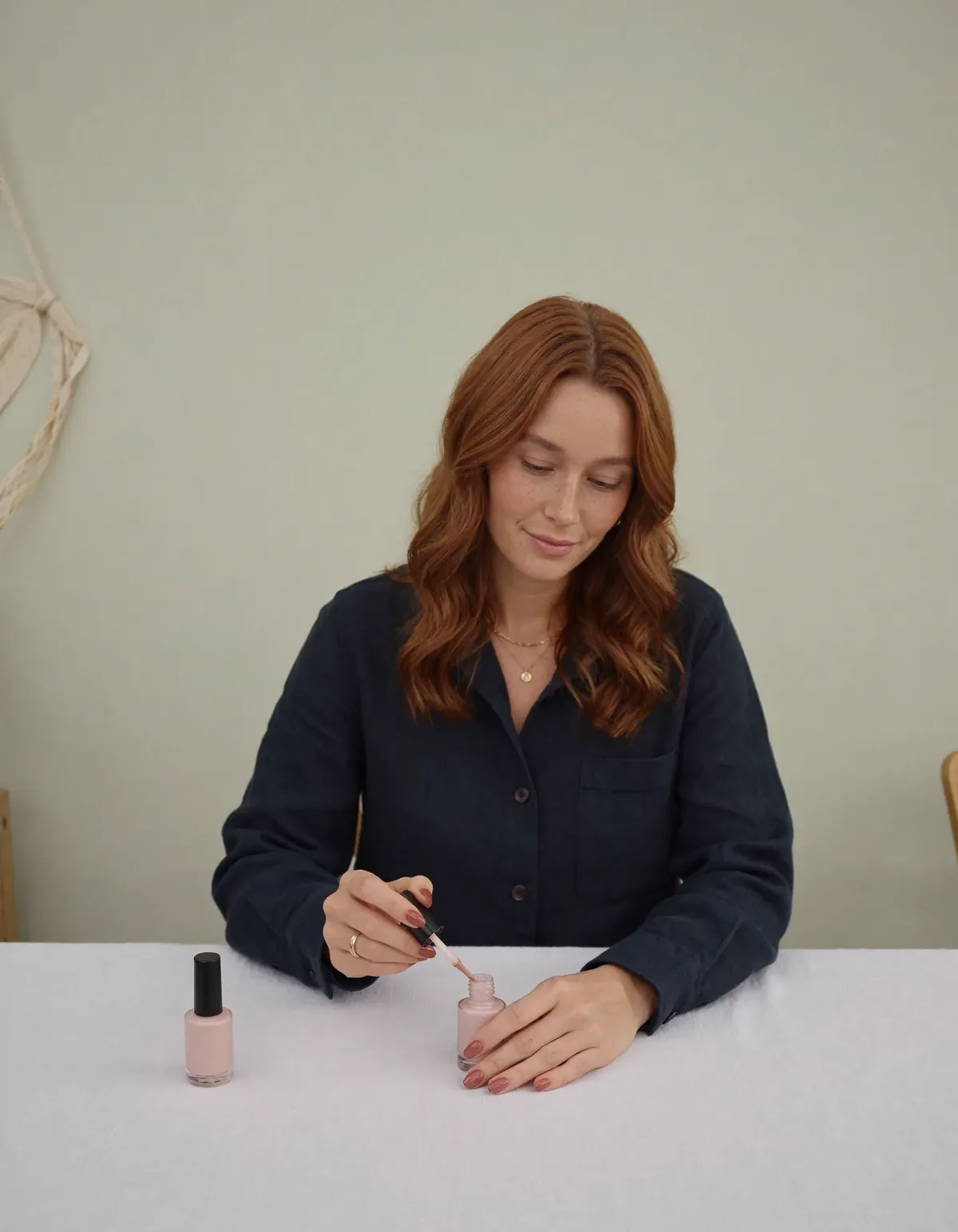
Nail strengtheners: do they work, and what actually makes nails stronger
Nail strengtheners explained: how hardeners work, when they make nails brittle, biotin and lab tests, habits dermatologists recommend, and when to get help.
The short answer
Nail strengtheners help soft or thin nails feel stronger while they grow. Strong hardeners can make dry nails brittle; use flexible formulas and oil instead. Gloves for wet work and moisturizing after handwashing help most.
- Biotin can affect lab tests; tell your doctor if you take it.
A nail strengthener is a clear treatment painted on like polish to make weak, peeling or bendy nails feel harder. Some help, especially for soft nails, but strong hardeners can make already dry nails more brittle, and no polish fixes nails damaged by habits underneath. Here is how nail strengtheners work, which type suits your nails, what to know about biotin, and the daily habits dermatologists recommend.
What is a nail strengthener?
Nail strengtheners and hardeners are clear coats that add a protective layer or chemically stiffen the nail. Some contain ingredients that cross-link the proteins in the nail to make it harder; others are protein-rich or flexible coatings that mainly protect and moisturize. They can be worn alone or under polish.
Types of nail strengthener
| Type | Best for | Worth knowing |
|---|---|---|
| Hardening formulas | Soft, thin, bendy nails | Use for a limited time; overuse can make nails brittle |
| Protein or keratin coats | Peeling nails | Protective and gentler |
| Flexible strengtheners | Dry, brittle nails that split | Add strength without stiffness |
| Nail and cuticle oils | Dry nails, after gel | Not a strengthener, but improves flexibility |
If your nails are dry and brittle, a flexible formula and oil usually help more than a hardener.
Do nail strengtheners work?
They can make nails feel stronger and protect them while they grow out, especially soft or thin nails. But nails split and peel mainly from water, dryness and damage, so a coating works best combined with better habits. If your nails are already dry and brittle, a strong hardener can make them less flexible and more likely to snap; switch to a flexible formula if that happens.
How to use a nail strengthener
- Start with clean, dry nails, free of oil and old polish.
- File in one direction to smooth edges.
- Apply a thin coat and let it dry fully.
- Follow the label: many are reapplied every few days and removed weekly.
- Take breaks from hardening formulas if nails start to feel stiff or brittle.
Daily habits that make nails stronger
The American Academy of Dermatology recommends:
- Limit water exposure: wear gloves for dishes and cleaning, and moisturize after washing your hands.
- Keep nails clean and dry.
- Cut straight across with sharp clippers, rounding the tips slightly, and file with an emery board.
- Do not bite nails or remove cuticles.
- Do not use nails as tools, such as for opening cans.
Our guide to why nails peel and split goes deeper.
What about biotin?
Biotin supplements are widely sold for nails, but the evidence is limited, and there is an important safety point: the FDA warns that biotin can interfere with some lab tests, including tests for heart attacks, causing falsely high or low results. If you take biotin, tell your doctor and the lab before any blood test.
Nails after gel or acrylics
- Take a break between sets if your nails feel thin.
- Soak off gel properly rather than peeling; see removing gel nails without damage.
- Use cuticle oil daily and a flexible strengthener while nails grow out.
- Keep nails short until the damaged part grows out.
Our guide to whether gel polish is bad for your nails explains how to keep gel manicures gentler.
Nail strengthener or regular base coat?
A regular base coat helps polish stick and prevents staining, but it does not add strength. If your nails peel or bend, use a strengthener as your base, or wear it alone. Many people alternate: a strengthener for a few weeks, then a break with just cuticle oil.
When weak nails need a doctor
The AAD says nail changes, swelling or pain can be signs of serious nail problems. See a dermatologist if nails change color or shape, separate from the nail bed, or are suddenly very brittle, since thyroid problems, iron deficiency, psoriasis and fungal infections can all affect nails.
Read next: Gel Nails at Home: How to Do Your First Set · Gel Nail Kit for Beginners: What to Buy First · Why Do My Gel Nails Lift? Causes and Fixes
Questions people ask about this
Do nail strengtheners really work?
They can make soft or thin nails feel stronger and protect them while they grow. They work best alongside habits that limit water and dryness.
Can a nail hardener make nails worse?
Yes. On dry, brittle nails, strong hardening formulas can reduce flexibility and cause snapping. Switch to a flexible formula and use cuticle oil.
How do I make my nails stronger naturally?
Wear gloves for wet work, moisturize after handwashing, keep nails short, file in one direction, and avoid biting or using nails as tools.
Does biotin help nails?
Evidence is limited, and the FDA warns biotin can interfere with some lab tests. Tell your doctor if you take it.
How do I strengthen nails after gel polish?
Take a break, soak off gel properly, use cuticle oil daily, keep nails short, and use a flexible strengthener while they grow out.
When should I see a doctor about weak nails?
If nails change color or shape, lift from the nail bed, swell, hurt or suddenly become very brittle.