Why nails peel and split, and what actually stops it
Peeling is usually water and friction rather than diet. What rebuilds nothing, what genuinely helps, and the point at which it is worth seeing someone about it.
Peeling nails get blamed on diet almost immediately, and for most people that is the wrong suspect. The nail plate is layered keratin, and peeling — onychoschizia, if you want the word — is those layers separating at the free edge. The overwhelming cause is mechanical and environmental: water, and what you do with your hands.
Why water is the main culprit
The nail plate absorbs water and swells, then dries and contracts. Each cycle stresses the bonds between the layers, and repeated enough times they separate. This is why it is worse in winter, worse for people who wash their hands frequently, and worse for anyone whose hands are in and out of water all day.
It is also why the standard advice — wear gloves for washing up — is unglamorous and genuinely the most effective single thing on this page.
The other real causes
Acetone and solvents strip oil from the plate and leave it brittle. That is reversible, but repeated often enough it compounds with everything else.
Filing badly. Sawing back and forth with a coarse file works the layers apart at the edge. File in one direction, with a fine grit, on a dry nail.
Using your nails as tools. Opening cans, scratching labels, prising things. Enormously common and rarely connected to the outcome.
Peeling polish or gel off. This removes actual layers of nail plate, not just colour. It is the single most damaging habit in this category and the reason gel gets blamed for damage it did not cause — the full mechanism is in is gel polish bad for your nails.
Age. Nails get drier and more brittle with age. Not fixable, but it changes how much the avoidable causes matter.
When it actually is medical
Most peeling is not, but some is, and the distinguishing features are reasonably clear.
Iron deficiency is the most common genuine nutritional cause, and it usually shows as nails that are brittle and spoon-shaped — concave, dipping in the middle — rather than simply peeling. Worth a blood test rather than a supplement guess, since taking iron you do not need is its own problem.
Thyroid disorders affect nail growth and texture, typically alongside other symptoms you would have noticed.
Signs to take to a doctor rather than a nail bar: nails lifting away from the bed, green or black discolouration, thickening with crumbling, pitting like the surface of a thimble, a dark stripe running lengthways, or pain and swelling around the nail. Horizontal ridges across the nail record an illness or interruption to growth and simply grow out.
| Effect | Honest assessment | |
|---|---|---|
| Gloves for wet work | Large | The most effective thing here, and free |
| Oil twice daily | Large | Jojoba penetrates the plate; be consistent |
| Keeping them short | Large | Less leverage, less catching, less snapping |
| One-direction filing, fine grit | Moderate | Stops you creating the split |
| Biotin supplement | Small to none | Only if genuinely deficient, which is rare |
| “Strengthening” hardeners | Often negative | Formaldehyde makes brittle nails more brittle |
| Gel or acrylic as protection | Mixed | Protects while on; the removal is the risk |
Nothing in this table repairs an existing split. The plate is not living tissue and does not heal — the job is protecting what grows in.
The hardener trap
This is worth its own paragraph because it is counterintuitive. Products sold to strengthen nails frequently contain formaldehyde or toluenesulfonamide, which cross-link keratin and make the plate harder. Harder is not stronger. A hard, rigid nail cannot flex, so instead of bending it snaps, and the peeling gets worse.
If your nails are thin and peeling, you want flexibility and moisture, not rigidity. The useful products are oils and anything keeping the plate hydrated. Hardeners suit a different problem — soft nails that bend rather than break — and using them for this one reliably makes it worse.
The routine that works
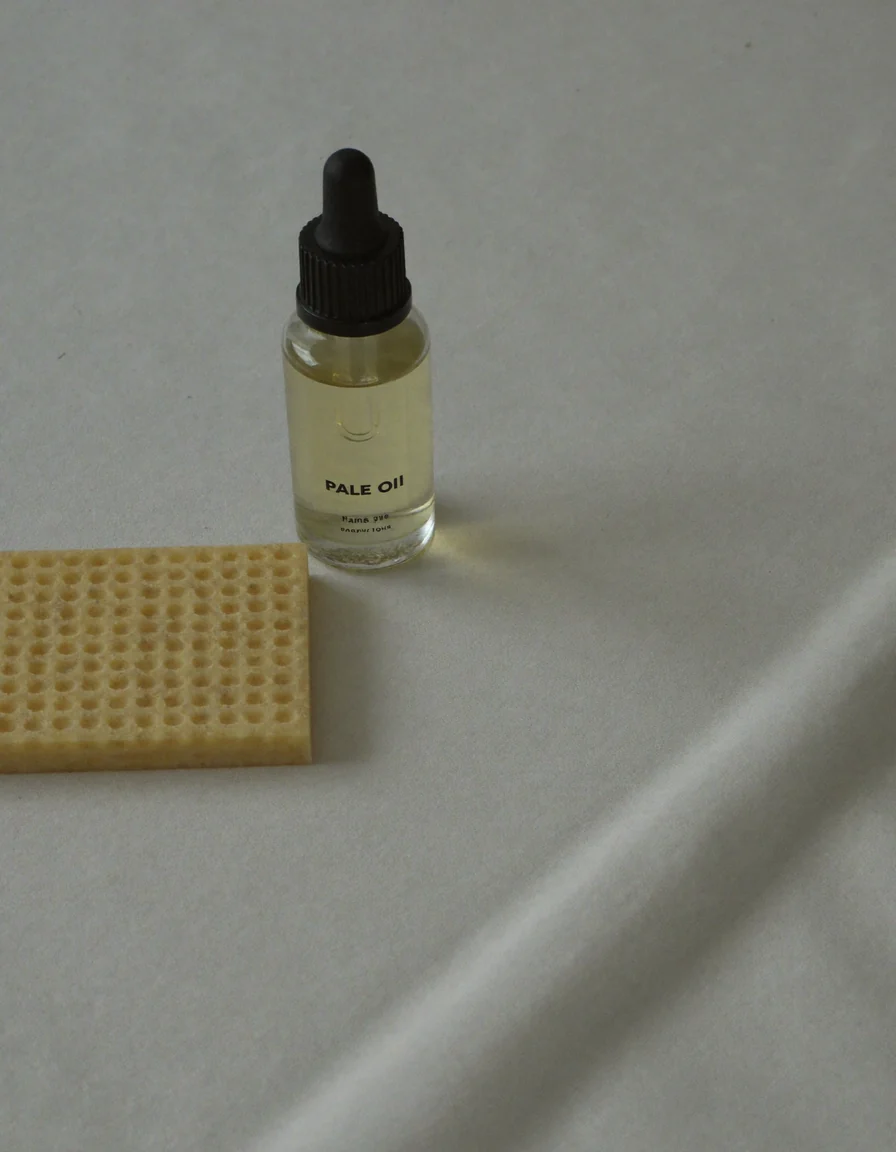
Oil, daily, into the cuticle and the surrounding skin, and be boring about it. Jojoba is worth naming specifically because its molecule is small enough to actually penetrate the plate rather than sit on it. Twice a day beats an expensive treatment once a week.
Keep them short while they recover — short nails have less leverage and catch on less. Gloves for washing up and cleaning. A fine file in one direction. Hand cream after every wash, and push the residue around the nails.
Then wait. A fingernail fully replaces in roughly four to six months, and no product shortens that. What you are doing is making sure the nail growing in now is in better condition than the one growing out — the same logic, and the same timeline, as repairing nails after gel.
Questions people ask about this
Why do my nails peel?
Usually repeated wetting and drying, which swells and contracts the nail plate until its layers separate. Acetone, filing back and forth with a coarse file, using nails as tools and peeling polish off all add to it. Diet is a far less common cause than people assume.
Does biotin actually help peeling nails?
Only if you are genuinely deficient, which is uncommon. The evidence for supplementing biotin in people with normal levels is weak. Iron deficiency is the more common nutritional cause worth testing for, and it usually shows as brittle, spoon-shaped nails rather than simple peeling.
Do nail hardeners fix peeling nails?
Usually they make it worse. Hardeners containing formaldehyde cross-link keratin and make the plate more rigid, and a rigid nail snaps instead of flexing. Thin, peeling nails need flexibility and moisture — oil rather than hardener.
How long do peeling nails take to recover?
A fingernail fully replaces in roughly four to six months and a toenail closer to a year. Damage grows out rather than heals, because the nail plate is not living tissue. Nothing shortens that timeline — the aim is for the nail growing in to be in better condition than the one growing out.
When should I see a doctor about my nails?
If nails are lifting away from the bed, discoloured green or black, thickening and crumbling, pitted like a thimble, or showing a dark stripe running lengthways — and for any pain or swelling around the nail. Horizontal ridges usually just record a past illness and grow out.