Shapewear that works is the piece you forget you are wearing
Compression that redistributes rather than squeezes, why sizing down is the most common and most uncomfortable mistake, and the seam construction that decides whether it shows.
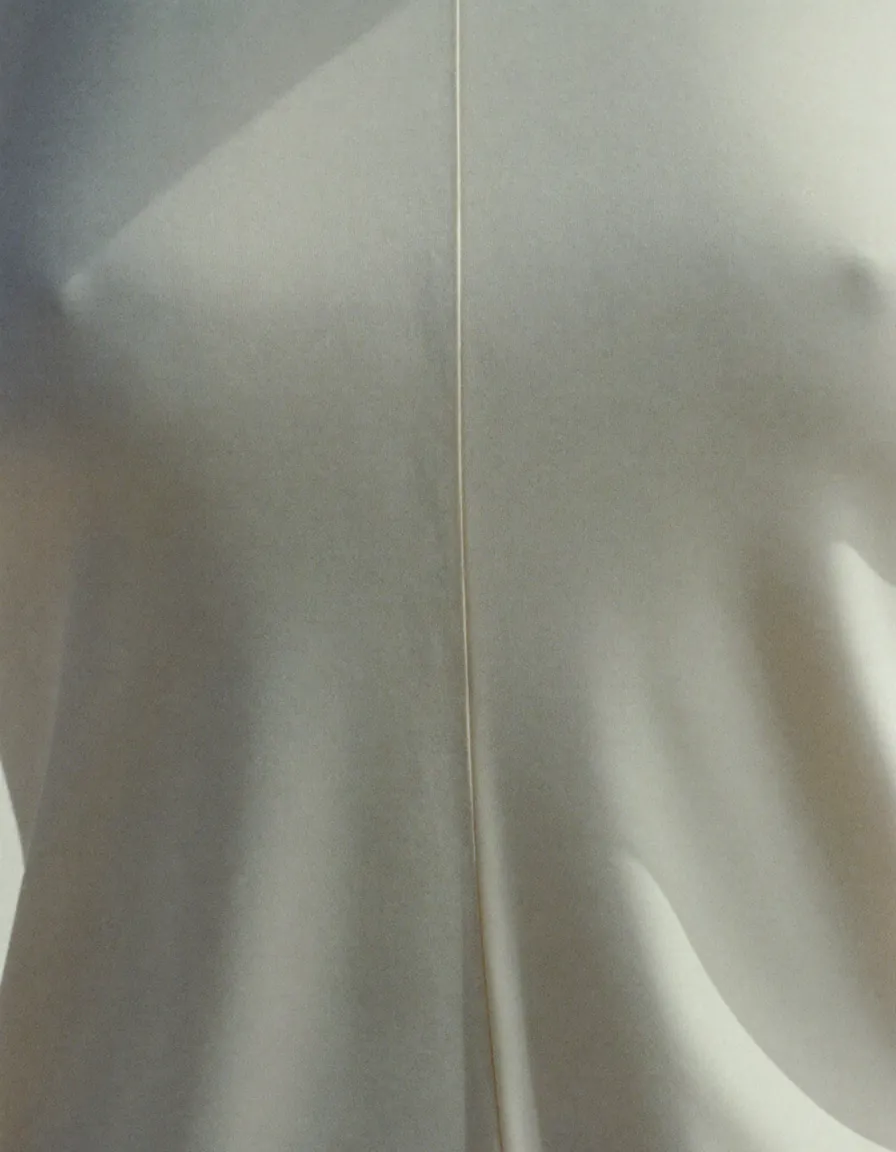
Shapewear has a simple test that almost nobody applies in the shop: if you are aware of it two hours later, it is wrong. Not the wrong style — wrong. The entire category is sold on how much it compresses, and compression is the variable most likely to make a garment unwearable.
Redistribution, not compression
The physical reality is that soft tissue is not compressible in the way the marketing implies. It moves. A garment that squeezes hard at one point pushes that volume somewhere else — usually up, to the edge of the garment, which is exactly the line you were trying to avoid.
What actually works is even, moderate tension across a wide area, so the shape is smoothed and redistributed rather than concentrated. This is why a long, gently firm piece looks better under clothes than a short, aggressively tight one, and why the highest-compression option on the rail is rarely the one that photographs best.
Sizing down is the classic mistake
It feels logical — tighter should mean more effect — and it produces every problem the category is known for. A garment a size too small rolls down at the top, digs in at the leg opening, creates the ridge everyone is trying to avoid, and is abandoned within a month.
Buy your actual measured size. If between sizes, go up and pick a firmer fabric rather than staying down and relying on stretch, because a garment working at the very top of its stretch range is the one that rolls.
Construction: what decides whether it shows
Three things, all checkable.
Edges. The visible ridge comes from the edge, so what happens there decides everything. Bonded, laser-cut or raw-edge finishes disappear under clothes. A conventional elasticated hem or a thick seam will read through anything close-fitting. This single detail separates shapewear that works under a dress from shapewear that does not.
Seam placement. Flat-locked seams lie smooth; overlocked seams create a ridge. Run a hand over the outside — if you can feel a raised line, so will the fabric over it.
Silicone grip. A band of silicone at a hem is what stops migration, and it is far more effective than tightness at keeping a garment where you put it. Its absence is why pieces travel.
The same construction logic runs through lingerie generally, including the part about elastane being the thing that dies first — shapewear is elastane-heavy by definition, so it ages faster than anything else in the drawer and the same laundry rules matter more, not less.
Practical notes
Match the piece to the garment rather than buying one for everything: a high-waisted short works under most things, a full slip solves a clingy dress, and separate pieces solve separate problems better than one maximal garment. Natural-fibre or bamboo-blend gussets matter if you are wearing it all day, because a fully synthetic occlusive layer worn for twelve hours is a genuine comfort problem and occasionally a medical one.
Wash it the way you would wash lingerie — cool, gentle, never tumble dried — because heat is what kills the elastane that the whole garment depends on. And be realistic about lifespan: a piece worn weekly is doing hard work and will lose its recovery within a year or so. That is not a defect, it is the material.
Questions people ask about this
What size shapewear should I buy?
Your actual measured size. Sizing down is the most common mistake and causes every problem the category is known for — rolling at the top, digging at the leg opening, and the visible ridge people are trying to avoid. If between sizes, go up and choose a firmer fabric rather than staying down and relying on stretch.
Why does my shapewear roll down?
Usually because it is too small and working at the top of its stretch range, or because it has no silicone grip band at the hem. A silicone band keeps a garment in place far more effectively than tightness does — and tightness is what causes rolling in the first place.
How do I stop shapewear showing under clothes?
Look at the edges, which is where the visible ridge comes from. Bonded, laser-cut or raw-edge finishes disappear under clothing; conventional elasticated hems and thick seams read through anything close-fitting. Also check seams are flat-locked rather than overlocked — run a hand over the outside and feel for a raised line.
Is high-compression shapewear more effective?
Usually less. Soft tissue is not compressible the way the marketing implies — it moves, so concentrated squeezing pushes volume to the edge of the garment and creates the line you were avoiding. Even, moderate tension over a wide area redistributes rather than concentrates, and looks better under clothes.
How long does shapewear last?
A piece worn weekly will lose its recovery within about a year. Shapewear is elastane-heavy by definition and elastane is what fails first, so it ages faster than the rest of the drawer. Wash it cool and gently and never tumble dry it, since heat destroys elastane permanently.