Nickel allergy: what you can actually wear
Nickel sits in most white gold, a lot of sterling and nearly all steel. Which metals are genuinely safe, what the EU limit does not cover, and how to test a piece you already own.
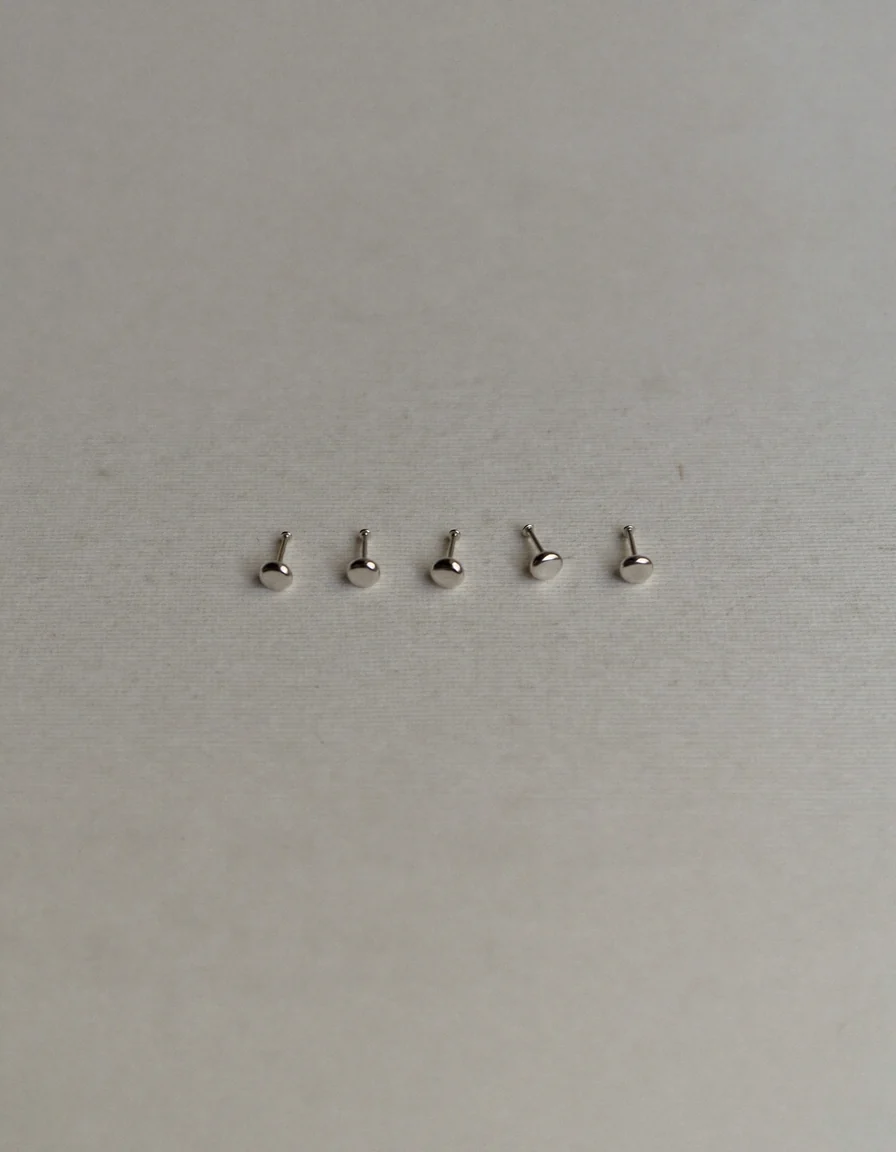
Nickel is the most common contact allergy there is, affecting somewhere around one in six people and considerably more women than men — largely because ear piercing is the usual sensitising event. Once you are sensitised you stay sensitised. There is no building tolerance, and reactions tend to get easier to trigger rather than harder.
The frustrating part is that nickel is in most of the metals jewelry is actually made from, and almost none of them say so.
Where nickel actually is
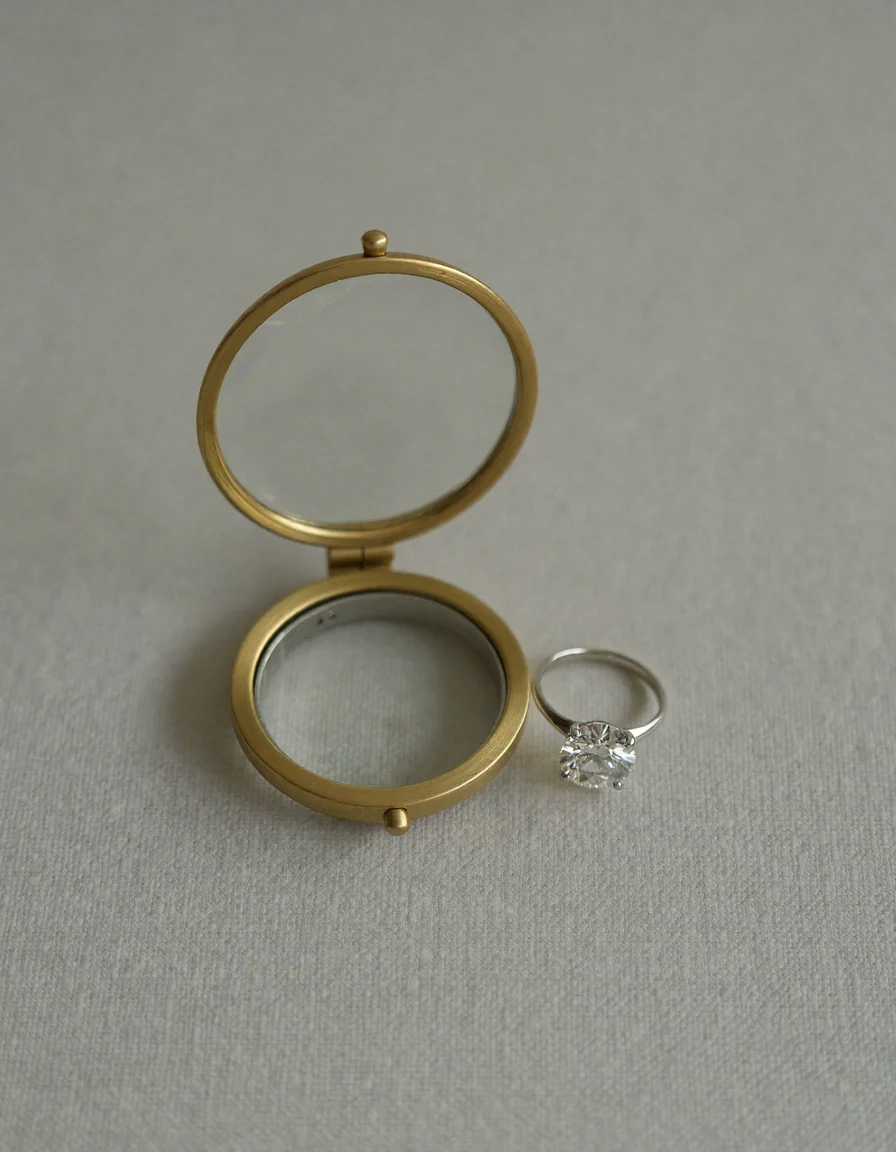
White gold is the one that catches people out. Gold is naturally yellow; white gold is gold alloyed with a white metal to change the colour, and historically that metal is nickel. It is then usually rhodium-plated, which hides it — until the rhodium wears through at the back of the band, which takes a year or two of daily wear, at which point a ring that was fine starts causing a reaction.
Sterling silver is 92.5% silver and 7.5% “something else,” normally copper. Copper is fine for nickel allergy. But there is no rule that the remainder must be copper, and cheaper sterling sometimes contains nickel.
Stainless steel, including everything sold as “surgical steel,” contains nickel — 316L, the honest version of that phrase, is roughly 10 to 14% nickel. It is bound tightly in the alloy and many people wear it without trouble, but “surgical” is doing persuasive work it has not earned. We went through that in what the metal on a piercing actually means.
Costume and plated jewelry is usually brass underneath, which frequently contains nickel, with a thin coating over it. It works until the coating wears at a rub point, which is a matter of months.
What is genuinely safe
| Metal | Nickel | Worth knowing |
|---|---|---|
| Implant-grade titanium (ASTM F136) | None | The reliable answer. Light, and the standard is nameable |
| Niobium | None | Hypoallergenic, can be anodised to colours |
| Platinum | None in practice | Expensive, very durable, often 95% pure |
| Solid yellow gold, 14k–18k | Usually none | Yellow gold alloys use copper and silver; ask anyway |
| Sterling silver | Usually none | The 7.5% is normally copper — not guaranteed |
| White gold | Often | Nickel is the traditional whitener; palladium white gold is not |
| Stainless / “surgical” steel | Yes, 10–14% | Tolerated by many, not by the sensitised |
| Plated base metal | Usually | Fine until the coating wears through |
Ask for the standard rather than the adjective. A seller who has paid for ASTM F136 titanium will say so, because it costs more than steel.
Two useful specifics. Palladium white gold exists and is nickel-free — if you want white metal and react to nickel, that is the question to ask, by name. And higher karat is safer for the simple reason that there is less room for anything else: 18k is 75% gold, so whatever the alloy is, there is a quarter of the piece for it to hide in rather than nearly half.
What the EU nickel limit does and does not do
EU regulation limits nickel release — how much migrates to skin over time — rather than banning nickel content. The limits are strict and they genuinely reduce reactions in most people. Two gaps worth knowing: the limit is a release rate, so a highly sensitised person can still react to a compliant piece; and it only binds what is sold in that market, which is not the same as what arrives by post from elsewhere.
So “EU compliant” is meaningfully better than nothing and is not the same as nickel-free.
Testing a piece you already own
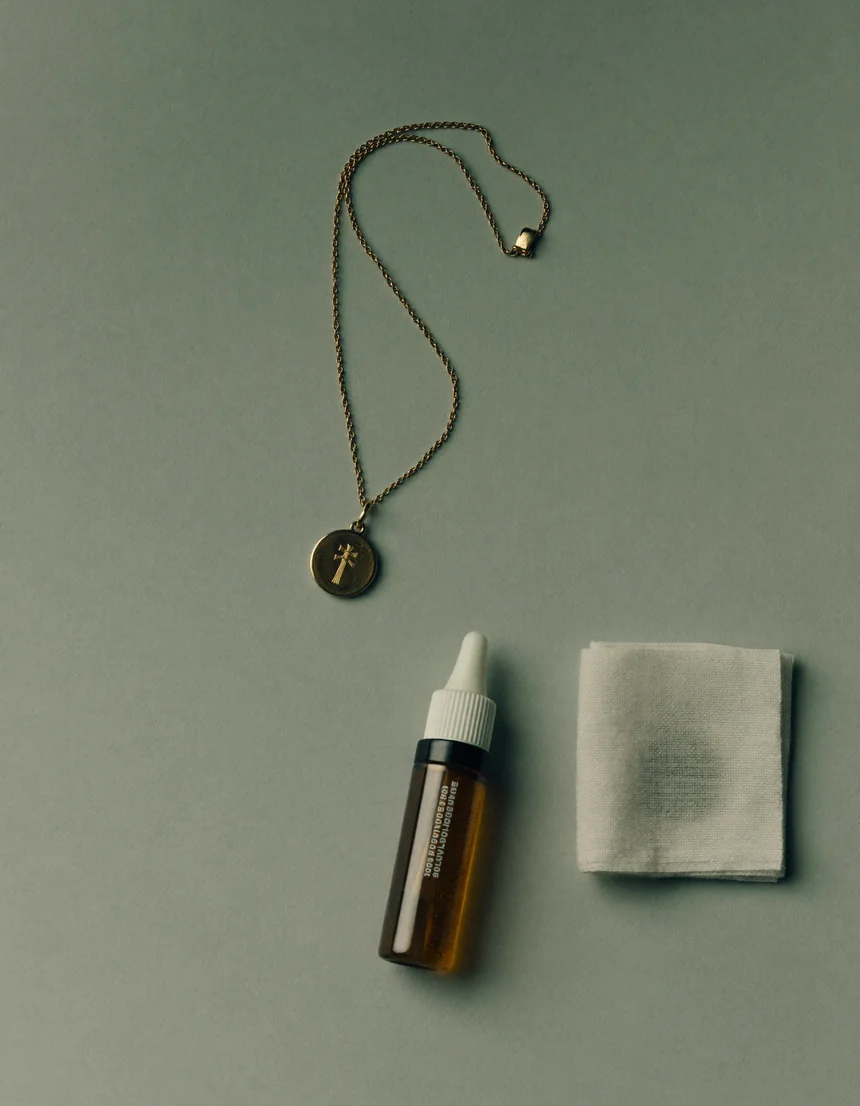
Nickel spot test kits are inexpensive, sold for exactly this, and work by swabbing the piece with a solution that turns pink in the presence of released nickel. They are the only way to get an answer about something already in your drawer, and they test the surface that touches you, which is the surface that matters.
Test the inside of a band and the back of an earring post, not the polished front. That is where wear happens and where a worn-through coating shows first.
If you are reacting right now
The rash is contact dermatitis: itching, redness, sometimes small blisters, appearing where the metal sat and usually a day or two after exposure rather than immediately. That delay is why people often blame the wrong piece.
Take the piece off and leave it off. Clear barrier lacquers sold to paint over jewelry do work, briefly, and they wear off without announcing it — fine for one evening in an inherited ring, not a solution for something worn daily. If a piercing is involved, or the reaction is spreading beyond where the metal touched, that is a doctor rather than a different earring.
And when you replace the piece, buy the standard rather than the adjective. The pattern is the same one running through which labels actually mean something: a brand that has paid for implant-grade titanium will name the specification, and a brand reaching for “hypoallergenic” has told you nothing, because nothing sits behind that word.
Questions people ask about this
What jewelry is safe for a nickel allergy?
Implant-grade titanium to ASTM F136, niobium and platinum are the reliable answers. Solid yellow gold at 14k or higher is usually safe because yellow gold alloys use copper and silver. Avoid traditional white gold, stainless or "surgical" steel, and plated base metal.
Does white gold contain nickel?
Often, yes. Gold is naturally yellow, and nickel is the traditional metal used to whiten it. The rhodium plating on top hides it until that plating wears through at the back of the band, which is why a ring can be fine for a year and then start causing a reaction. Palladium white gold is the nickel-free alternative.
Is sterling silver nickel free?
Usually but not guaranteed. Sterling is 92.5% silver and 7.5% other metal, normally copper, which is fine for a nickel allergy — but nothing requires that remainder to be copper, and cheaper sterling sometimes contains nickel.
Is surgical steel safe for sensitive ears?
Not reliably. "Surgical steel" is not a regulated term, and its honest form — 316L — is roughly 10 to 14% nickel. Many people wear it without trouble because the nickel is tightly bound, but anyone already sensitised should use implant-grade titanium instead.
How can I test whether jewelry contains nickel?
Use a nickel spot test kit, which swabs the piece with a solution that changes colour when nickel is released. Test the inside of a band or the back of an earring post rather than the polished front, because that is where coatings wear through first.