Everyday gold jewelry: how to buy it, test it and care for it
Gold you wear every day has different needs from gold you wear twice a year. This guide links our jewelry pieces in the order you meet the questions: what to buy, whether it is real, how to clean it and what your skin can wear.
1 Pick the karat for how you will wear it
Higher karat means purer gold, not better jewelry for every purpose: purity trades directly against hardness. 14k is the sweet spot for pieces worn daily. 18k has the richer color and suits sensitive skin better, which makes it right for pieces worn less often.
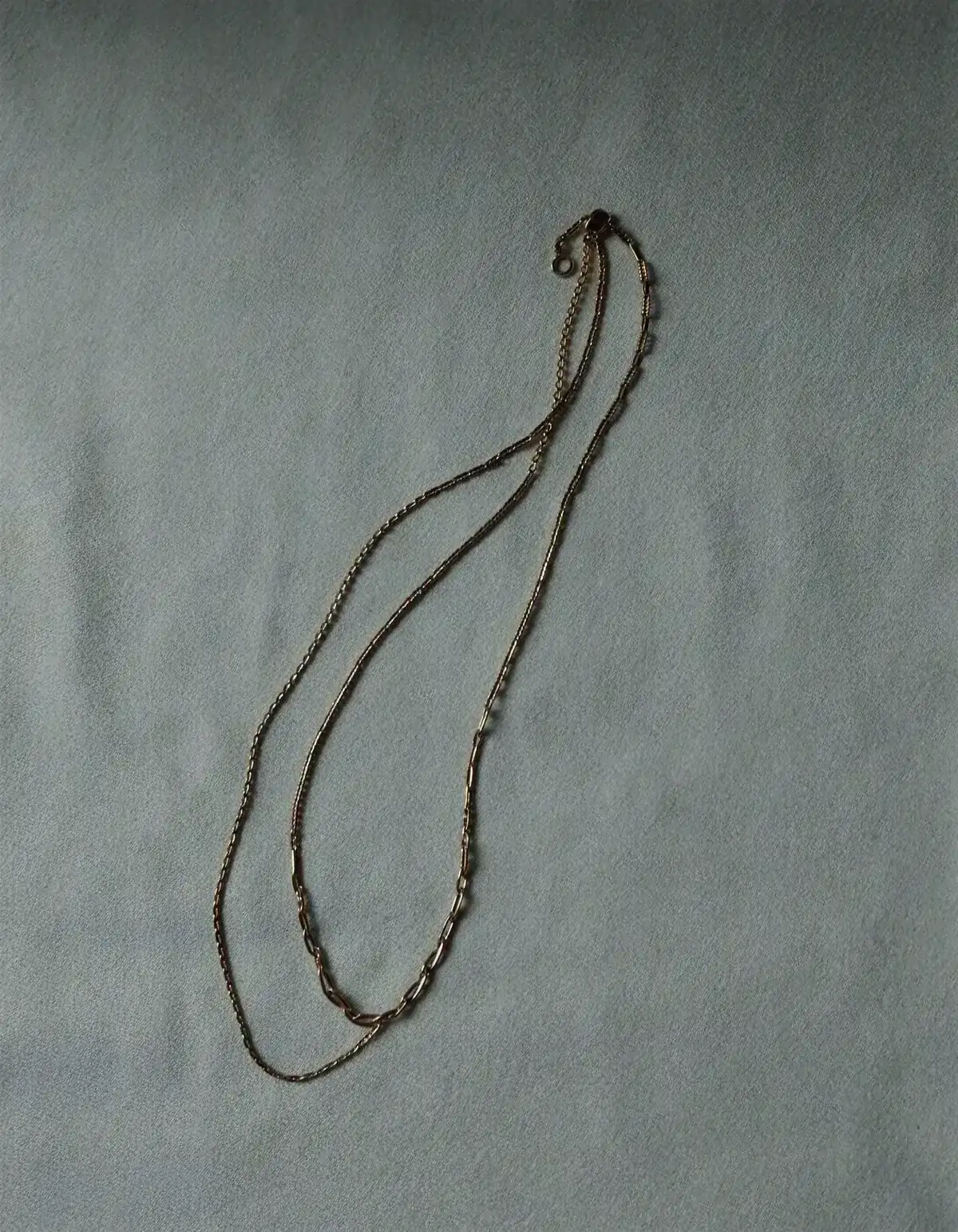
2 Check that it is real
Start with the hallmark, and learn the plating codes (GP, HGE, GF) that sit next to a karat number. Gold is not magnetic, plating wears through first at the highest-contact points, and a kitchen-scale density check separates solid gold from brass, which a simple float test cannot.
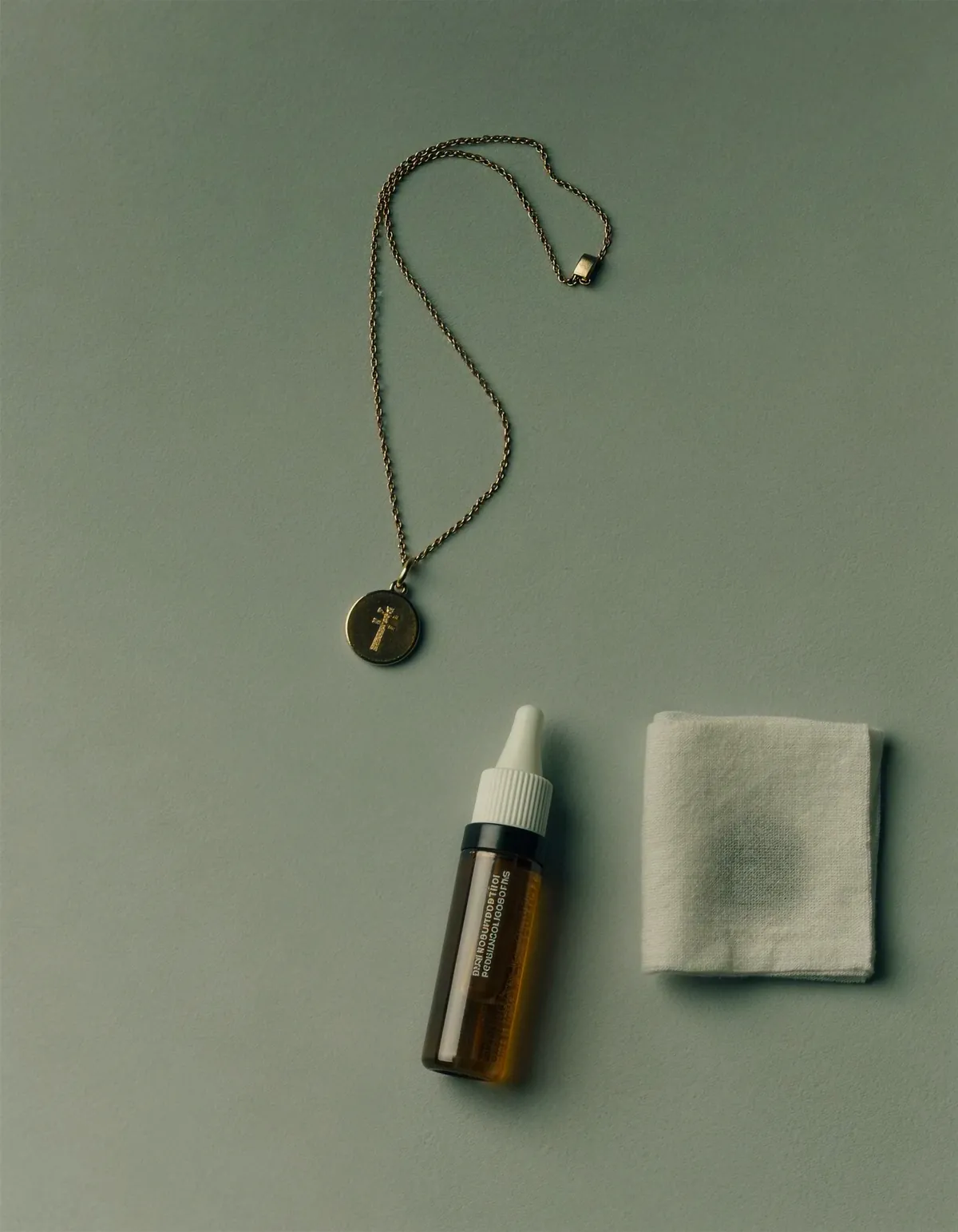
3 Clean it, and know what water does
Warm water and a drop of dish soap does almost all of it. Some household remedies cause the damage they promise to undo, especially on plated pieces. And “waterproof” has no standard behind it: gold thickness and what sits underneath decide whether a piece survives the shower.
 How to clean gold jewelry at home without damaging it
Warm water and a drop of dish soap does almost all of it. What must never touch plating, and the home remedies that cause the damage they promise to fix.
Read this one
How to clean gold jewelry at home without damaging it
Warm water and a drop of dish soap does almost all of it. What must never touch plating, and the home remedies that cause the damage they promise to fix.
Read this one
 Jewelry you can actually shower in, and why “waterproof” tells you nothing
“Waterproof” has no standard behind it. Gold thickness and what sits underneath decide whether a piece survives, and water is not what kills it.
Read this one
Jewelry you can actually shower in, and why “waterproof” tells you nothing
“Waterproof” has no standard behind it. Gold thickness and what sits underneath decide whether a piece survives, and water is not what kills it.
Read this one
4 Choose metals your skin can wear
Nickel is in most white gold, a lot of sterling silver and nearly all steel, and it is the most common metal allergy. For new piercings, implant-grade titanium is nickel-free and light, while “surgical steel” is a marketing phrase that covers alloys containing nickel.
 Nickel allergy: what you can actually wear
Nickel is in most white gold, a lot of sterling and nearly all steel. Which metals are safe, what the EU limit misses, and how to test what you own.
Read this one
Nickel allergy: what you can actually wear
Nickel is in most white gold, a lot of sterling and nearly all steel. Which metals are safe, what the EU limit misses, and how to test what you own.
Read this one
 Piercing jewelry: “surgical steel” is not a standard, and titanium is not a fad
The best piercing jewelry metal is implant-grade titanium: nickel-free and light. “Surgical steel” covers alloys with nickel, and cartilage heals slowly.
Read this one
Piercing jewelry: “surgical steel” is not a standard, and titanium is not a fad
The best piercing jewelry metal is implant-grade titanium: nickel-free and light. “Surgical steel” covers alloys with nickel, and cartilage heals slowly.
Read this one
Safety, in one paragraph
If a piece leaves your skin itchy, red or blistered, take it off. A dermatologist can patch-test for nickel and other metal allergies.
Questions people ask
Is 14k or 18k gold better for everyday wear?
14k, for most people. It is harder, so it scratches and bends less. 18k has a richer color and is gentler on sensitive skin, so it suits pieces worn less often.
How can I tell if gold is real at home?
Check the hallmark and plating codes, look for color change where it rubs, try a strong magnet, and measure density with a kitchen scale. An electronic or XRF test at a jeweler is the conclusive one.
Can I shower in gold jewelry?
Solid gold survives water; plated pieces wear faster with soap and friction. Take plated jewelry off to shower and swim.
What jewelry can I wear with a nickel allergy?
Implant-grade titanium, niobium, platinum and high-karat yellow gold are the usual safe choices. White gold and many silver and steel pieces contain nickel.
