Walking pads: are they worth it, and how to choose and use one
Walking pads explained: what the step research says, who they suit, what to look for in speed, size and noise, desk setup, safety, and how to build the habit.
The short answer
A walking pad is a slim treadmill for slow walking, often under a standing desk. A 2022 meta-analysis found benefit leveled off at about 6,000 to 8,000 daily steps over 60, and 8,000 to 10,000 under 60. Look for enough belt length, a quiet motor, the right speed range and easy storage.
- Walk at 1 to 2 mph while working, start with short sessions, and wear sneakers.
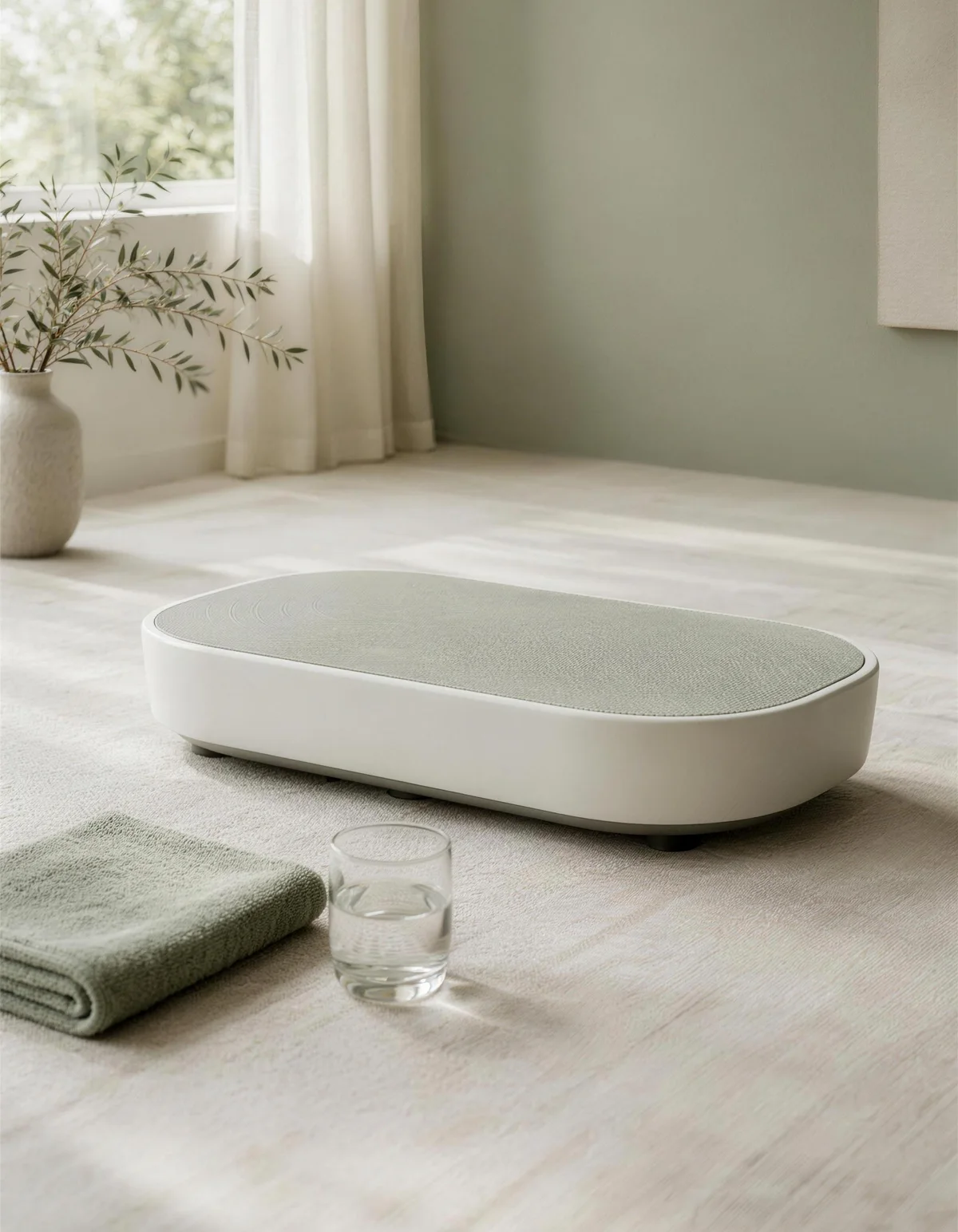
A walking pad is a slim, low treadmill designed for slow walking, often under a standing desk. For people who sit most of the day, it is an easy way to add thousands of steps without finding extra time. It is not a running machine, and it works best when you build the habit gradually. Here is what the step research says, who a walking pad suits, what to look for, and how to set one up safely.
Why steps matter
A 2022 meta-analysis in The Lancet Public Health pooled data from 15 groups of adults to look at daily steps and the risk of dying from any cause. Risk kept falling as steps rose, leveling off at about 6,000 to 8,000 steps a day for adults aged 60 and over, and about 8,000 to 10,000 for younger adults. The authors noted that the popular 10,000-step target has little evidence behind it as a single magic number. More steps helped, up to a point, at any age.
These are observational findings: people who walk more tend to live longer, which does not prove the steps alone caused it. But walking is low-risk, and adding it to a sitting day is a sensible goal.
Is a walking pad worth it?
- Worth it if: you work at a desk, find it hard to fit in walks, have a standing desk or can add one, and will use it most days.
- Less useful if: you want to run, already walk a lot outdoors, or have nowhere to keep it.
What to look for in a walking pad
| Feature | What to look for | Why |
|---|---|---|
| Speed range | Up to about 3.5 to 4 mph for walking | Desk walking is usually 1 to 2.5 mph; higher speeds are for walking without working |
| Belt size | Long and wide enough for your stride | A short belt makes you shuffle and feels unsafe |
| Weight limit | Comfortably above your weight | Affects motor life and stability |
| Noise | A quiet motor | Matters for calls and shared spaces |
| Size and storage | Folds, slides under a sofa or stands upright | If it is hard to put away, it goes unused |
| Controls | A remote or app, and an easy stop | You need to stop quickly |
Check the return policy: noise and belt length are hard to judge until you use one at home.
How to set up a walking pad desk
- Desk height: raise the standing desk so your elbows bend at about 90 degrees while you walk; the walking pad adds a few inches of height.
- Screen at eye level, so you do not look down.
- Go slow: 1 to 2 mph is enough to type and take calls; faster speeds make typing harder.
- Leave space around the belt and keep cords clear.
- Wear supportive sneakers, not socks or slippers; see our guide to women's sneakers.
How to build the habit
- Start with 20 to 30 minutes at a time, a couple of times a day, and build up.
- Walk during easy tasks such as email, reading and calls; sit or stand still for detailed work.
- Track your steps to see the change, and aim for the ranges above rather than a fixed 10,000.
- Alternate walking, standing and sitting through the day.
Safety
- Use the safety clip or keep the remote within reach to stop quickly.
- Keep children and pets away from the belt.
- Start slower than you think, and hold the desk when stepping on or off.
- If you have balance problems, joint pain or a heart condition, ask a doctor before starting.
Walking pad vs walking outside
Outdoor walking adds daylight, fresh air and varied terrain; a walking pad adds steps on days you cannot get out. They work best together. Walking also pairs well with strength work for bones and muscles: see our guides to standing core exercises and vibration plates, and for overall wellbeing, how to lower cortisol.
Read next: Weighted Vest: Benefits, Research and How to Start
Questions people ask about this
Is a walking pad worth it?
If you sit most of the day and will use it most days, yes: it adds steps without extra time. It is less useful if you want to run or already walk a lot outdoors.
How many steps a day should I aim for?
A 2022 meta-analysis found the benefit leveled off around 6,000 to 8,000 steps a day for adults 60 and over, and 8,000 to 10,000 for younger adults.
What speed should I walk on a walking pad at my desk?
About 1 to 2 mph lets most people type and take calls. Go slower than you think at first.
Can you lose weight with a walking pad?
Walking burns extra energy, so it can help as part of an overall routine, but diet and consistency matter more than the machine.
Are walking pads safe?
Generally, if you start slowly, wear sneakers, keep the stop control in reach and keep children and pets away. Ask a doctor first if you have balance or heart problems.
What is the difference between a walking pad and a treadmill?
A walking pad is slimmer, lower and usually has no handrails or high speeds; it is built for walking and storing easily, not running.