Pilates: benefits, mat vs reformer, and how to start
Pilates explained: what it is, what research in women shows, mat vs reformer vs wall Pilates, how often to go, what to wear, and a beginner plan.
The short answer
Pilates is low-impact exercise focused on core strength, control and breathing. Research in women shows better flexibility, BMI and body weight. Mat suits home and beginners; reformer adds adjustable resistance.
- Aim for 2 to 3 sessions a week alongside walking and strength training.
Pilates is a low-impact exercise method built on controlled movements, breathing and core strength, done on a mat or on machines such as the reformer. It improves flexibility, posture and body awareness, and research in women also shows benefits for weight and body composition. It is gentle on the joints, so it suits most fitness levels. Here is what Pilates is, what the research shows, mat vs reformer vs wall Pilates, and how to start.
General information, not medical advice. If you are pregnant, recovering from an injury or surgery, or have pelvic floor or back problems, ask your doctor or a physical therapist first.
What is Pilates?
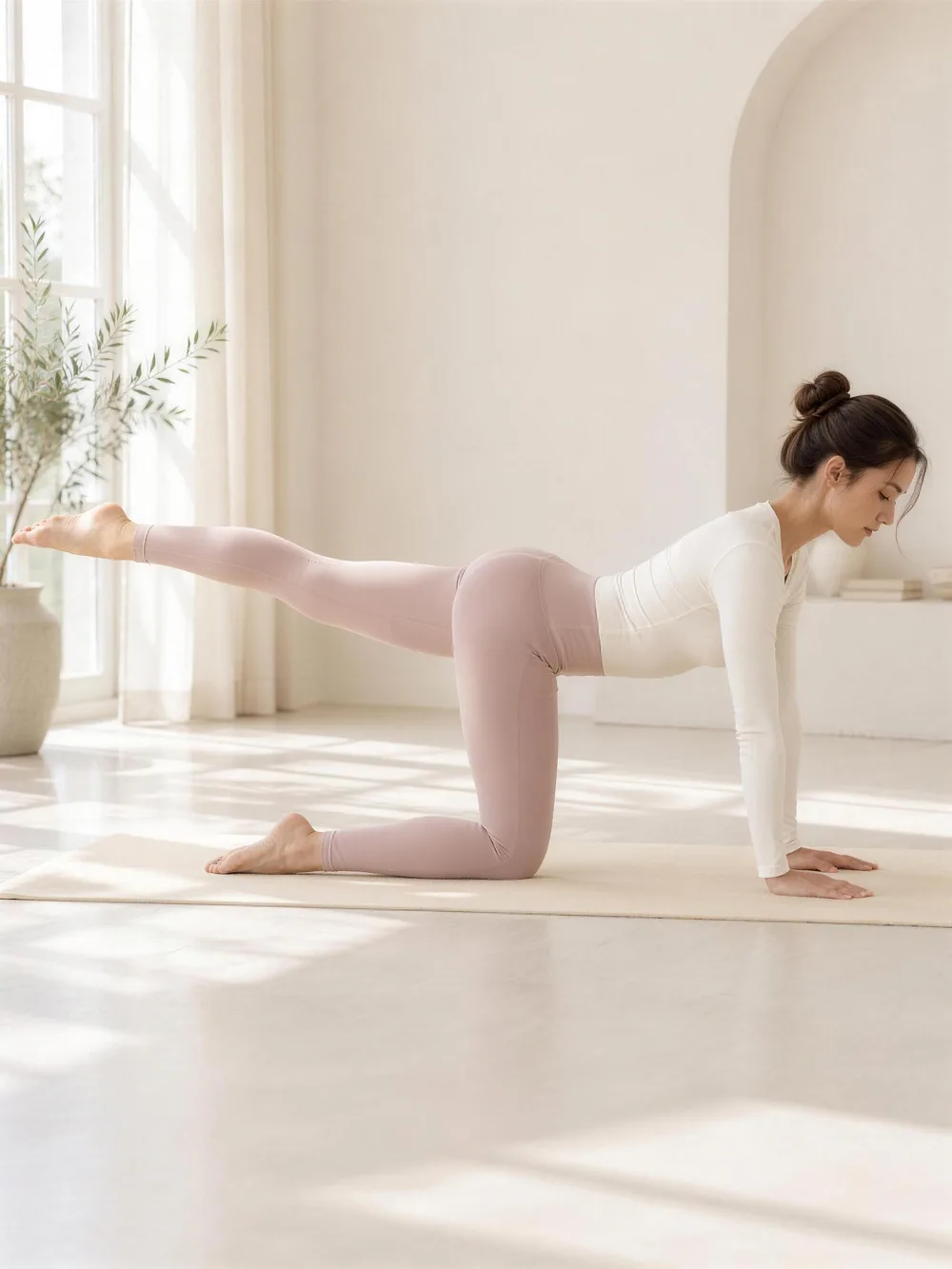
Pilates was developed by Joseph Pilates in the early 20th century. It focuses on the deep core muscles, controlled movement and precise breathing. Most exercises are done lying, kneeling or seated, with slow, deliberate movements rather than jumping or heavy lifting.
What does research say about Pilates for women?
A 2026 systematic review and meta-analysis of 12 studies with about 540 adult women found that structured Pilates programs significantly improved body mass index, body weight (by about 4 kg on average) and sit-and-reach flexibility. There were no significant pooled effects on body fat percentage, waist size, lean mass or grip strength, although individual studies suggested benefits for strength, endurance, balance and breathing. The authors concluded Pilates appears safe and effective for improving flexibility and some body composition measures, while noting the studies varied in quality.
Mat vs reformer vs wall Pilates
| Type | What it is | Good for |
|---|---|---|
| Mat Pilates | Bodyweight exercises on a thick mat | Beginners, home practice, low cost |
| Reformer Pilates | A sliding carriage with springs for resistance | Adjustable resistance, support for beginners, a full-body workout |
| Wall Pilates | Mat exercises using a wall for support | Home workouts, balance and alignment |
| Clinical Pilates | Led by a physical therapist | Rehabilitation and specific conditions |
Reformer classes cost more; mat Pilates is easy to start at home.
Benefits of Pilates
- Flexibility: one of the clearest benefits in the research.
- Core strength and posture: the focus of nearly every exercise; see deep core exercises.
- Low impact: gentle on joints, a good complement to running or walking.
- Body awareness and balance through slow, controlled movement.
- Stress relief from focused breathing.
How often should you do Pilates?
Two to three sessions a week is a good goal for most people. The CDC recommends adults do muscle-strengthening activity on at least two days a week, plus 150 minutes of moderate aerobic activity; Pilates can count toward strength days, and walking or zone 2 cardio covers the aerobic part. Adding heavier strength training also helps bones and muscle, especially from midlife.
A simple beginner plan
- Weeks 1 to 2: two beginner mat or reformer classes a week to learn the basics.
- Weeks 3 to 4: add a short home session using a mat or the wall.
- Month 2: three sessions a week; try a mixed-level class.
- Ongoing: combine Pilates with walking and strength training.
What to wear to Pilates
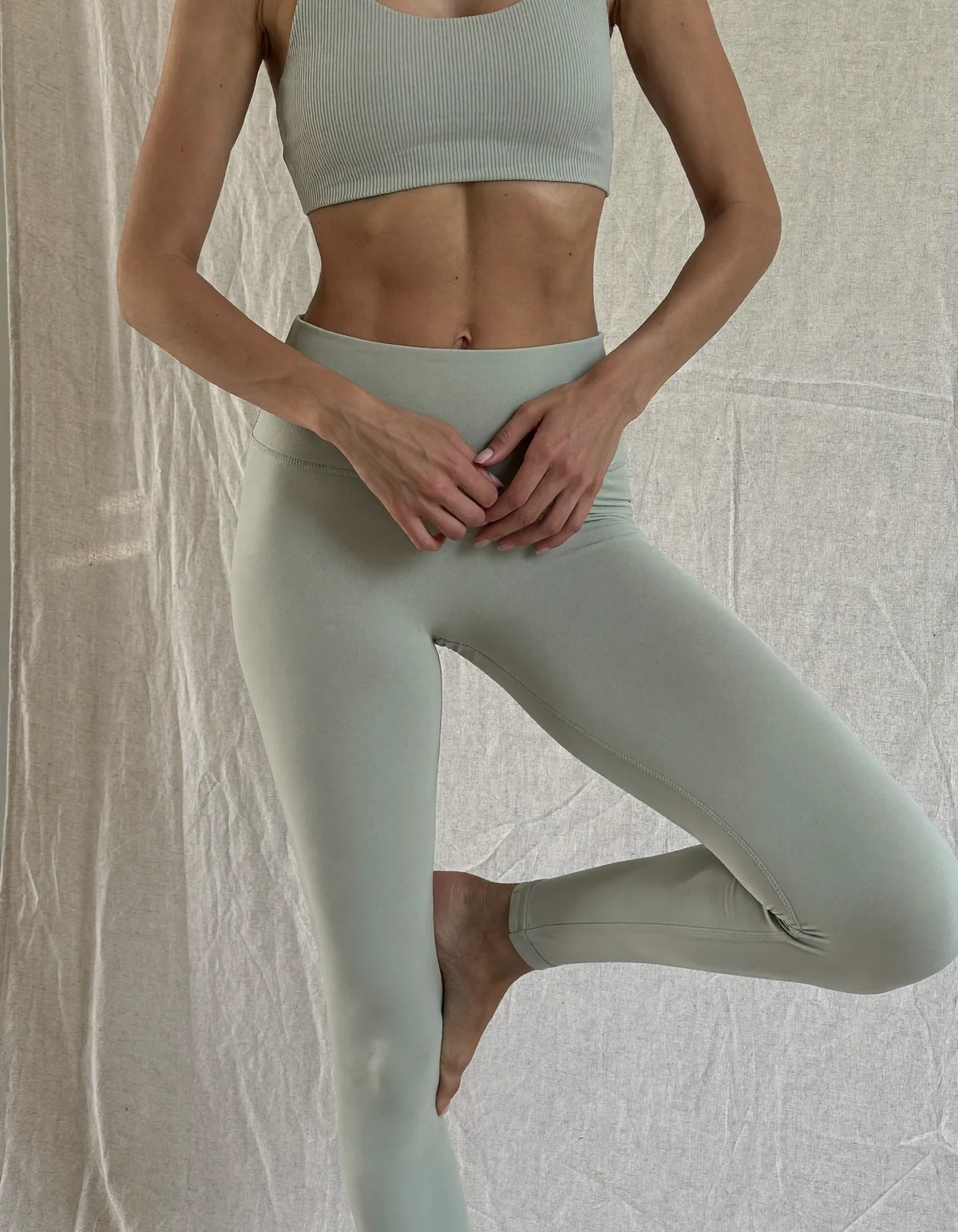
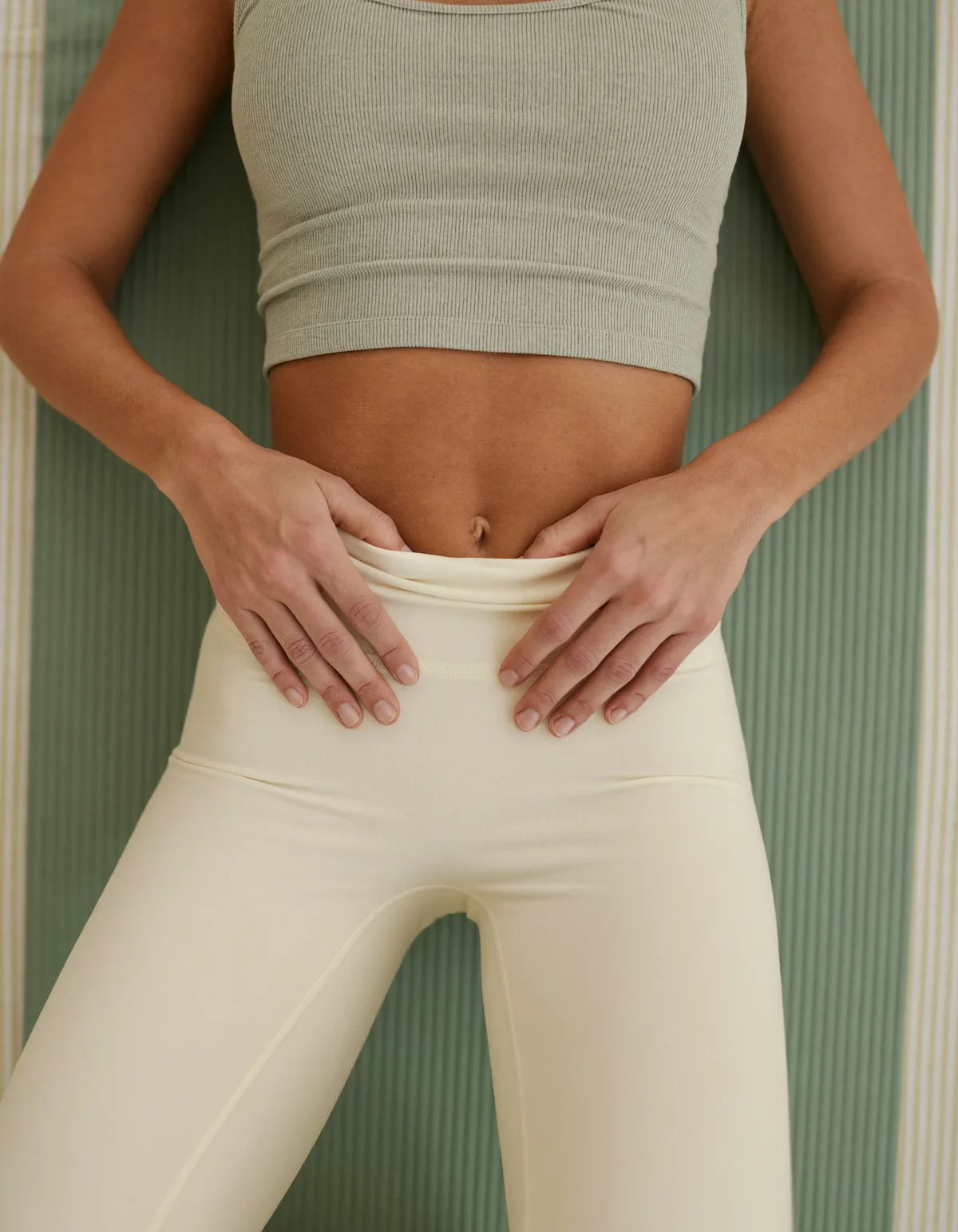
- Fitted leggings and a fitted top, so the instructor can see your alignment and nothing rides up.
- Grip socks for reformer classes and hygiene; see Pilates socks.
- A supportive but comfortable sports bra.
- Hair tied back and minimal jewelry.
Pilates for women's health
- Pregnancy and postpartum: many women find adapted Pilates helpful; get medical clearance and a qualified instructor.
- Midlife: Pilates supports core strength and balance during perimenopause; pair it with weight-bearing exercise for bone health.
- Back pain: clinical Pilates with a physical therapist is often used; ask first.
Common beginner mistakes
- Holding your breath: breathe steadily through each movement.
- Rushing: slow, controlled reps work the muscles more.
- Arching the lower back during core work; ask the instructor to check your position.
- Going too heavy on the reformer springs too soon.
Pilates at home
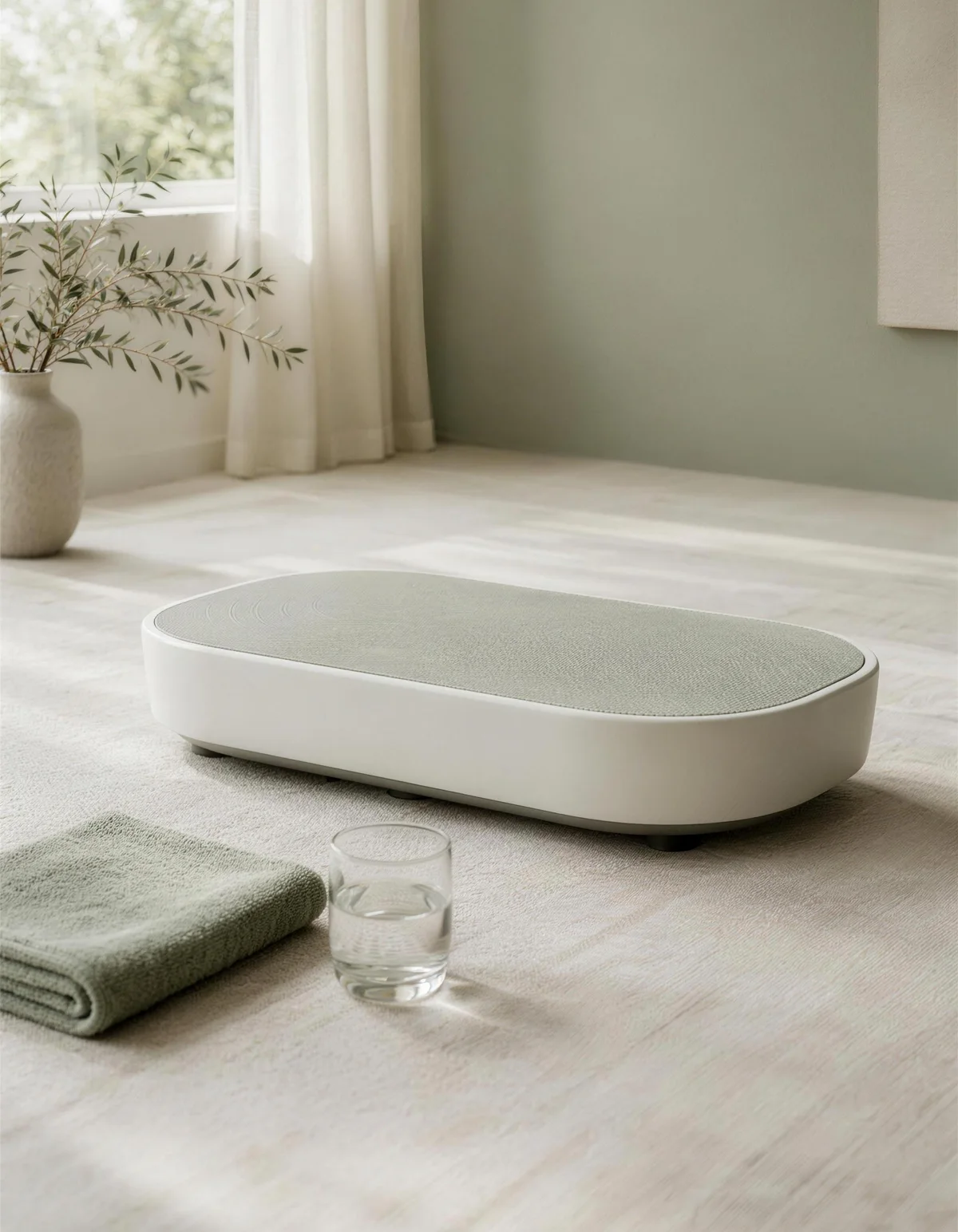
All you need is a thick mat and a little floor space. A small ball, resistance band or light ankle weights add variety. Our guides to standing core exercises and vibration plates offer more home options, and weighted vests add load to walks on non-Pilates days.
Questions people ask about this
What are the benefits of Pilates?
Better flexibility, core strength, posture and body awareness. A 2026 meta-analysis in women also found improvements in BMI and body weight.
Is reformer Pilates better than mat Pilates?
Neither is better for everyone. Reformer adds adjustable spring resistance and support; mat Pilates is cheaper and easy to do at home.
How often should you do Pilates to see results?
Two to three sessions a week is a good goal. Combine it with walking and strength training for overall fitness.
Can Pilates help you lose weight?
In a 2026 meta-analysis of studies in women, Pilates programs reduced body weight by about 4 kg on average. Diet and other activity matter too.
Is Pilates good for beginners?
Yes. It is low impact and scalable. Start with beginner mat or reformer classes to learn the basics.
What should I wear to Pilates?
Fitted leggings and a fitted top, a supportive sports bra, and grip socks for reformer classes.